


Commercial aviation safety rules were put on full display during a busy travel stretch after Delta pilots cite fatigue across three flights over a span of just over four hours on Monday, November 23, 2026. According to aviation reporting, three separate Delta Air Lines first officers operating Airbus narrowbody aircraft declared themselves unfit to fly due to fatigue across major hubs in Atlanta and Minneapolis, prompting crew swaps and a departure delay. While three fatigue declarations in one afternoon stands out, safety specialists point out that federal rules and airline fatigue systems exist specifically to catch exhaustion before it ever reaches the cockpit on a tough leg.
Which Flights Were Affected and How Fatigue Rules Work
The sequence unfolded across domestic routes during a high-pressure travel period and highlighted how airlines manage crew readiness. The first officer on Flight DL1137 (Airbus A320) declared fatigue right after landing at Hartsfield-Jackson Atlanta International Airport at 3:40 p.m. EST, stepping off subsequent duties; the first officer on Flight DL1241 (Airbus A320) called in fatigued before departure in Atlanta, leading to a 4:10 p.m. EST departure delay while schedulers brought in a reserve pilot; and the first officer on Flight DL2654 (Airbus A321) declared fatigue upon arrival at Minneapolis-Saint Paul International Airport at 7:05 p.m. CST.
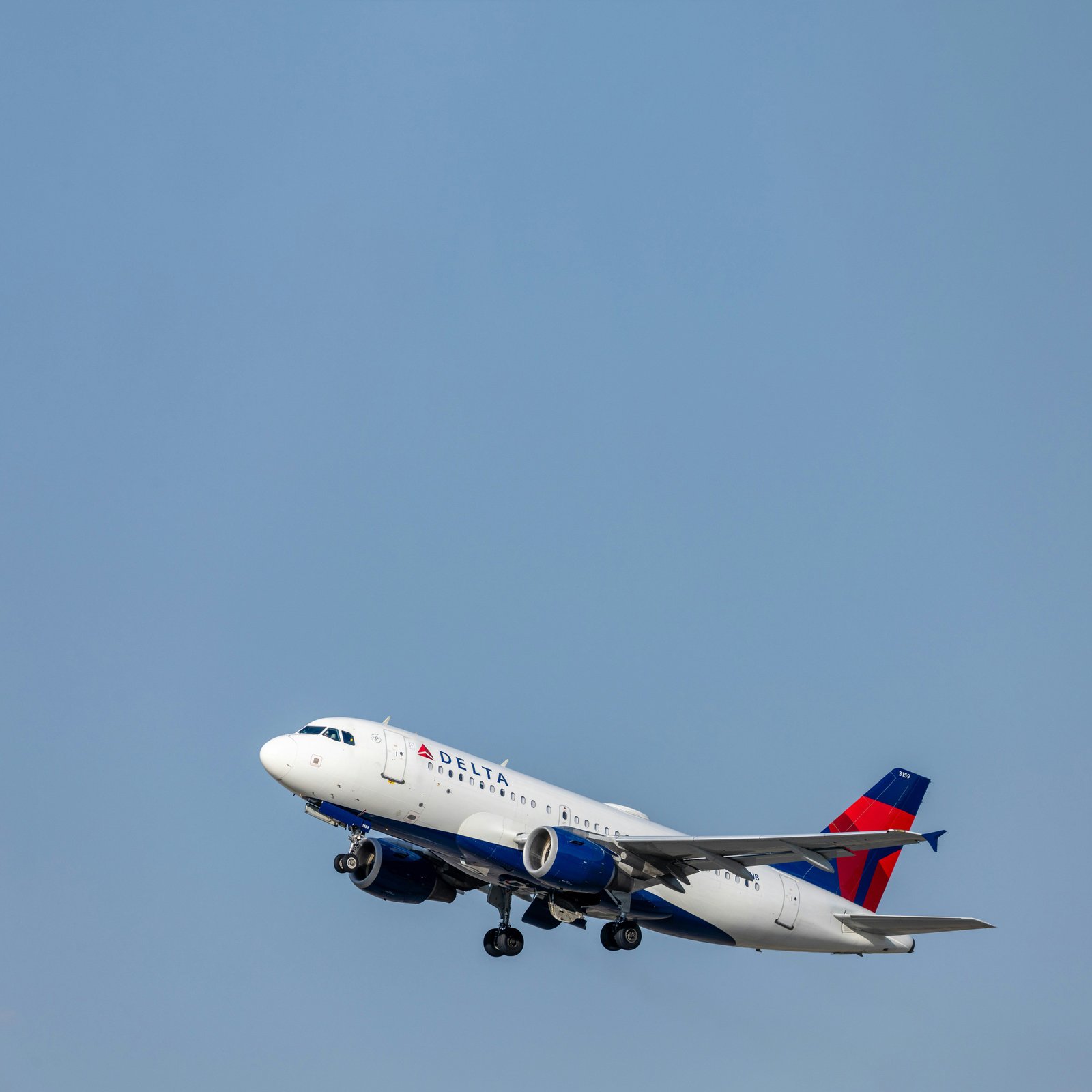
Under Federal Aviation Administration (FAA) rules in 14 CFR Part 117, pilots are legally barred from flying when fatigued even if they have not hit maximum flight or duty hour limits, giving crew members unilateral authority to pull themselves off a flight without punishment.
Through Fatigue Risk Management Systems (FRMS) and union agreements with the Air Line Pilots Association (ALPA), pilots log confidential fatigue reports on factors like body-clock strain, travel delays, or rest quality so safety committees can spot grueling schedules and adjust pairings.
My View
When you are sitting on a plane or in an airport terminal, a delayed flight is annoying, yet a tired pilot in the left or right seat is a real danger nobody wants to risk.
Whether someone is piloting a 150-passenger jet across the U.S. or driving a long-haul bus or commercial truck along a busy highway back home, exhaustion dulls judgment and slows reaction time fast. Airlines and transport operators that back up workers who speak up about fatigue, without punishing them or making them feel weak, protect passengers and crews alike.
Good safety culture means letting professionals step back when they are running on empty, calling in backup, and putting human alertness ahead of tight timetables every single time.