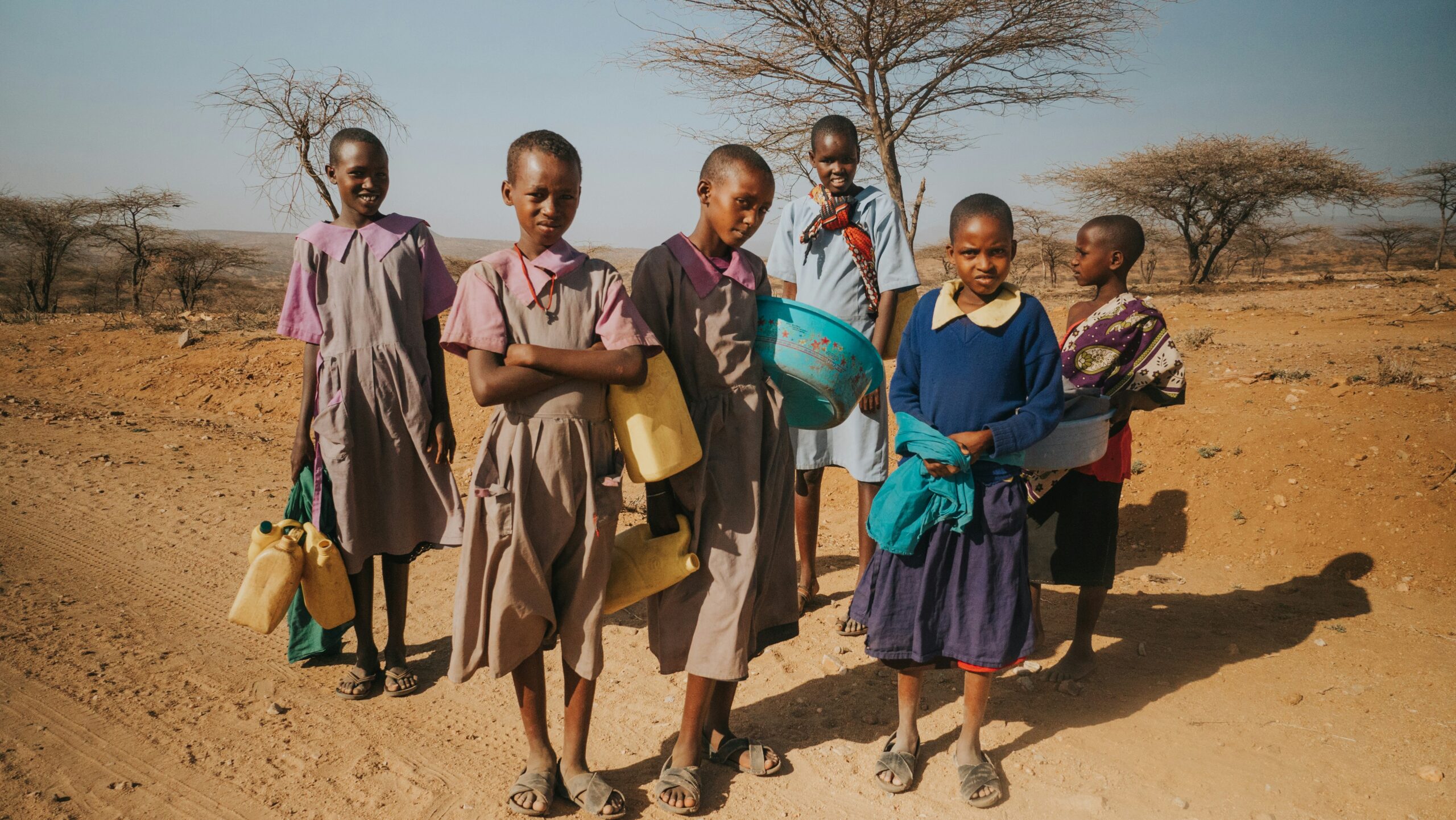
Kenyan citizen, Lotkoy Ebey, once had 50 goats. Now she has five.
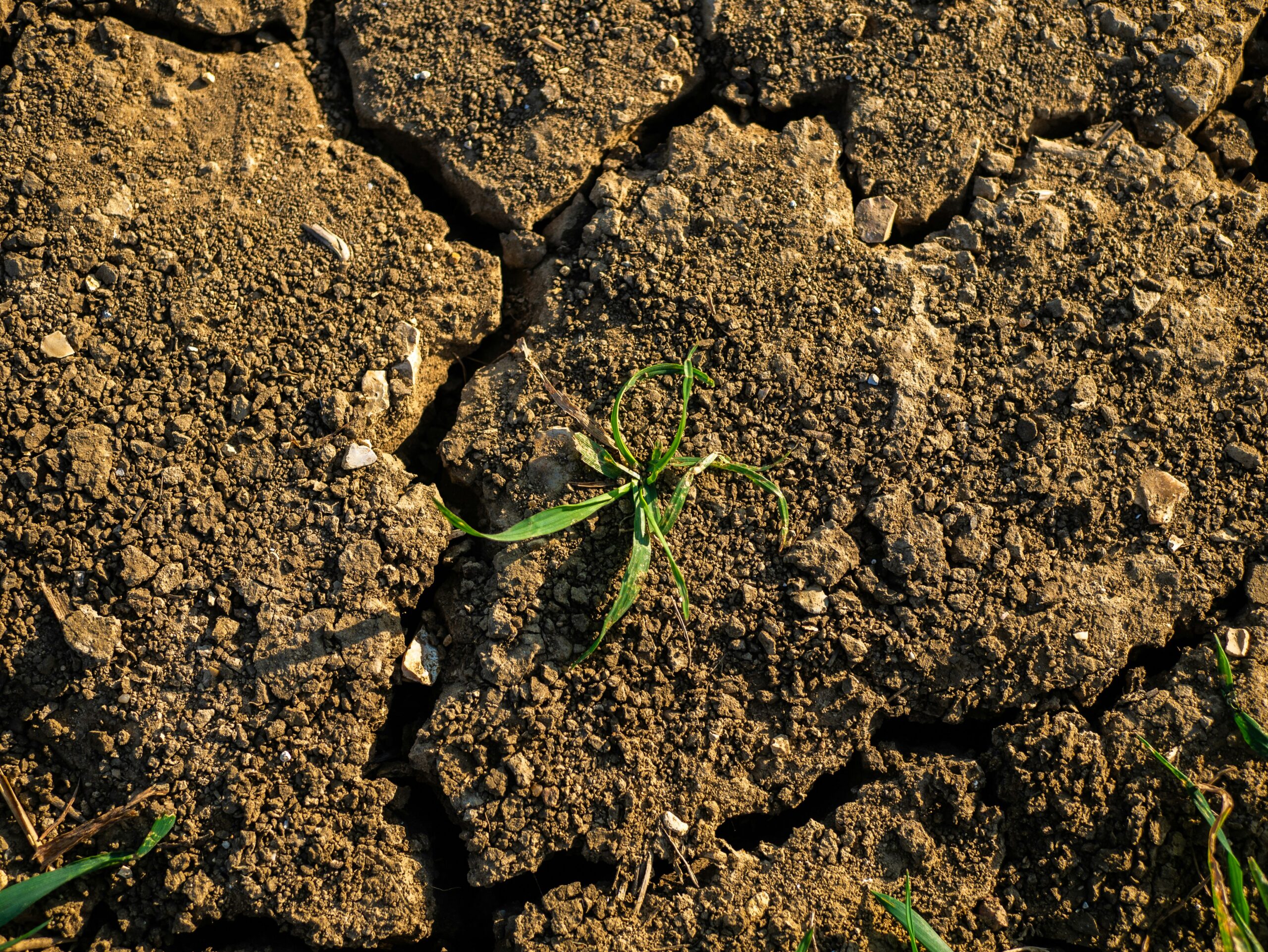
She watched the rest die as pasture dried up across northwestern Kenya, where six consecutive rainy seasons have failed. In her Turkana culture, livestock are not just wealth—they are life itself. The depletion of her herd is a disaster from which recovery may be impossible.
Now, Ebey, in her early 50s, survives on one meal a day—if that. Sometimes she goes five days without eating a proper meal. When that happens, she walks into the scrubland in search of the only food left: the fruit of the doum palm, known locally as the gingerbread tree.
“I don’t know who brought this hunger. It’s too severe,” says Regina Ewute Lokopuu, pounding the hard, lumpy fruits under a tree in Kakwanyang village. “We eat these because of hunger.”
The Fruit That Tastes Like Christmas
The fruit tastes like gingerbread and can quickly fill an empty stomach. But it comes with a warning: too much causes drowsiness and severe stomach upset. On rare days when families earn money selling brooms made from doum leaves, they buy maize flour to mix with the fruit sauce, hoping to dilute its strength.
Finding the fruits is a struggle. Hungry villagers sometimes walk more than three hours into the wilderness before locating the trees. In better times, these fruits were snacks for young boys roaming with their goats. Now they are a lifeline.
Lokopuu shares what she finds with the one goat she has left. She used to have 20.
The Scale of the Crisis
The drought has devastated a vast stretch of East Africa. According to Oxfam, 26 million people are “facing extreme hunger” across Kenya, Ethiopia, and Somalia. In Turkana County alone, more than 320,000 people are in “urgent need of food assistance,” says Jacob Letosiro from the county’s drought management team.
Across Kenya, three million people are affected.
The recent rains that have fallen in some parts of the country have brought flash floods—but not relief. Letosiro cautions that the rainfall is off-season, unpredictable, and insufficient to offset two failed rainy seasons. Some parts of Turkana received little to no.
“They may not have an immediate impact for livestock or improve water availability. So it’s not something worth celebrating at this point,” he says.
‘Help, Help, Help Us’
In Latimani village, about five kilometers away, Kerio Ilikol has gone three days without eating. The last food she had came from a neighbor—not enough to stretch beyond a single meal.
When journalists arrive, a neighbor rushes over to share her own struggle.
“Help, help, help us now that you’ve come to visit us,” shouts Akale Helen. “We don’t have food, we are very hungry, and even goats don’t have food.”
Men are scarce in the villages. The situation has forced those who can to leave their homes in search of greener grazing areas—sometimes crossing borders—for what remains of their herds.
What Happened to the Aid?
In previous lean seasons, humanitarian organizations occasionally brought food assistance. Families survived on those distributions. But lately, that help has not come.
It is unclear why. Officials at the Kenya Red Cross in Turkana say the need for food assistance is far greater than available resources.
“We have only little food, which cannot reach all people in need,” says Rukia Abubakar, the Turkana coordinator for the Kenya Red Cross. “That’s why we are asking partners and well-wishers to come and support the people.”
The Red Cross, World Vision Kenya, and the UN’s World Food Programme are providing what they can. The Kenyan government has announced plans to distribute food and livestock feed in drought-affected counties. But humanitarian officials warn that the scale of the crisis remains enormous.
A Long Walk for a Meal
For Ebey, help cannot come soon enough. Her mother, she says, last ate a small lunch the previous day. Since then, nothing.
Ebey is appealing to both county and national authorities to intervene. But as she waits, she will do what she has always done: walk into the scrubland, search for the gingerbread trees, and hope the fruit she finds is enough to keep her family alive for one more day.
In Kakwanyang, the scent of gingerbread fills the air. It means someone is still eating. It means someone is still alive.