The Justice Department has filed lawsuits against four states over laws that allow noncitizen residents to vote in state and local elections, according to ABC News.
The DOJ argues that these state laws conflict with federal voter eligibility standards, which restrict voting to U.S. citizens. The legal action targets states that have expanded voting rights to noncitizens in local elections, a practice that has become increasingly common in recent years.
The States and Their Laws
The lawsuits were filed against states that have passed measures allowing noncitizens to vote in municipal elections. Proponents of these laws argue that noncitizens contribute to their communities through taxes and local engagement and should have a say in local governance.
The DOJ contends that these laws violate federal statutes governing voter eligibility, setting the stage for a significant legal battle over states’ rights versus federal authority in election administration.
Legal Arguments
The Justice Department’s case rests on federal law, which generally reserves voting rights for U.S. citizens. The agency argues that allowing noncitizens to vote undermines the integrity of the electoral system and the principle that citizenship is the foundation of voting rights.
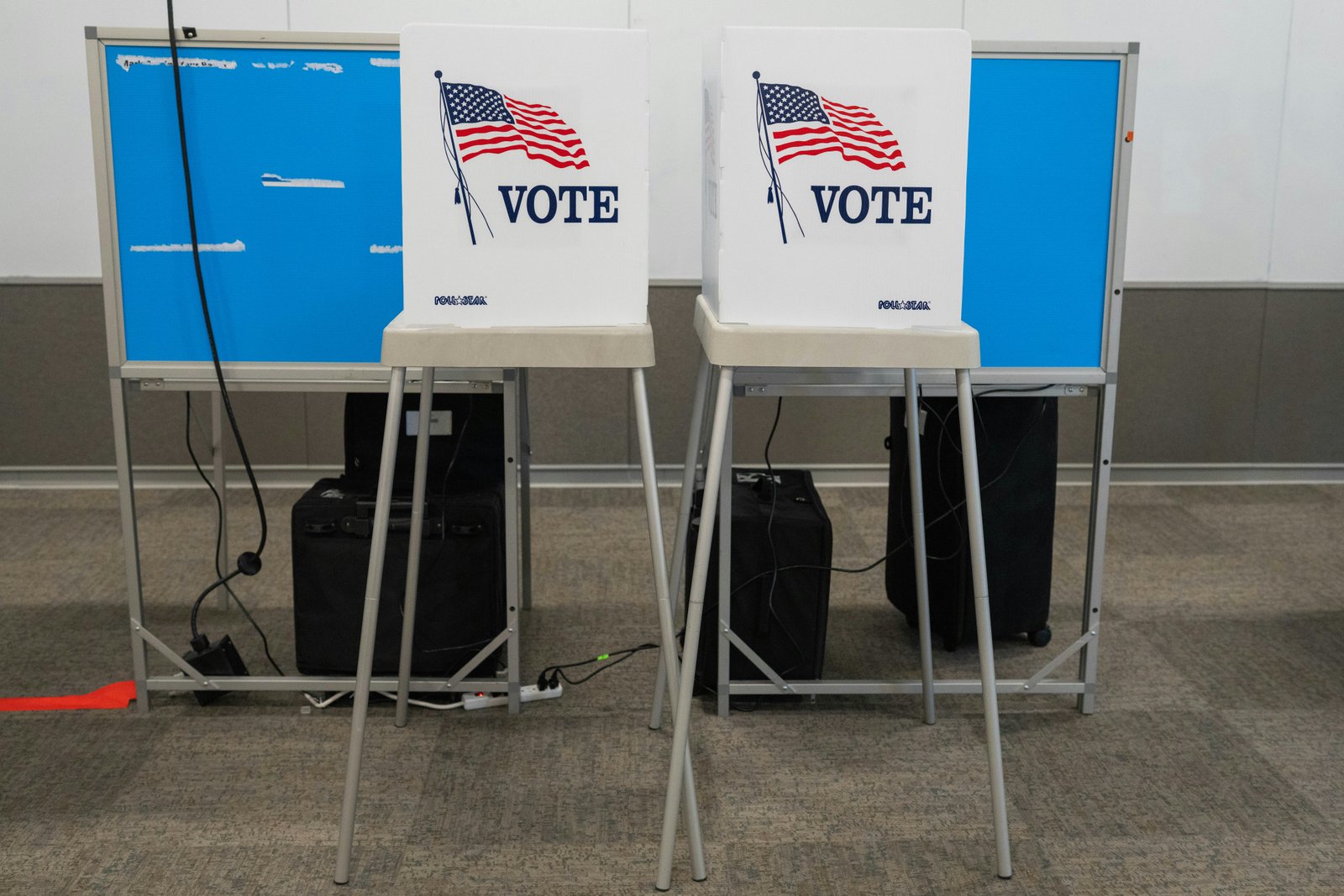
Lawyers for the affected states, however, argue that the U.S. Constitution gives states the authority to determine voter qualifications for state and local elections. They contend that the federal government is overstepping its bounds.
The Political Context
The lawsuits come as the Trump administration continues to prioritize immigration enforcement and election integrity. The move is part of a broader effort to crack down on what the administration views as efforts to dilute the voting power of American citizens.
This legal battle could have significant implications for other states considering similar measures to expand voting rights to noncitizens.
The Bottom Line
The Justice Department has sued four states over laws allowing noncitizens to vote in state and local elections. The DOJ argues that these laws violate federal standards limiting voting to U.S. citizens. The lawsuits are part of a broader push by the Trump administration to enforce federal voter eligibility laws. The affected states are expected to challenge the lawsuits on the grounds that states have the authority to determine voter qualifications. The legal battle could have significant implications for voting rights nationwide.