
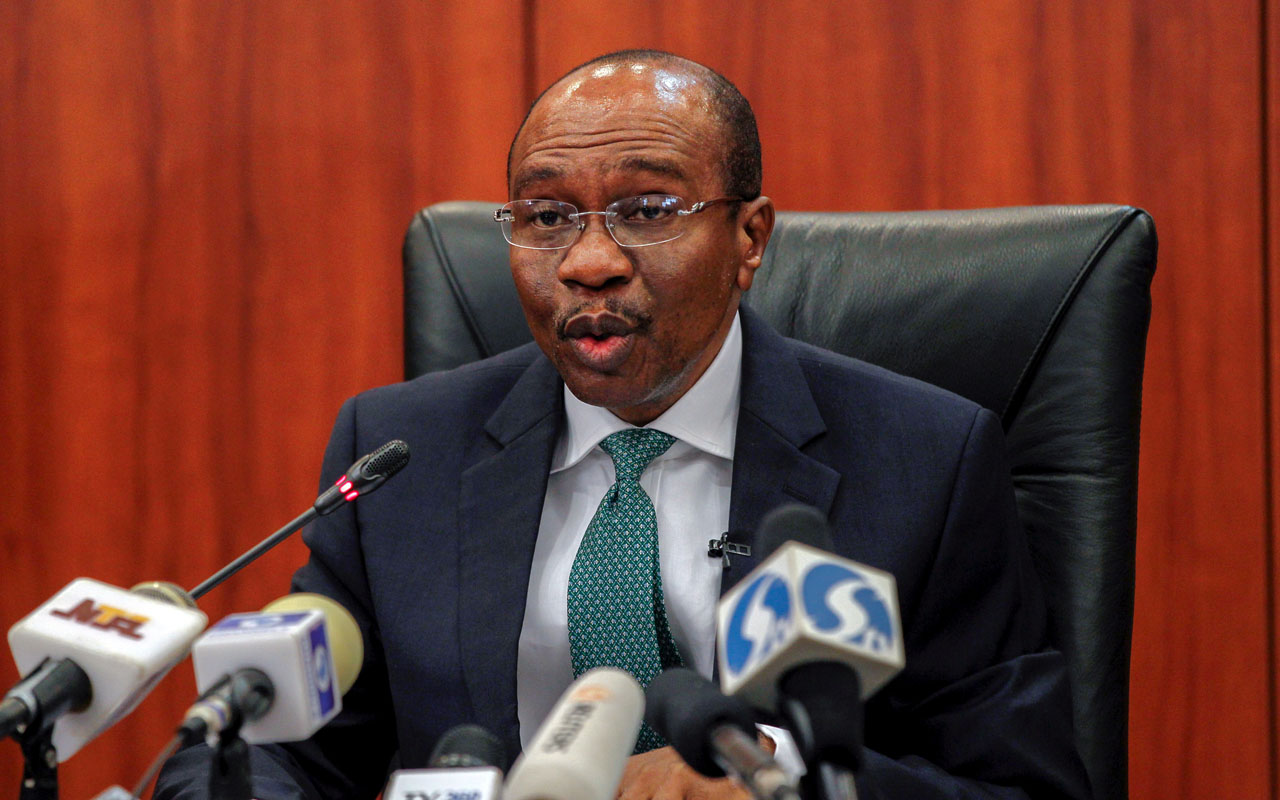
In a decisive move to end a legal saga that has gripped Nigeria for two years, the High Court of the Federal Capital Territory has set a 10-day trial schedule to conclude the corruption case against former Central Bank Governor Godwin Emefiele, centering on his controversial and economically disruptive naira redesign policy.
Justice Maryann Anenih issued the order after a consensus between the prosecution and defense, fixing hearing dates spread across February, April, May, and June 2026. The directive marks a final push to resolve charges filed by the Economic and Financial Crimes Commission (EFCC), which alleges Emefiele’s handling of the 2022 currency overhaul caused national injury and violated the law.
The trial, which began in 2024, will now race toward its conclusion, with Justice Anenih charging both legal teams to “keep faith with the appointed dates.”
A Surprising Admission and Presidential Approval Granted
The new timeline was set after a pivotal day in court where an EFCC investigator, Emere Chinedu, dropped a significant revelation. Under oath, Chinedu confirmed that the presidency of Muhammadu Buhari granted written approval for the naira redesign, a key point in Emefiele’s defense.
However, the witness delivered a crucial caveat that forms the heart of the prosecution’s case: the presidential approval came with the explicit “proviso that it must be done locally.” The EFCC alleges Emefiele violated this condition by having the new notes printed outside Nigeria.
The Human Cost: “Hardship” Entered as Evidence
The prosecution presented video evidence downloaded from Nigerian television stations showing citizens describing the severe economic “hardship” caused by the botched policy rollout, which led to a crippling cash shortage.
When pressed by Emefiele’s defense, the EFCC witness declined to address a separate, explosive claim from one of Emefiele’s statements: that disgraced former EFCC chairman Abdulrasheed Bawa was the first to suggest the naira redesign to President Buhari. The witness countered that the anti-graft agency only has “advisory” power on such matters.
With the former central bank chief maintaining his not-guilty plea, the stage is now set for a final, intense legal confrontation. The next hearing on February 3rd will see the cross-examination of the EFCC witness continue as Nigeria watches to see if these ten days will indeed spell the end for one of its most powerful former financial chiefs.