European aerospace giant Airbus has eased its controversial return-to-office plans after a series of coordinated employee strikes and protests across Spain, France, and the UK. Chief Executive Guillaume Faury had attempted to require white-collar staff to work from physical offices four days a week starting in September.
However, widespread disagreement from staff who demanded to keep their existing hybrid working options forced company leadership to revise its strategy. Under the revised guidance, management confirmed that employees can continue working from home an average of two days a week.
Protests and Strikes Sabotage Airbus Return-To-Office Plans
The decision to scale back the Airbus return-to-office plans comes after weeks of escalating tension between executive leadership and labor unions. Discontent was sharpest in Spain, where nearly 40% of the company’s 14,000 local employees participated in rolling strikes. Workers walked off the job to protest forced office attendance alongside issues involving salaries, paid leave, and transportation options.
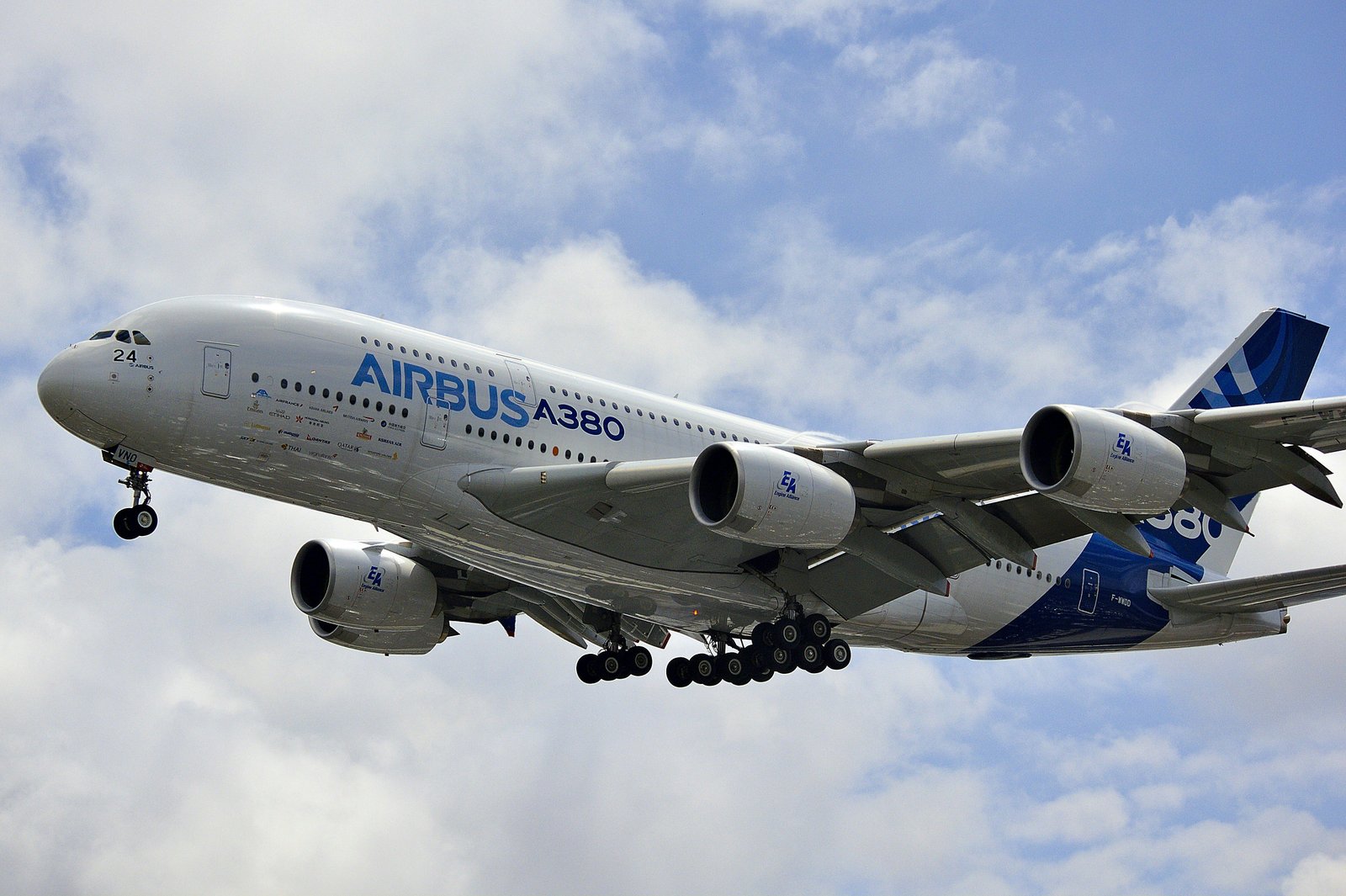
Sporadic walkouts and organized demonstrations also took place in France and the United Kingdom. French trade unions argued that the proposed four-day in-person mandate directly violated existing collective labor agreements set to run through 2028. Facing potential widespread disruptions to administrative operations ahead of the autumn deadline, Airbus executives notified managers to halt the mandatory reduction in remote work days.
Executive Mandates Clash With Workforce Demands
CEO Guillaume Faury launched the initiative in June with a company-wide memo, arguing that physical presence was essential to handle record aircraft orders, integrate thousands of newly hired staff, and speed up decision-making. Faury stated that while remote arrangements were necessary during the pandemic, face-to-face collaboration was required to sustain production goals.
Labor representatives pushed back against that narrative. Unions pointed out that aerospace companies are competing for software engineers, designers, and technical experts who view flexible work as a mandatory job benefit. Furthermore, reports confirmed that aircraft manufacturing lines remained unaffected during the protest period, undermining executive claims that home working was damaging company output.
An official Airbus spokesperson confirmed the adjustment in policy, stating that while the long-term goal of increasing on-site presence remains, effective change requires listening to employee feedback and transitioning more gradually.
Opinion
Executive attempts to enforce blanket return-to-office orders are increasingly out of touch with how white-collar engineering and corporate work actually functions. Watching an executive leadership team attempt to pull back established flexible working rights, only to be halted by organized labor, exposes a disconnect at the top.
Management often frames physical office attendance as a solution for collaboration, productivity, and skill sharing. In reality, forcing skilled engineers and administrative professionals to sit in an office building four days a week just to sit on video calls or do solitary computer tasks is archaic. When roughly a third of a company’s workforce has been hired under flexible conditions, stripping those perks away is also a breach of trust.
The pushback at Airbus shows that workers are no longer willing to trade away their work-life balance for corporate lies. Aerospace manufacturers operate in a hyper-competitive market for technical talent. If management treats hybrid flexibility as a privilege to be revoked at will rather than an essential modern working condition, top-tier engineers will simply take their expertise to technology sectors that respect their autonomy. Striking a balance through negotiated hybrid models is the only realistic path forward.
Bottom Line
The collapse of the initial Airbus return-to-office plans serves as a warning to major corporations attempting to reverse flexible work arrangements. By listening to workforce feedback and preserving hybrid options, Airbus avoids further labor disruption while maintaining its primary focus on fulfilling commercial delivery targets.Employee Strikes Force Airbus to Drop Return-To-Office Plans