
EU Freezes Assets of Russia’s Most Brutal Judges is how Europe chose to frame its latest move against individuals accused of human rights violations, as the European Union announced sanctions targeting eight figures linked to Russia’s judicial and penal systems. The decision, confirmed in an official statement from the Council, signals continued pressure on Moscow over what EU officials describe as politically motivated prosecutions and harsh prison conditions.
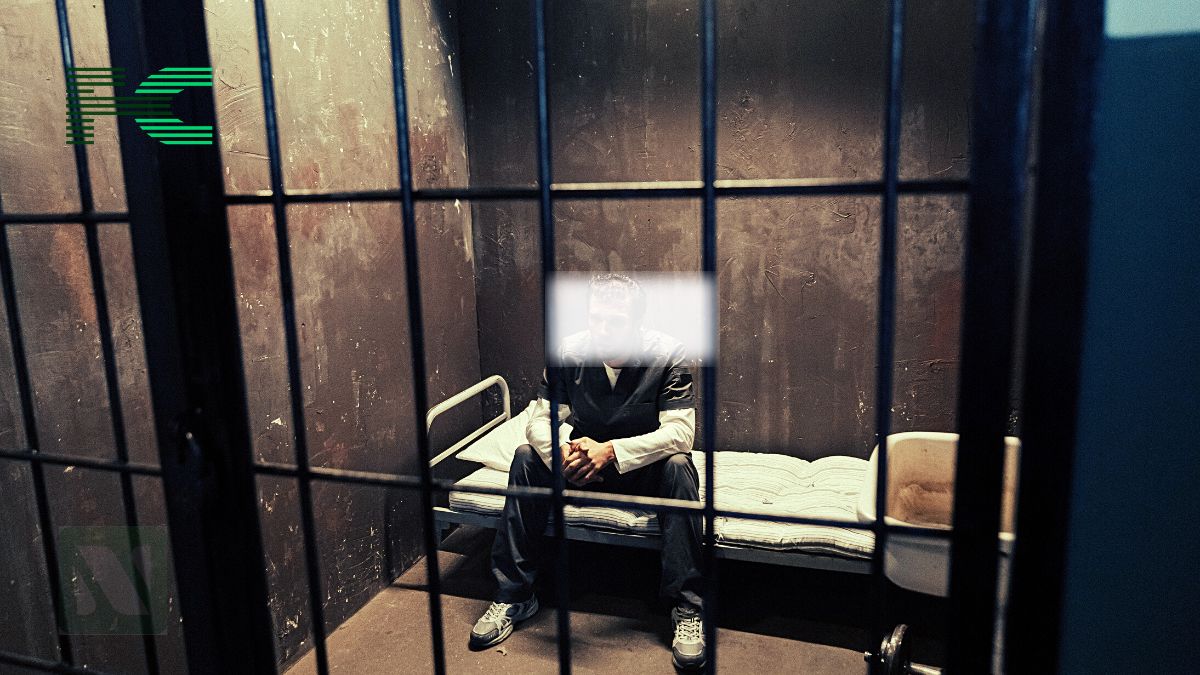
The sanctions focus on members of the judiciary and senior prison officials alleged to have played roles in sentencing prominent activists and overseeing detention facilities criticised for inhuman treatment.
Sanctions Target Judiciary and Prison Officials
According to the EU Council’s statement, the eight sanctioned individuals include judges involved in cases the bloc considers politically driven, as well as administrators of penal institutions.
European authorities said the measures were aimed at those “suspected to be responsible for serious human rights violations and undermining the rule of law in Russia.”
Among those named were Aleksei Vasilyevich Valizer, identified as the head of a penal colony, and Anton Vladimirovisch Rychar, described as the head of a pre-trial detention centre.
What the Sanctions Mean
As part of the restrictions, the sanctioned individuals face travel bans within the European Union. They are prohibited from entering or transiting through EU member states.
In addition, their assets within EU jurisdictions have been frozen. European citizens and companies are also barred from providing funds or economic resources to those listed.
The combination of travel limits and financial penalties reflects the EU’s standard sanctions framework, often used in response to allegations of human rights abuses.
EU’s Position on Human Rights Violations
EU officials said the targeted individuals were connected to the sentencing of prominent Russian activists. The bloc maintains that several high-profile prosecutions in Russia have been politically motivated.
The Council’s statement also referenced conditions in penal colonies where political prisoners were reportedly held in what it described as degrading and inhuman environments.
European leaders have repeatedly criticised Russia’s handling of dissent, arguing that judicial institutions are being used to silence opposition voices.
Broader Political Context
This comes amid ongoing tensions between Brussels and Moscow. Relations have remained strained over issues ranging from human rights concerns to wider geopolitical disputes.
Sanctions have become a central tool in the EU’s foreign policy approach, allowing the bloc to respond without direct military involvement.
While Russian authorities have frequently rejected such accusations and measures, the EU continues to argue that targeted sanctions are necessary to uphold international norms.
A Continuing Strategy
For European policymakers, the EU Freezes Assets of Russia’s Most Brutal Judges represents another step in a broader campaign aimed at holding individuals accountable rather than imposing blanket penalties.
The latest action explains the EU’s emphasis on legal and financial instruments in addressing disputes tied to governance and human rights.
As tensions persist, further measures remain possible, with Brussels signalling that scrutiny of judicial and prison practices in Russia is unlikely to ease.