

As talk grows in Washington about using tariffs to force a deal over Greenland, EU leaders are making it clear that such a move would not pass quietly. The message is simple: if the United States turns Greenland into a trade weapon, Europe will hit back, and the result could be a full trade war.
Greenland Turns From Ice to Fire
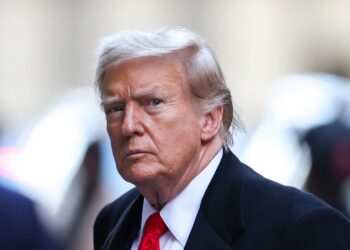
Greenland, long seen as distant and quiet, is now at the center of a growing political storm. President Donald Trump has openly tied trade threats to the United States’ desire to buy the Arctic island. What once sounded like political noise is now being treated seriously in Europe.
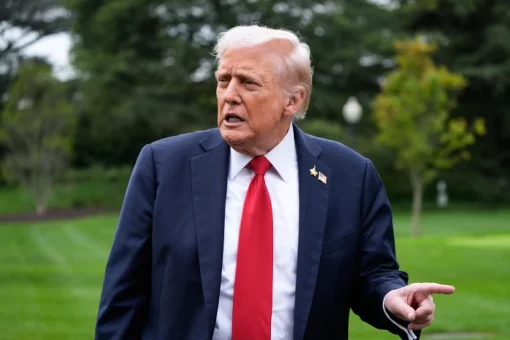
European leaders see this as a dangerous shift. Trade, in their view, should not be used to force political or territorial outcomes, especially between long-time allies.
Europe’s Message: We Will Strike Back
Ireland’s Prime Minister Micheál Martin spoke plainly. If the United States follows through on its tariff threats, Europe will retaliate. He warned that the situation could quickly turn into something much bigger and more damaging for the global economy.
His words carried weight because they were not dramatic or emotional. They were calm, firm, and deliberate. Europe, he said, has no choice but to respond if attacked economically.
Why the Trade War Talk Matters
A trade war between the U.S. and Europe would shake global markets. These are two of the world’s biggest economic powers. When they clash, smaller countries feel it first and hardest.
Tariffs would raise prices, disrupt supply chains, and hit ordinary people. Farmers, manufacturers, and consumers would all pay more. Jobs could be lost on both sides of the Atlantic.
This is why EU officials are speaking early. They want to stop the fire before it spreads.
The Anti-Coercion Tool Stays on the Table
Europe has a legal weapon called the Anti-Coercion Instrument. It is designed to respond when foreign powers use economic pressure to force political decisions.
For now, Ireland’s leader says it is too early to use it. But he did not rule it out. That matters. It means Europe is preparing options quietly, without noise, but with intent.
The signal to Washington is: pushing harder will not bring silence; it will bring structure and response.
Allies Acting Like Rivals
What makes this situation troubling is not just the threat of tariffs, but who is making them. The United States and Europe are allies. They share military ties, values, and long histories of cooperation.
Using trade pressure over Greenland risks turning allies into rivals. Many in Europe see this as a test of trust. If one side can use tariffs today over Greenland, what stops it from doing the same tomorrow over another issue?
This fear explains the firm tone coming from EU leaders.
Dialogue or Damage
European leaders insist dialogue must happen. They are not closing the door. But dialogue only works when both sides respect limits.
If talks fail and tariffs follow, the damage will not stay contained. It will ripple across markets, politics, and alliances. Europe is saying enough. Not with threats, but with readiness. The next move now lies with Washington.