Tension inside the United States rose briefly last month after law enforcement agencies received a warning about a possible Iranian drone attack, but officials now say the situation may not have been as serious as first believed. The controversy surrounding the FBI Iran Drone Threat Alert began after it was revealed that the security bulletin sent to authorities in California relied on a single unverified report.
The alert, which was circulated through the Los Angeles Joint Regional Intelligence Center, suggested that Iran could attempt retaliation if the United States carried out military strikes.
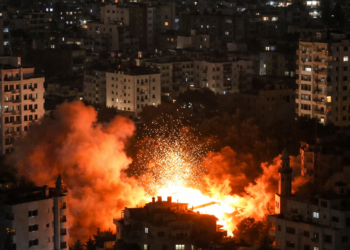
At the time, the warning added to growing fears as the conflict that started on February 28 with U.S. and Israeli bombardments of Iran continued to expand across the region. However, the White House later clarified that the intelligence behind the alert did not come from confirmed sources.

Alert Built on One Unverified Tip
According to White House press secretary Karoline Leavitt, the FBI notice was based on one email sent to local law enforcement in California. The message contained a single tip claiming Iran might try to launch unmanned aerial vehicles from a sea vessel toward targets in the state if the United States attacked Iranian territory.
The alert stated that Tehran allegedly wanted to carry out a surprise drone strike in response to possible U.S. military action. Because the information was shared through official channels, it was treated seriously by security agencies even though the source had not been verified.
Leavitt later said clearly that no confirmed threat ever existed. She wrote that there had never been any real indication that Iran planned to strike the U.S. homeland, adding that the alert was sent out of caution rather than proof.
War Fears Made the Warning More Sensitive
The timing of the alert made the situation more tense. The United States and Israel had already launched major airstrikes on Iran, and the possibility of retaliation was being discussed widely. With military activity increasing in the Middle East, even a small piece of intelligence could quickly cause concern among security officials.
Iran has responded to the conflict with attacks in the region, affecting oil markets, transport routes, and military positions, but there has been no confirmed attempt to strike inside the United States.
Security agencies often issue alerts based on limited information to avoid being caught unprepared. Still, critics say warnings built on weak intelligence can create unnecessary fear and confusion, especially when the public later learns the threat was never confirmed.
Trump Dismisses Risk of Attack on U.S. Soil
President Donald Trump also played down the idea that Iran could carry out an attack inside the United States. When asked whether he was worried about retaliation reaching American territory, he told reporters he was not concerned.
His response reflected the belief among some officials that Iran’s military actions are more likely to stay within the Middle East rather than target the U.S. directly. Iran has missile and drone capabilities, but striking the American mainland would be far more difficult and risky than responding in the region.
Was America Misled? has become a subject of debate. Some see the alert as a normal security precaution, while others believe it shows how easily fear can spread when tensions are high.
Questions Over Intelligence and Public Trust
In this case, the alert reached local authorities before the tip could be fully checked. Once the details became public, officials moved quickly to explain that the threat was never confirmed.
For now, the warning serves as a reminder that during periods of war, even a single report can influence decisions, raise alarms, and shape how the public understands the risk.