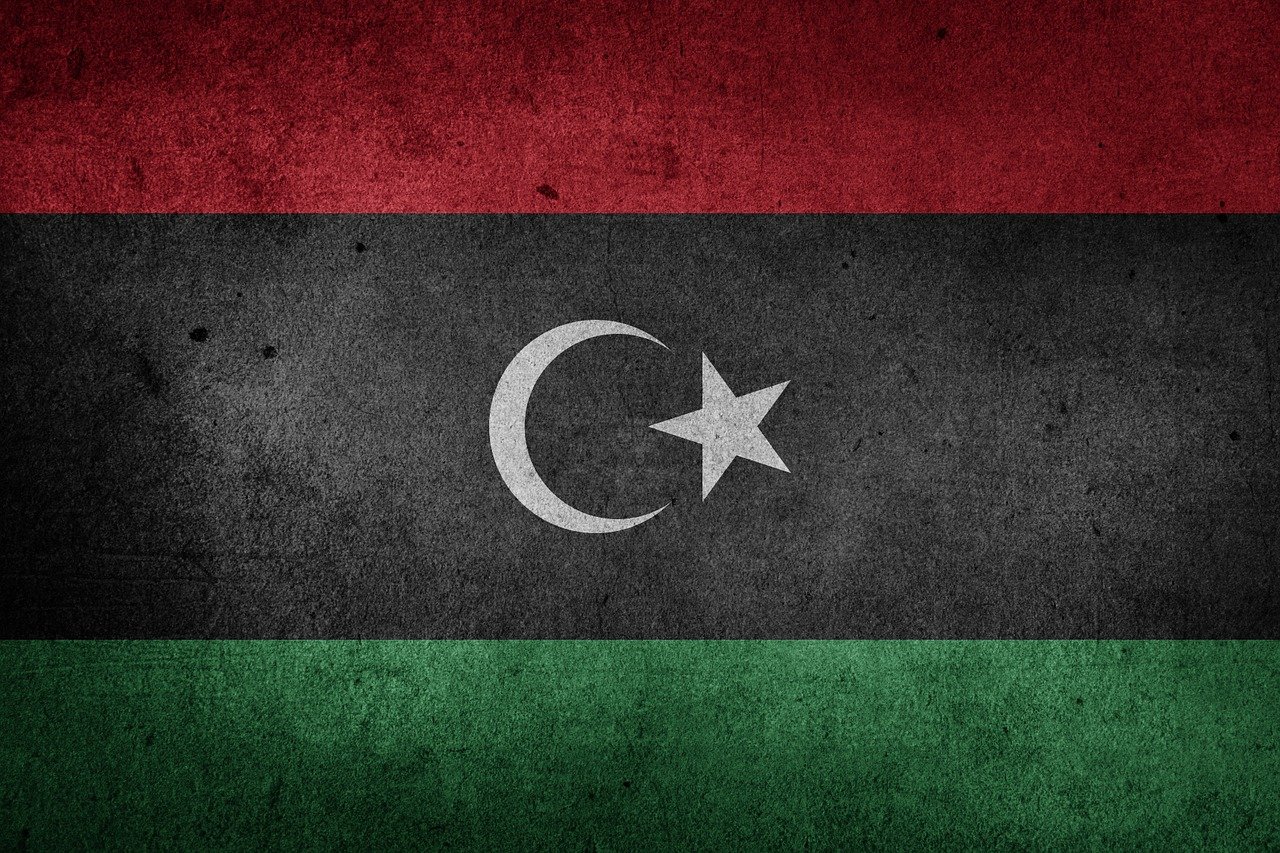

Libya’s political landscape remains deeply divided between rival factions in the east and west of the country, contributing to ongoing instability. The roots of this conflict trace back to the 2011 uprising that toppled longtime dictator Muammar Gaddafi. Since then, Libya has been torn between two main governments, each vying for legitimacy and control. Despite a ceasefire agreement in 2020 that ended years of civil unrest, tensions between these factions have persisted, threatening a return to large-scale conflict.
The Struggle for Power
Since the 2020 ceasefire, Libya experienced a relative calm, but the underlying struggle for power never truly ceased. Recently, the situation escalated when the western faction attempted to oust veteran Central Bank of Libya (CBL) governor Sadiq al-Kabir and replace him with a rival board. This move led to a political standoff, with eastern factions responding by shutting down oil production. Both sides appear unwilling to back down, raising the stakes in the ongoing power struggle.
The Role of Sadiq al-Kabir
Sadiq al-Kabir has been a key figure in Libya’s post-Gaddafi era, serving as the governor of the Central Bank of Libya since the 2011 NATO-backed uprising. His role has made him a central player in the power struggles between various warlords and politicians. Despite the state facing critical challenges due to the clash between rival factions, the CBL and the National Oil Corporation (NOC) have remained off-limits, ensuring that some governmental functions continue.
Erosion of Control Over the Oil Sector
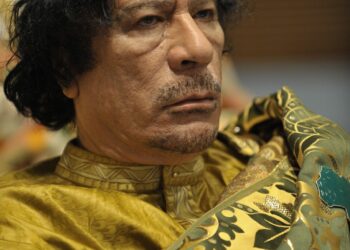
Libyan law, supported by international agreements, stipulates that oil can only be sold by the NOC, with revenues channeled into the CBL to fund state salaries and government bodies. However, this principle began to erode in 2022 when Prime Minister Abdulhamid al-Dbeibah installed a new NOC head, seemingly accommodating the western factions.
Escalating Tensions and Economic Consequences
This led to looser controls over the oil sector and increased tensions between Dbeibah and Kabir, particularly over spending and other issues. In the brink of all these, Kabir’s perceived closeness to Khalifa Haftar, the military commander who controls eastern Libya, eventually led to the move to replace him with a more accommodating board for the West.
However, the decision to replace Kabir has placed Libya’s vast financial resources directly into play in the conflict, leaving neither sides willing to back down. Kabir, who traveled abroad as the crisis unfolded, has highlighted the increasing pressure on bank staff, including threats and abductions by militias.
Despite these, the west still remains unable to gain control over the bank, and the new board announced by Menfi appears incapable of controlling CBL functions, lacking access to bank codes operated by Kabir. The impasse has resulted in a standstill in state salary payments and banking operations, severely impacting Libya’s economy.
The Oil Blockade and Its Impact
The eastern faction’s oil blockade is gradually starving the CBL of new funds, which also affects the availability of condensate for power plants, potentially leading to long electricity blackouts. The situation is dire for Libyans, who continue to suffer from the repercussions of the conflict. Libya, despite being Africa’s richest country in oil, remains mired in economic challenges due to political instability.
Conclusion: The Risk of Renewed Conflict
The ongoing struggle for control over Libya’s financial and oil resources raises the risk of renewed armed conflict. The ceasefire that ended the last major bout of warfare in 2020 is at risk of unraveling, with both factions seemingly prepared to escalate the situation further. If the power struggle continues, Libya’s economy and international trade could come to a standstill, exacerbating the already miserable conditions for the Libyan population. The country faces a precarious future as it remains unable to lift itself out of its long-standing economic and political challenges.