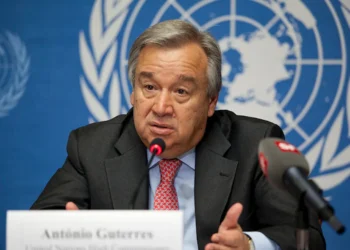


Norway has pledged 4.2 billion Norwegian crowns in military support, while France has guaranteed a loan of roughly 3 billion crowns to Kyiv. These massive sums are aimed at strengthening Ukraine’s defence capabilities, yet ordinary taxpayers are left footing the bill. It raises the question: at what point does backing another country start to strain the people who finance it?
The Scope of the Support
The agreements cover not just cash transfers but also the supply of advanced air-to-ground weapons and surveillance systems from France’s defence industry. Norway and France say these investments will improve Ukraine’s situational awareness and operational capacity in its conflict with Russia. From a military standpoint, this is significant. But for citizens in Oslo and Paris, these are billions in public funds diverted from local priorities. Roads, hospitals, and schools often struggle to get fractions of such funding.
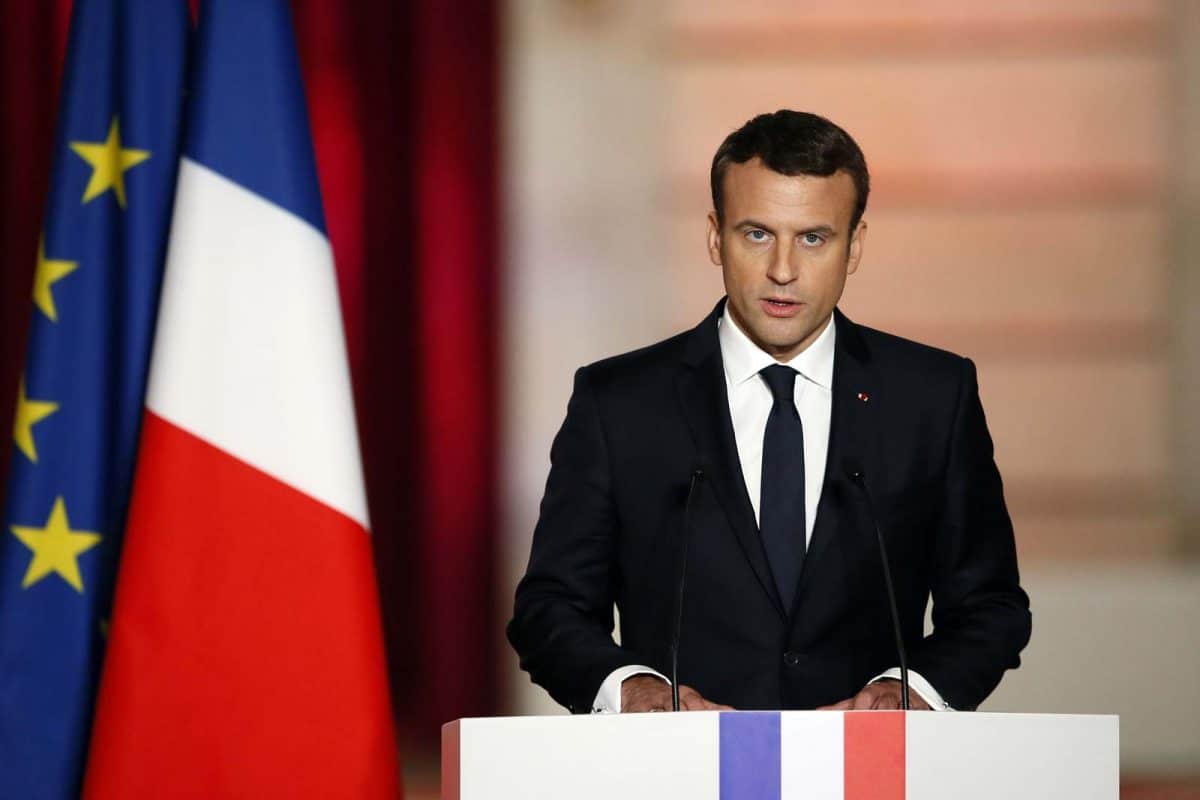
Taxpayers in the Crossfire
Every crown and euro committed abroad is money that might have otherwise stayed at home. When governments announce these pledges with phrases like “rapid effects for Ukraine,” few stop to consider the local impact, ordinary people will bear the consequences, higher taxes, fewer social services, or cuts in public spending elsewhere. It reflects the reality that international aid, while politically popular, has a direct cost for the citizens who fund it.
A Strategic Gamble
Norway and France argue that this support will stabilize Ukraine and prevent broader escalation, which could eventually protect Europe from a larger conflict. But many ask: Is the immediate benefit to Europe worth the billions now spent? For small economies like Norway, a 4.2 billion crown pledge represents a noticeable chunk of government expenditure. For French citizens, loans of this size may not immediately hit the wallet, but still add to national debt and future obligations. The risk is that these generous international gestures could ignite domestic backlash.
The Bigger Picture
Backing Ukraine militarily is one thing; committing billions is another. These investments are framed as urgent, necessary, and strategic, but ordinary taxpayers are left to shoulder the consequences. It is easy to cheer international solidarity, but harder to manage the domestic implications. The support promises rapid effects for Ukraine, but it also signals a warning to citizens: the cost of global engagement is not free.
Bottom Line
France and Norway have stepped up to support Ukraine with billions, but the financial burden ultimately falls on the public. Citizens should ask tough questions: Are we paying too much for wars abroad? And how will these billions affect life at home? In a world of competing needs, Europe’s generosity comes at a very real cost.