
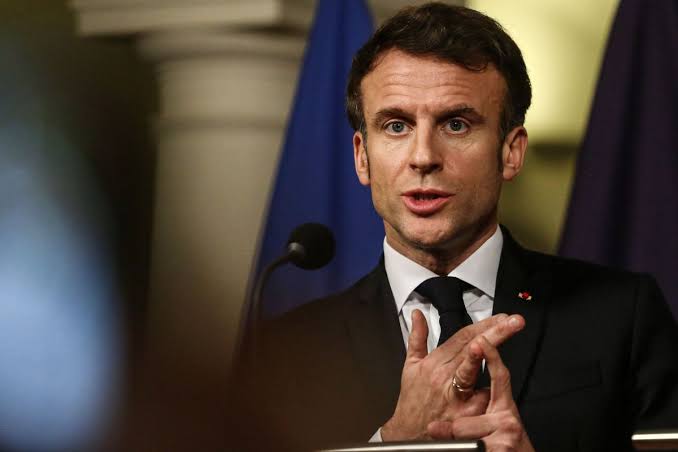
France’s warning to Donald Trump over Greenland did not come out of nowhere. From the very first moment Paris spoke, it was clear this was not just about words, but about fear, and what Europe thinks could come next if power is allowed to move without limits.
What Triggered France’s Reaction
The issue started again when Trump repeated his claim that Greenland should become part of the United States. This was not a joke or a casual comment. It came at a time when Washington had just carried out a bold military move in Venezuela, capturing its president. For many European leaders, this timing mattered.
France quickly showed support for Denmark, which controls Greenland as an autonomous territory. The French message hints that land cannot be taken by force, no matter how powerful a country is.

Why Greenland Suddenly Feels Exposed
Greenland has always been quiet on the world stage, but its location makes it valuable. It sits in the Arctic, close to major shipping routes and military paths. With climate change opening new sea lanes, the island is no longer just ice and snow. It is now strategic land.
Because of what just happened in Venezuela, European leaders are nervous. If a strong country can openly seize control elsewhere, then places like Greenland start to feel vulnerable. This fear sits at the heart of France’s position.
France’s Line: Law Before Power
France made it clear it is not defending Maduro or his record. In fact, French officials openly said they would not mourn him. Still, they insisted that even unpopular leaders do not justify breaking international law.
The deeper message here is about rules. France believes that if global rules collapse, then the world moves into a dangerous space where only strength matters. For Paris, this is a red line, especially coming from a permanent member of the UN Security Council.
Europe’s Wider Anxiety
This is not only a French concern. Many European capitals are quietly worried. Trump’s actions and language signal a return to raw power politics. Smaller nations fear that their borders and autonomy may no longer be respected if they stand in the way of stronger players.
Denmark, in particular, feels cornered. Greenland’s people have their own voice, and Europe wants that voice respected, not ignored by outside pressure.
The Venezuela Effect
What happened in Venezuela changed everything. Even though Europe had problems with Maduro, the method used to remove him alarmed many governments. It sent a message that force could return as a normal tool of foreign policy.
This is why France linked the Greenland issue to that intervention. In Paris’s view, once the door is opened, it does not close easily.
France’s warning is not a threat. It is a signal. Europe wants to slow things down, insist on dialogue, and protect existing borders.
What is clear is that trust has been shaken. Allies are now watching each other more closely, and places once seen as safe are being re-examined.