The United Kingdom Maritime Trade Operations reported that a tanker sailing near the Strait of Hormuz was hit by an unidentified projectile on Monday.
According to The Wall Street Journal, citing an unnamed US official, Iran’s Islamic Revolutionary Guard Corps opened fire on two commercial vessels near the Strait of Hormuz. Similarly, Axios, quoting unnamed US officials, reported that Iran launched missiles at commercial ships passing through the strategic waterway.
The incident was reported only hours before US President Donald Trump departed for a crucial NATO summit in Ankara, where regional maritime security, including developments in the Strait of Hormuz, is expected to feature prominently. The attack also came as Iran continued several days of funeral rites for its former supreme leader, Ali Khamenei.
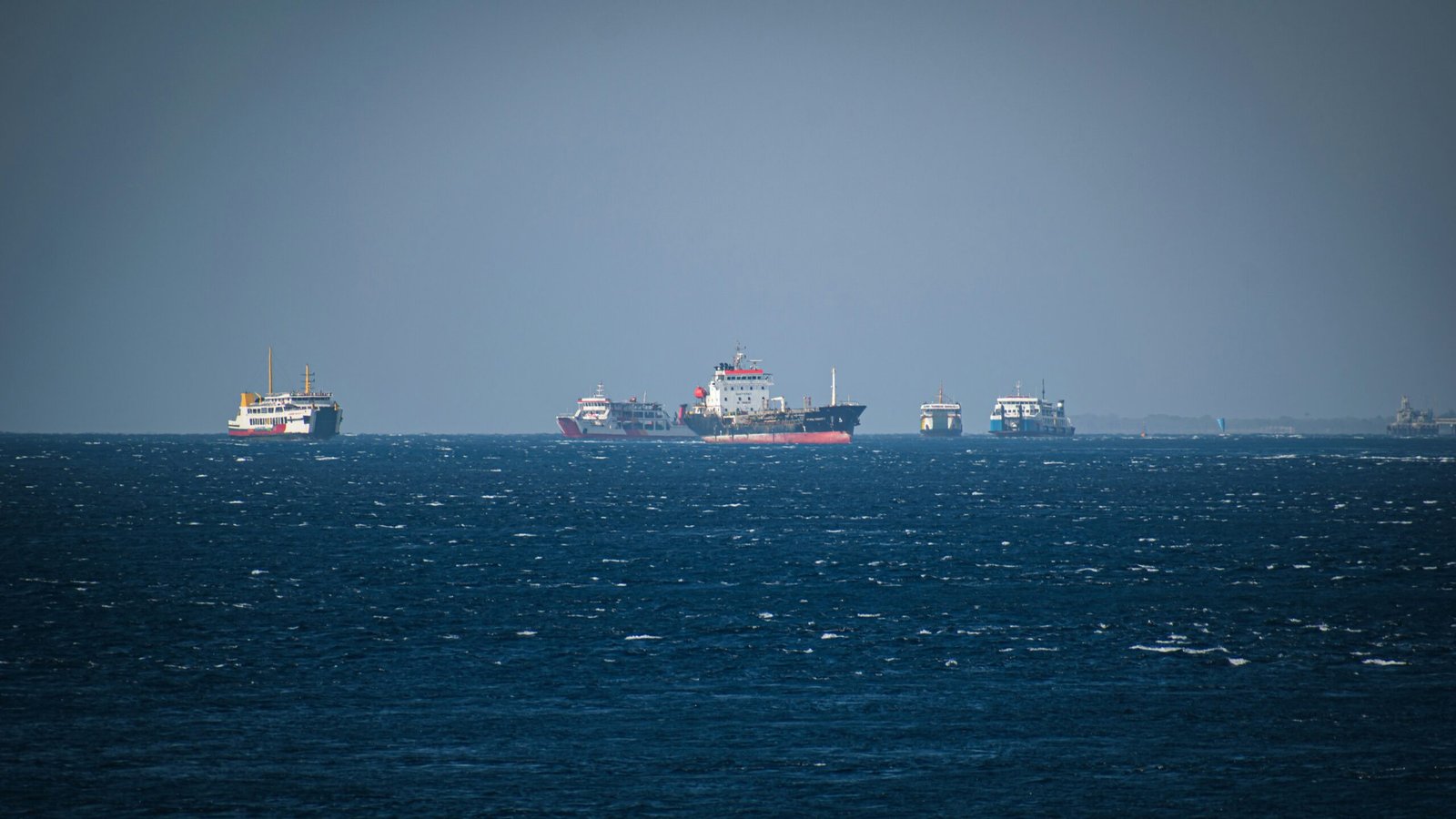
Fars News Agency, citing unnamed sources, claimed that a Qatari oil tanker came under attack while attempting to pass through the Strait of Hormuz after it allegedly ignored repeated warnings.
“No official authority has yet confirmed or denied these reports,” it added.
According to the United Kingdom Maritime Trade Operations, the tanker was sailing about eight nautical miles east of Limah when it was reportedly hit on its port side, triggering a fire. The agency said there were no reported injuries or signs of environmental damage.
Iran has temporarily suspended its delicate negotiations with the United States on a long-term agreement to end the conflict while the country observes several days of funeral ceremonies for Ali Khamenei, who was killed in a joint US-Israeli strike in February at the outset of the war.
On Monday, Donald Trump told reporters that Washington would either secure an agreement with Iran or “finish the job,” according to Reuters.
In a post on X on Tuesday, accompanied by images of large crowds mourning Ali Khamenei, Abbas Araghchi warned that talks on a final agreement “will not commence if threats continue.”
Abbas Araghchi cited paragraph 13 of the memorandum of understanding between the United States and Iran, noting that both countries must first meet a number of agreed conditions before formal negotiations on a final agreement can begin.
One of the key conditions outlined in the agreement is a complete halt to hostilities, including in Lebanon, where Israel’s military reportedly carried out several strikes on Monday, according to Lebanese state media.
Another requirement in the memorandum obliges Iran to make every possible effort to guarantee the safe and uninterrupted passage of commercial vessels through the Strait of Hormuz.
Iran has frequently treated the Strait of Hormuz as a strategic pressure point in its dealings with the international community. Before the outbreak of the conflict, the narrow waterway served as a transit route for about 20 percent of the world’s crude oil exports, highlighting its global economic importance.
Following the signing of the memorandum of understanding, ship movements through the Strait of Hormuz have risen, with a significant number of vessels navigating along routes near Oman, which borders the vital maritime corridor.
Meanwhile, Tehran has sought to tighten its influence over traffic in the Strait of Hormuz by insisting that vessels obtain clearance to use routes approved by Iranian authorities before passing through the waterway.
On Sunday, IRGC warned that its naval forces had deployed patrol boats to prevent vessels from using what it described as the “Omani route,” according to Iranian media and a Telegram channel linked to the IRGC. In a separate report on Monday’s alleged attack, Fars News Agency quoted unnamed sources as claiming the tanker had been attempting to pass through the same “Omani route.”
The UKMTO said on Sunday that shipping activity through the Strait of Hormuz had remained stable in recent days, although there had been no noticeable increase in vessel movements. The agency also cautioned that ships navigating the strategic waterway continued to face security risks.
“Risk remains lower than during the pre-MOU period; however, Iranian intent and capability to conduct intentional hostile action remain, and the environment continues to warrant heightened vigilance despite the absence of recent escalation,” the post from the UKMTO said, referring to the US-Iran MoU.