A new wave of political redistricting is unfolding across the United States, with Georgia preparing to lead the latest phase of a nationwide battle over electoral boundaries that could shape representation at both state and federal levels.
Georgia’s Republican-controlled Legislature is set to convene on June 17 for a special session focused on redrawing voting districts ahead of the 2028 elections. The plan includes new maps for congressional seats as well as the state House, state Senate, and possibly even the state’s utility regulatory commission.
The move comes after a recent US Supreme Court decision that weakened protections under the Voting Rights Act, opening the door for states to revisit district boundaries outside the usual post-census cycle.
It would be the first time a state legislature undertakes such redistricting under the new legal landscape, with other states including Mississippi and New York also considering similar actions in the coming years.
Analysts warn that the ripple effects could extend beyond state capitals, potentially influencing county commissions, city councils, and school boards.
“The stakes here are not political; they are deeply human,” said Joe Kennedy III, founder of Groundwork Project, a nonprofit focused on civil rights and democracy.
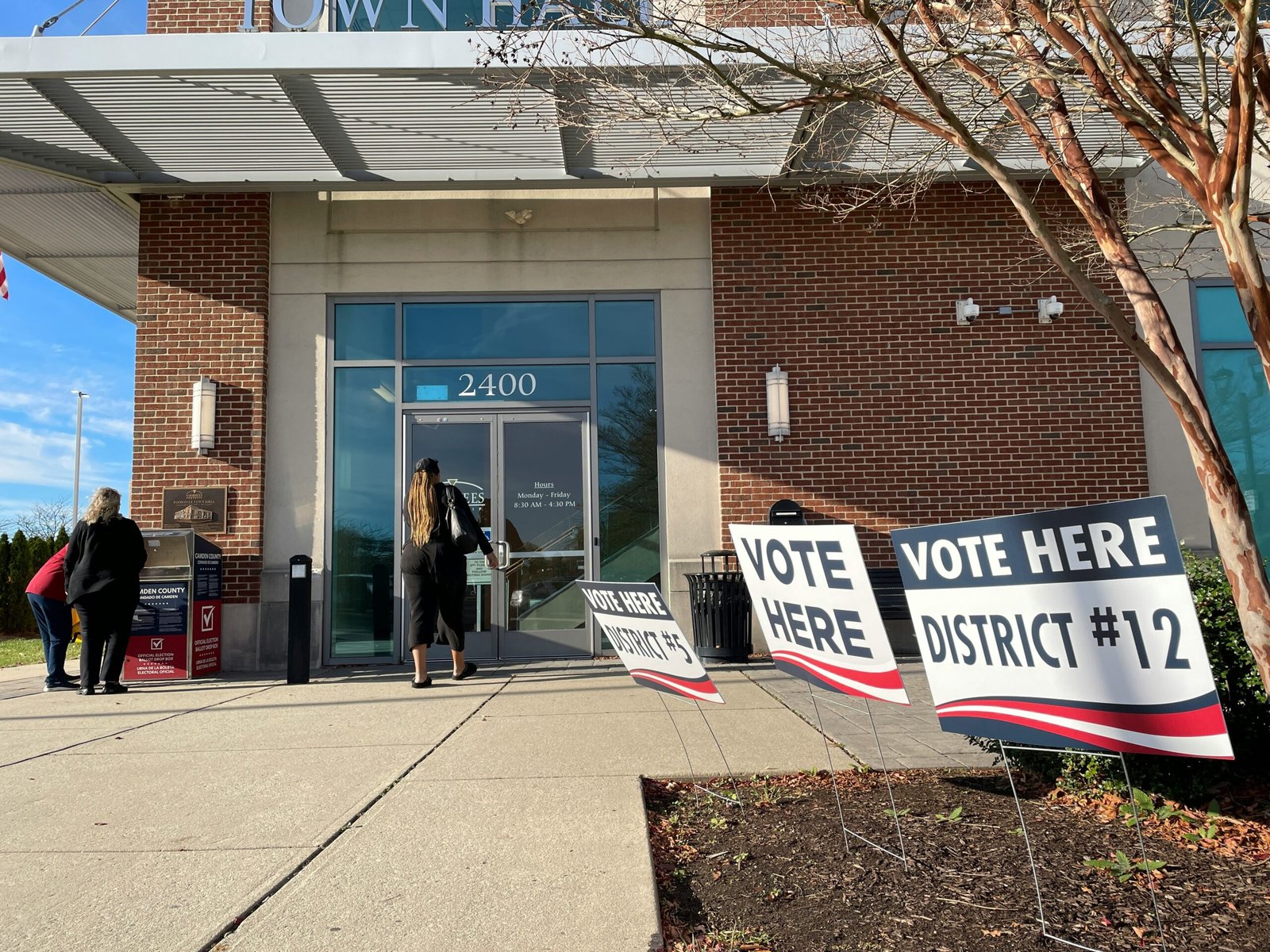
Traditionally, electoral maps are redrawn every 10 years following the US census. However, recent political developments have accelerated efforts by both parties to reshape districts in their favour ahead of upcoming elections.
Former President Donald Trump had earlier urged Republicans in Texas to redraw maps to gain more congressional seats, triggering similar moves in other states.
A subsequent Supreme Court ruling in April further intensified the issue after it struck down a Louisiana congressional district, allowing states to reassess majority-minority districts.
In Georgia, Republican Governor Brian Kemp has called lawmakers into special session following the ruling. Lawmakers are expected to reconsider maps revised in 2023, which were introduced after a court found earlier versions discriminatory.
Democrats have strongly opposed the latest move, with state Representative Tanya Miller describing it as an attempt to “rig maps to maintain power.”
A report by civil rights organisations previously warned that Republicans across several Southern states could eliminate dozens of Democratic-held seats if federal voting protections were further weakened.
However, some experts believe the actual impact may be less dramatic, even as legal and political uncertainty grows.
“There’s a lot less incentive… to eke out an incremental one or two at the expense of really ticking off your own party membership,” said law professor Justin Levitt.
Meanwhile, legal challenges linked to voting maps continue to emerge across multiple states, with courts reconsidering several cases in light of the Supreme Court’s recent decision.
Although the ruling has created new opportunities for redistricting, experts say many local governments may be hesitant to act aggressively, especially in areas where offices are officially nonpartisan.