
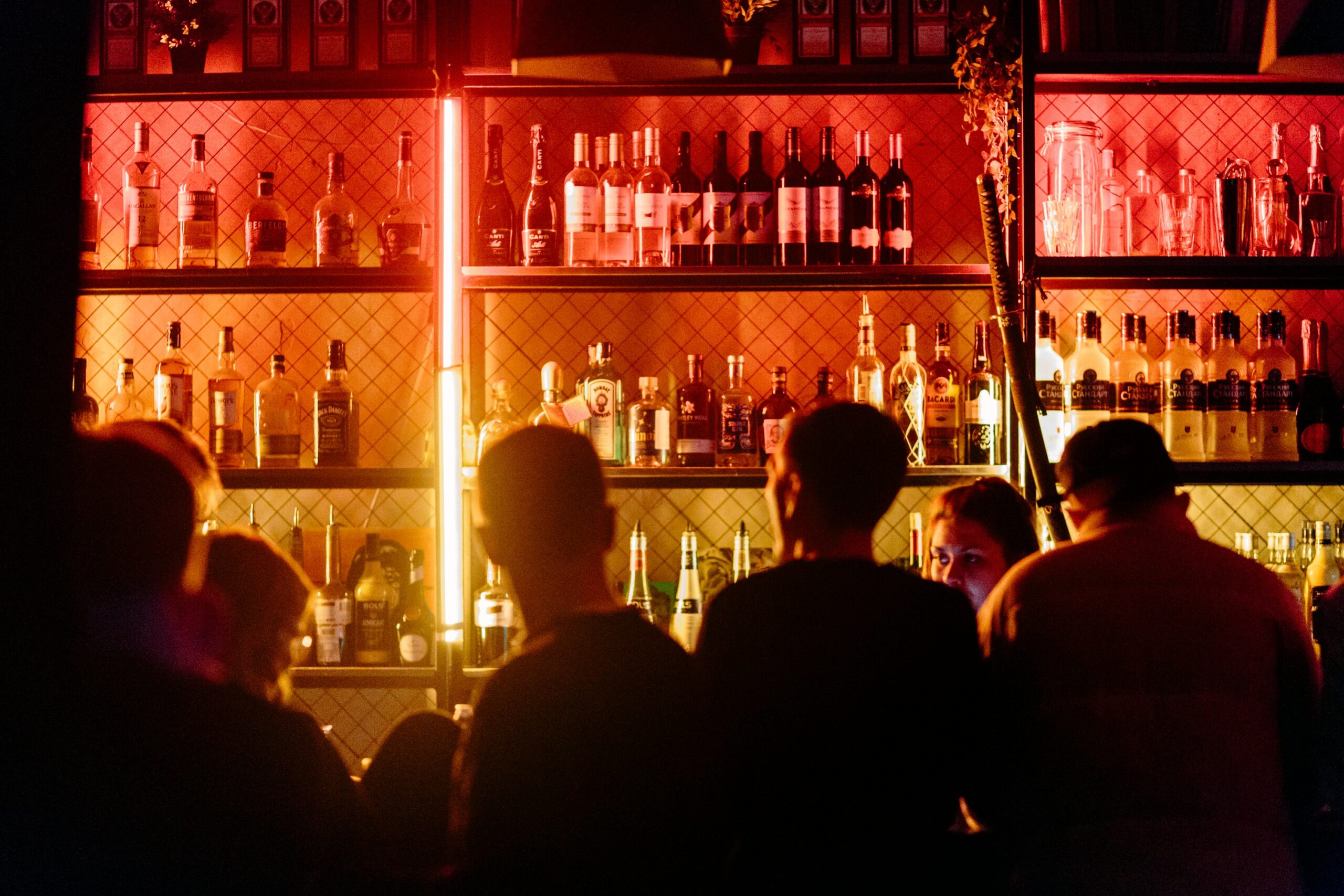
Swiss prosecutors have launched a criminal investigation targeting the two managers of a popular bar, dramatically escalating the legal fallout from a New Year’s Day inferno that killed at least 40 people in one of the nation’s deadliest modern disasters.
In a stark statement released Saturday, the public prosecutor’s office in the canton of Valais revealed the managers are now formally suspected of grave criminal negligence. The charges are severe: homicide by negligence, causing bodily harm by negligence, and arson by negligence—allegations that frame the catastrophic blaze not as a simple accident, but as a potential crime born of reckless oversight.

The tragedy unfolded in the early hours of New Year’s Day, transforming a night of celebration into a scene of unimaginable horror. While the exact cause of the fire remains under intense forensic examination, the swift decision to place the bar’s leadership under criminal scrutiny points to initial findings of possible safety failures, overcrowding, or improper handling of flammable materials.
The move by prosecutors signals that the search for answers has shifted from an administrative inquiry to a full-blown criminal probe, seeking to assign legal responsibility for the mass casualties. The bar managers, whose roles would typically involve ensuring patron safety, now face the prospect of manslaughter charges for their alleged role in the disaster.
The blaze has sent shockwaves through Switzerland, a country unaccustomed to such large-scale loss of life from a single incident. The death toll of 40 marks it as one of the most devastating peacetime tragedies in recent Swiss history, prompting national mourning and urgent questions about fire safety regulations in nightlife venues.
Why It Matters
By naming the managers as formal suspects, prosecutors are responding to a palpable public demand for accountability. The investigation will now delve into the bar’s operational practices, safety certifications, and the specific actions—or failures to act—that may have turned a packed New Year’s party into a deadly trap.
For the families of the 40 victims, the criminal charges offer a first step toward justice, a legal acknowledgment that their loved ones’ deaths may have been preventable. For Switzerland, the case becomes a grim referendum on safety and responsibility, as the nation grapples with how a night meant for ringing in a new beginning could end in such devastating, and allegedly negligent, flames.