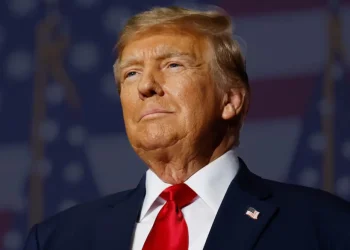
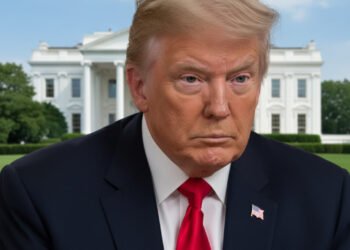
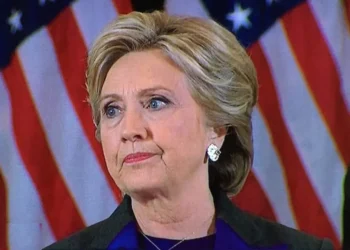
The Republican primary contest for governor in Georgia is heading to a June runoff after Lieutenant Governor Burt Jones and healthcare billionaire Rick Jackson emerged as the top candidates, while Secretary of State Brad Raffensperger failed to secure enough support to advance.
Raffensperger, who has frequently clashed with President Donald Trump in recent years, was projected to finish a distant third in the Republican race.
The battle for the Republican nomination to challenge Democratic Senator Jon Ossoff also remains unsettled and will proceed to a runoff election.
On the Democratic side, former Atlanta Mayor Keisha Lance Bottoms secured victory outright in the governor’s primary race.
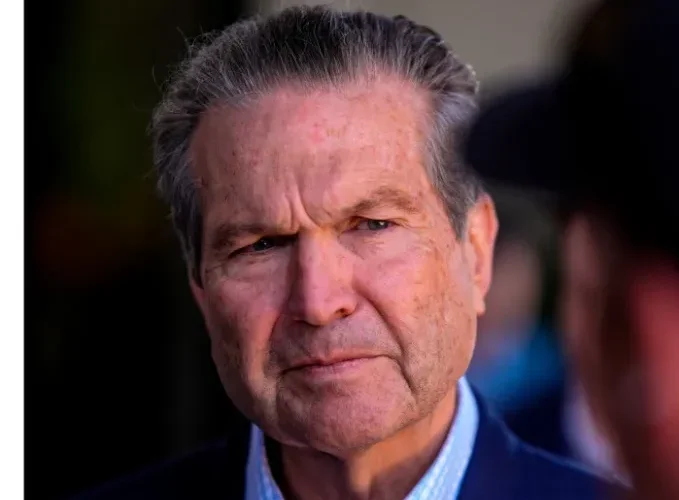
Meanwhile, two justices on the Georgia Supreme Court successfully retained their seats after defeating Democratic-backed challengers, former state senator Jen Jordan and attorney Miracle Rankin.
Although judicial elections in Georgia are officially nonpartisan, the contests drew significant political attention because the court is currently reviewing the legality of the state’s six-week abortion law, often referred to as the “heartbeat” ban.
The judicial campaigns also attracted unusually heavy advertising and online promotion, at times overshadowing the race to replace outgoing Republican Governor Brian Kemp.
Pre-election polls had suggested that the Democratic governorship primary could head to a runoff due to a crowded field, but Bottoms quickly established a commanding lead after polls closed and secured the nomination without needing a second round.
Her campaign received support from former President Joe Biden.
In contrast, the Republican contest became increasingly aggressive, with heavy attack advertisements dominating television coverage.
Jones, who has Trump’s endorsement, will now face Jackson in a runoff campaign that has already consumed a large share of Georgia’s political advertising market.
Jackson, despite entering politics as a newcomer, significantly reshaped the race by investing nearly $50 million of his personal fortune into campaign advertising.
According to data from AdImpact, Republican candidates collectively spent more than $100 million during the primary campaign season.
Once considered a reliably Republican state, Georgia has evolved into one of the nation’s most competitive political battlegrounds. Democrats narrowly carried the state in the 2020 presidential election, and both of Georgia’s U.S. Senate seats are currently held by Democrats.
Senator Ossoff, who faces re-election this year, did not face opposition in the Democratic primary and reportedly enters the general election campaign with more than $30 million in campaign funds.
On the Republican side of the Senate race, Congressman Mike Collins emerged as the leading vote-getter in a crowded primary field. He will now compete against former University of Tennessee football coach Derek Dooley in the June 16 runoff.
Dooley received the endorsement of Governor Kemp during the campaign.