

The debate around the Gaza plan entered a new phase on Sunday, as Germany Pressures Israel: ‘Phase Two Must Start Now’ became the loudest message in Jerusalem during Netanyahu’s meeting with German Chancellor Friedrich Merz. The visit immediately shifted attention to the slow progress of the U.S.-backed plan and the political tension building around it.
Netanyahu Slows the Plan
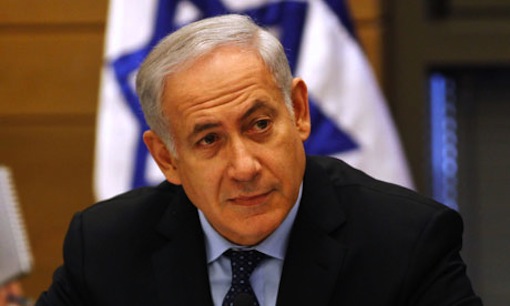
Netanyahu told reporters that the second phase of the Gaza plan was close, but he also made it clear that major decisions were still pending. He spoke about questions that have not been answered, especially the issue of who will control Gaza once Israeli forces pull back. He said a multinational force might be needed, but nothing had been agreed.
Even as he prepared to meet Trump at the end of the month, the prime minister made it known that Israel would not move blindly into the next stage.
Germany Pushes Harder
Merz did not hide Germany’s position. He repeated that the second phase “must come now,” saying the plan could not remain in one spot forever. His message added to the growing global pressure on Israel, and it showed that Europe is becoming more vocal about the need for a transition in Gaza.
Germany said it was open to helping rebuild Gaza, but it would wait for the White House meeting and for clearer commitments from Washington and Tel Aviv.
Ceasefire But No Real Calm
Even though the ceasefire has lasted for weeks, neither side fully trusts the other. Israel still carries out air strikes, saying they are necessary for protection, while Gaza’s health ministry reports hundreds of deaths since the truce began.
Netanyahu said Hamas had rebuilt itself in areas Israel does not control, which he described as a major threat to the plan. He insisted that Hamas must honour its commitment to disarm before anything major can change on the ground.
Hostages and Control of Gaza
Under the first phase of the plan, Israel kept control of 53% of Gaza and agreed to release Palestinian detainees in exchange for Israeli hostages. Almost all hostages have now been exchanged except for those linked to the October 7 attack in 2023.
Netanyahu repeated that Israel would do everything possible to recover the remaining bodies, stressing that this was a national duty.
Israel’s Security Concerns
One of the biggest stumbling blocks remains Israel’s fear that a premature pullback will give Hamas and other militant groups room to reorganize. Netanyahu said security control must stay strong and clear, no matter what the political arrangement becomes later.
This is why the question of a multinational security force is so central: Israel does not trust a weak or symbolic presence, while Western partners want something that proves Gaza will not return to full military rule.
Annexation Talks Still Alive
Netanyahu also confirmed that West Bank annexation is still being discussed. Even though Trump told Muslim leaders that Israel would not annex the territory, the idea continues to float inside Israel’s political space.
Netanyahu called it a “subject of discussion,” showing that the issue has not disappeared, even as Gaza dominates the headlines.
Regional Politics in Motion
The coming meeting between Trump and Netanyahu is likely to influence many things at once: the pace of the Gaza plan, relations with Arab states, and Israel’s long-term political strategy. Netanyahu said there were still chances for broader peace, but only if Israel’s security concerns were taken seriously.
A Turning Point or Another Pause?
For now, the second phase is not blocked, but it is not moving either. A coordination centre has been set up, but without deadlines, everything is moving slowly. The international community is waiting for Israel. Israel is waiting for Trump.
Bottom Line
As Germany Pressures Israel: ‘Phase Two Must Start Now’, the message is simple: the world wants movement. But Israel wants guarantees before taking any major step. The coming weeks will show whether Netanyahu plans to accelerate the plan or keep stretching it while he balances politics, security, and pressure from both Europe and the United States.