Oil prices surged Thursday, with Brent crude hitting $107 per barrel for the first time since May, as traders brace for a more prolonged supply shock caused by the Iran war.
Brent crude, the global oil benchmark, rose 6.1% and traded at $107.40 per barrel. US crude rose 6.2% and hit $102 per barrel. Oil prices have climbed back above the $100 mark this week as fighting in the Strait of Hormuz and Red Sea intensified. The US and Iran have traded strikes, while the Iran-backed Houthis have attacked Saudi Arabia, igniting tensions in the Bab al-Mandab Strait.
“The step up in attacks in the Strait of Hormuz and by the Houthis against Saudi Arabia suggests that Iran and its proxies are trying to regain the initiative in the war,” said Jason Tuvey, deputy chief emerging markets economist at Capital Economics.
The Supply Shock
For the first time since the war started, S&P Global Energy said it does not expect Middle East oil production to return to pre-war levels by the end of next year. The firm no longer assumes a definitive end to the war nor a return to normal in the Strait of Hormuz by the end of 2027.
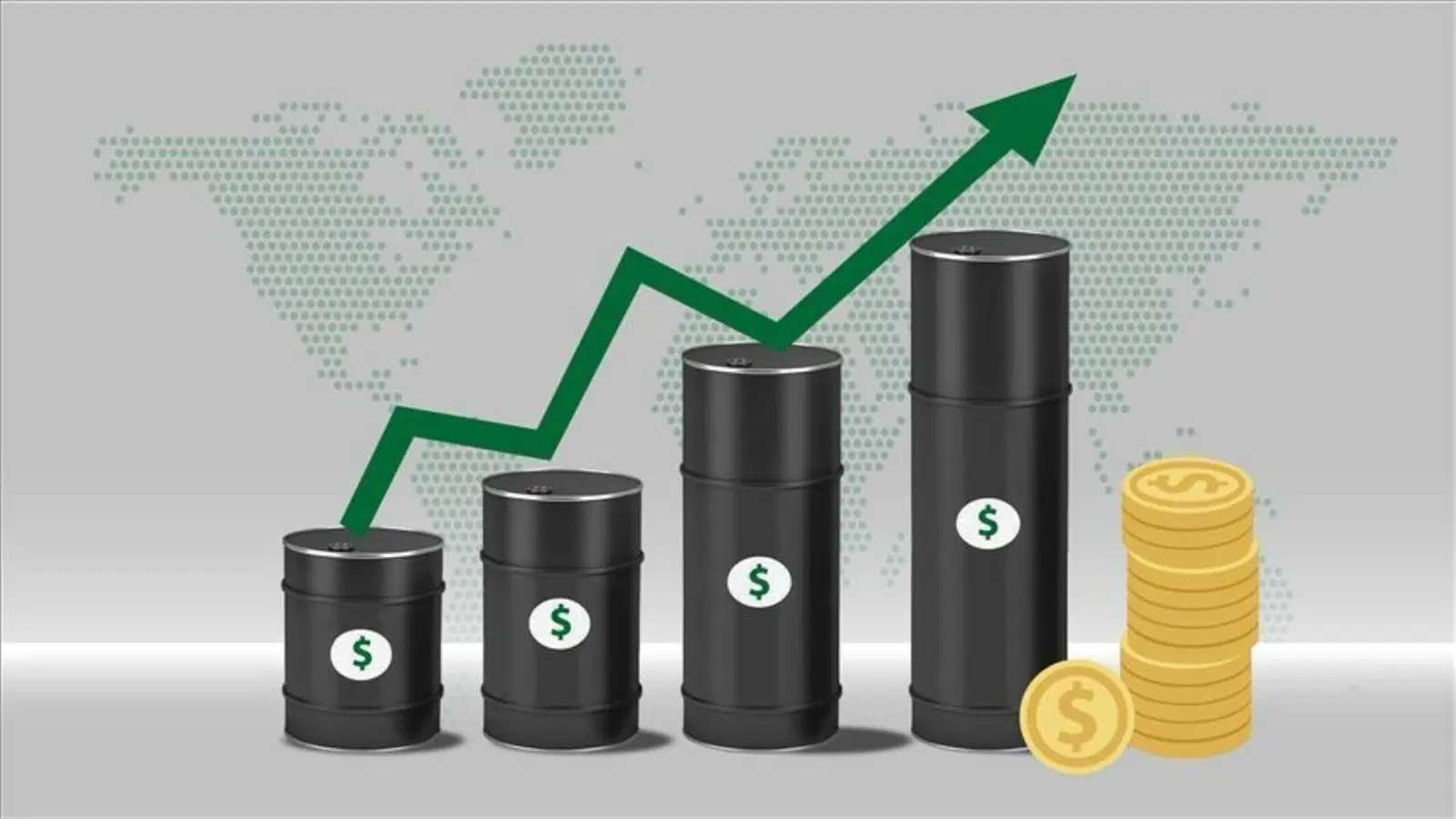
S&P now expects oil prices to stay high — in the $80 to $100 a barrel range — through next year.
By contrast, President Donald Trump on Wednesday night promised a speedy return of cheap energy.
“Prices right after this very important election on November 3rd will be plummeting,” Trump said. “The war will be over very shortly after the election.”
Jim Burkhard, global head of crude oil research at S&P Global Energy, said the market is “not returning to calm.” “It is adjusting to the new normal defined by unresolved conflict and persistent maritime risk,” he said.
Bond Market Turmoil
The rise in oil prices has added to nerves about inflation and central bank rate hikes, sending ripples through bonds and stocks. The bond market sell-off intensified on Thursday, with the key 10-year Treasury yield surging nine basis points to 4.92%, its highest level since October 2023.
The surge came as new data showed headline wholesale inflation picked up in August. Traders are pricing in a 72% chance that the Federal Reserve raises interest rates at its policy meeting next week, up from 49% one week ago.
“Treasury is figuratively shooting a BB gun at an elephant,” said Mike O’Rourke, chief market strategist at JonesTrading.
Pressure on Consumers
The stress from the war is showing up beyond crude oil. Diesel prices, essential for trucking and shipping, have surged to record highs. The national average diesel price hit a record $5.98 a gallon on Thursday, according to AAA.
“When it comes to crude, the situation is actually less dangerous than it is in the oil products, specifically diesel,” said Claudio Galimberti, chief economist at Rystad Energy.
The jump in bond yields is driving borrowing costs higher. Mortgage rates are at their highest levels in 15 months. The average 30-year fixed mortgage rate was 6.76% this week, up from 6.35% a year ago.
The European Central Bank raised its main interest rate by a quarter of a percentage point to 2.5% Thursday, its second increase this year. “The conflict in the Middle East continues to generate inflation pressures,” the ECB said.
The Bottom Line
Global oil prices surged Thursday, with Brent crude hitting $107 per barrel as the Iran war intensifies. Diesel prices hit a record $5.98 a gallon. Bond yields surged to their highest level since October 2023, and traders are pricing in a 72% chance of a Fed rate hike next week. Mortgage rates are at 15-month highs. S&P Global Energy now expects oil to stay in the $80 to $100 range through next year, contradicting Trump’s promise of plummeting prices after the November election.