
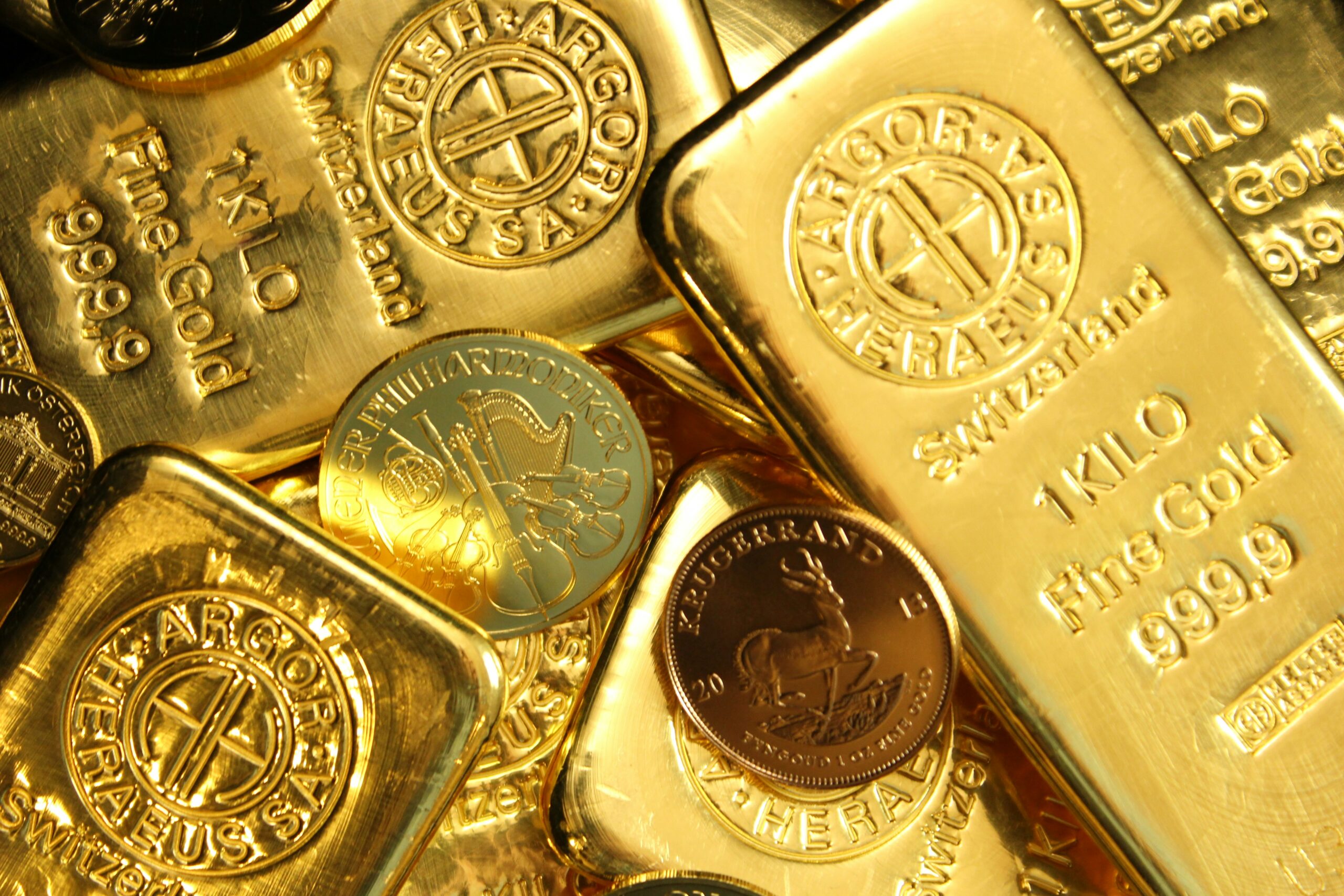
Global investors stampeded into the safety of gold and silver on Monday, sparking sharp price spikes after the shocking U.S. capture of Venezuelan President Nicolás Maduro sent a tremor of geopolitical panic through world markets, underscoring fears that the bold military move could destabilize the region.
In volatile early Asian trading, gold surged by about 1.8% to around $4,408 an ounce, while silver jumped close to 3.5%, as money flooded into these classic “safe-haven” assets. The flight to safety highlighted deep-seated investor anxiety that President Donald Trump’s extraordinary operation in Caracas—vowing to “run the country” and tap its vast oil—marks the start of a new era of unpredictable, market-rattling interventionism.
A Record-Shattering Year Gets a Geopolitical Boost
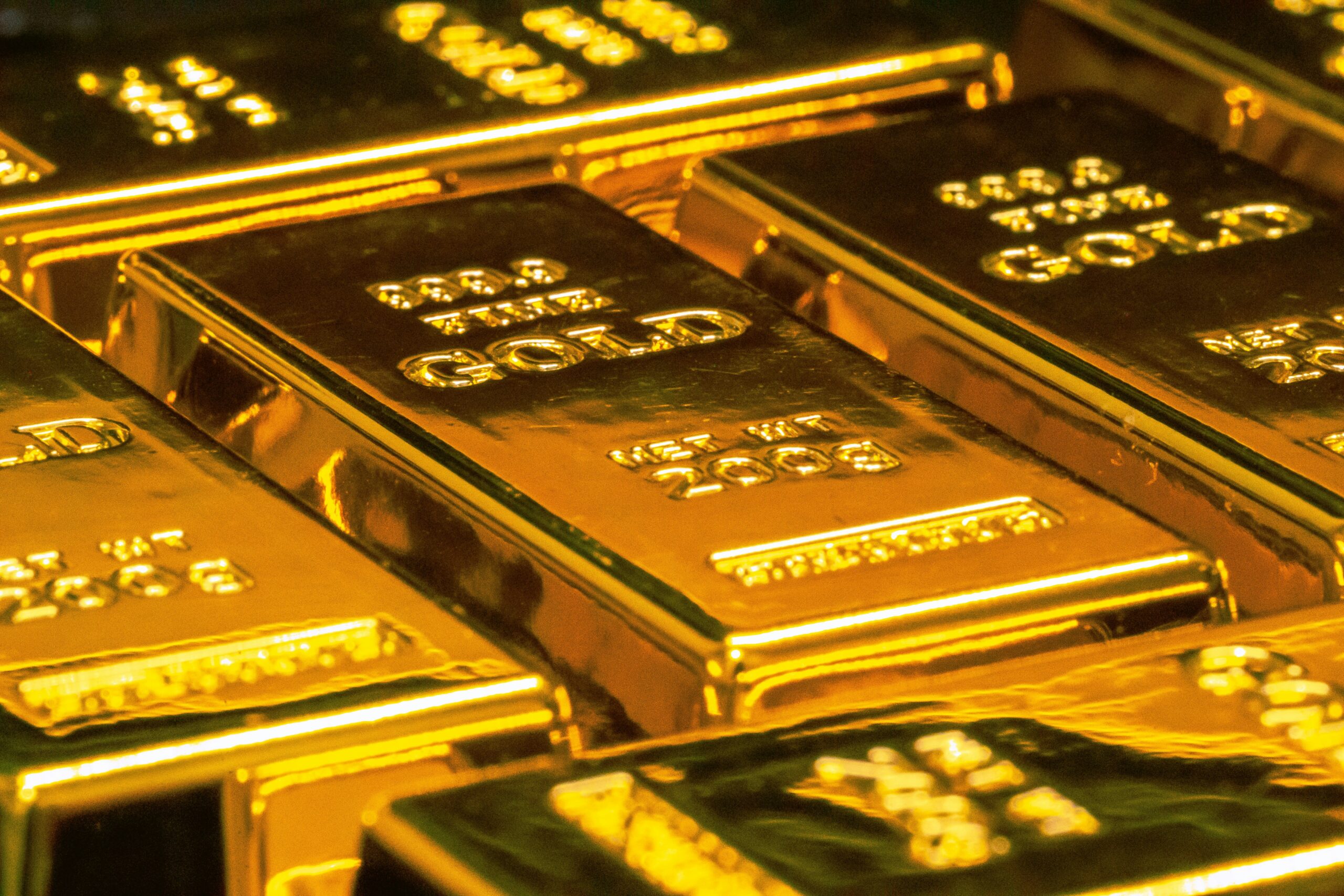
The “Maduro premium” adds another layer to gold’s meteoric rise, which saw the metal record its best annual performance since 1979, skyrocketing more than 60% in 2025 to an all-time high above $4,500. This historic rally has been fueled by a perfect storm of factors: bets on central bank interest rate cuts, massive bullion purchases by governments like China, and now, a fresh injection of pure geopolitical fear.
“The capture is a stark reminder that in times of perceived crisis, gold remains the ultimate insurance policy,” said one Hong Kong-based trader. “Investors aren’t just buying a commodity; they’re buying peace of mind against a world where a foreign leader can be snatched from his capital overnight.”
Oil’s Muted Reaction: A Sign of Venezuela’s Broken Industry?
In sharp contrast to the precious metals frenzy, crude oil prices showed little immediate reaction, drifting slightly lower as traders digested the news. This muted response reveals a critical reality check: despite Trump’s vow to control Venezuela’s oil riches (the largest proven reserves on earth) the industry is a hollowed-out shell.
Industry veterans were quick to pour cold water on visions of a sudden supply boom. Lord Browne, the former chief executive of BP, told the BBC that reviving Venezuela’s crippled output would require “a tremendous amount of skill, investment and time,” warning that production might even fall during a chaotic transition. Analysts also note the country’s output is a “lacklustre” 1% of the global total, and its infrastructure has decayed after decades of mismanagement and sanctions.