Two municipalities in the Phoenix area have stopped using Flock Safety’s automated license plate reader technology, citing growing concerns over the misuse of data and surveillance.
Tempe became the first of the two cities to terminate its agreement with the company on Wednesday. The city, which had an $80,000 contract with Flock Safety, said it would deactivate all of its cameras.
Later the same day, the nearby town of Cave Creek announced that it had also cancelled its contract and removed the Flock equipment.
Tempe said its decision followed reports of improper use of automated license plate reader systems in Arizona and other parts of the country.
“While the cameras have been a useful tool for Tempe … recent cases involving the misuse of automated license plate reader systems in Arizona and nationwide have raised concerns about the risks that come with the technology,” the city said in a statement posted on X.
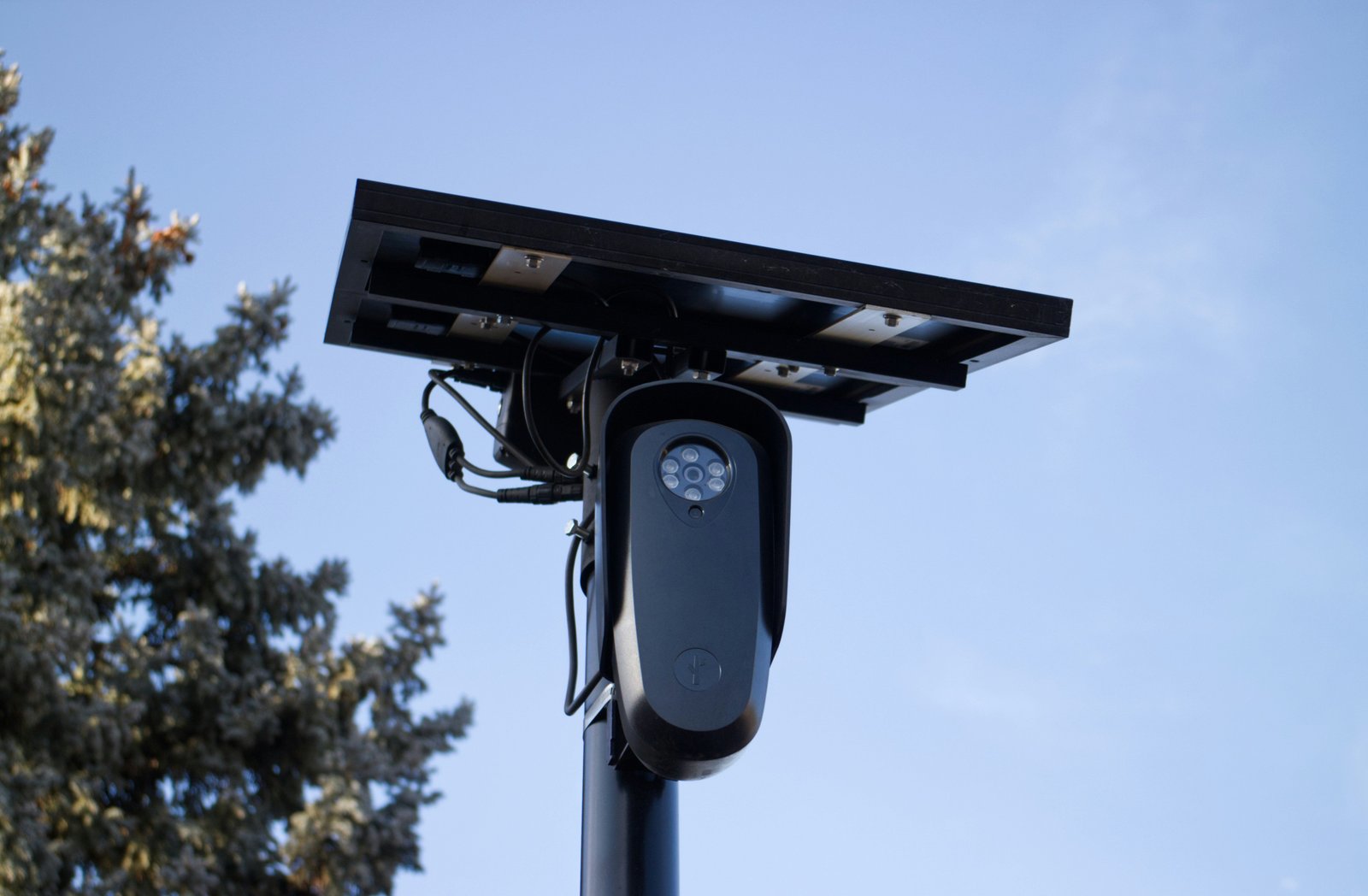
Cave Creek similarly pointed to recent cases of alleged abuse and the theft of one of its Flock cameras as reasons for ending the programme.
“In light of several high-profile abuse cases reported locally and nationally, as well as a recent theft of a FLOCK camera … staff determined it was in the best interest of the community to discontinue the system,” the town said.
Flock Safety’s system uses cameras and audio equipment to capture vehicle licence plates and identify what the company describes as a vehicle “signature”. The technology does not use facial recognition or collect biometric information.
The data can be shared between participating law enforcement agencies, creating a nationwide network designed to help investigators identify vehicles connected to crimes. Flock says its network includes more than 120,000 cameras across 49 states.
However, the technology has faced increasing criticism from privacy and civil liberties advocates. Anti-surveillance organisation DeFlock said more than 90 cities had either rejected or taken steps to cancel Flock camera programmes as of Wednesday.
A Washington Post investigation published earlier this month found that more than 50 law enforcement officers had faced accusations, charges or convictions related to the misuse of automated licence plate reader data. Some of the alleged abuses involved officers using the systems to monitor former romantic partners.
Florida Governor Ron DeSantis also criticised the growing use of the technology during a press conference on Wednesday.
“I’m all about having law enforcement have tools to be able to hold criminals accountable,” DeSantis said, according to ABC7 Sarasota. “But I don’t want to have this become a surveillance state.”
Meanwhile, Republican Senator Josh Hawley of Missouri launched an investigation into Flock’s nationwide surveillance network, citing several alleged cases of personal-data abuse.
In a letter to Flock CEO Garrett Langley, Hawley referred to a February incident in which a police officer allegedly searched an ex-girlfriend’s licence plate 124 times and her former boyfriend’s plate 55 times.
Flock recently announced new privacy and data-retention measures as it faces increasing legal challenges. The company said agencies must implement an “Audit Assistance” feature designed to identify unusual activity for administrator review.
It has also introduced a “proactive lockout” system that can automatically suspend a user’s access when their activity reaches a specified threshold for abnormal behaviour.
The American Civil Liberties Union, which has several cases pending against Flock, described the changes as potentially encouraging but said “the devil will be in the details” of how the system operates.
Flock said it respected Tempe’s decision but defended the usefulness of its technology.
“We believe Tempe could have preserved the system’s value in helping solve serious crimes while still respecting privacy, and taking that tool away does not make a community safer,” a company spokesperson said.