
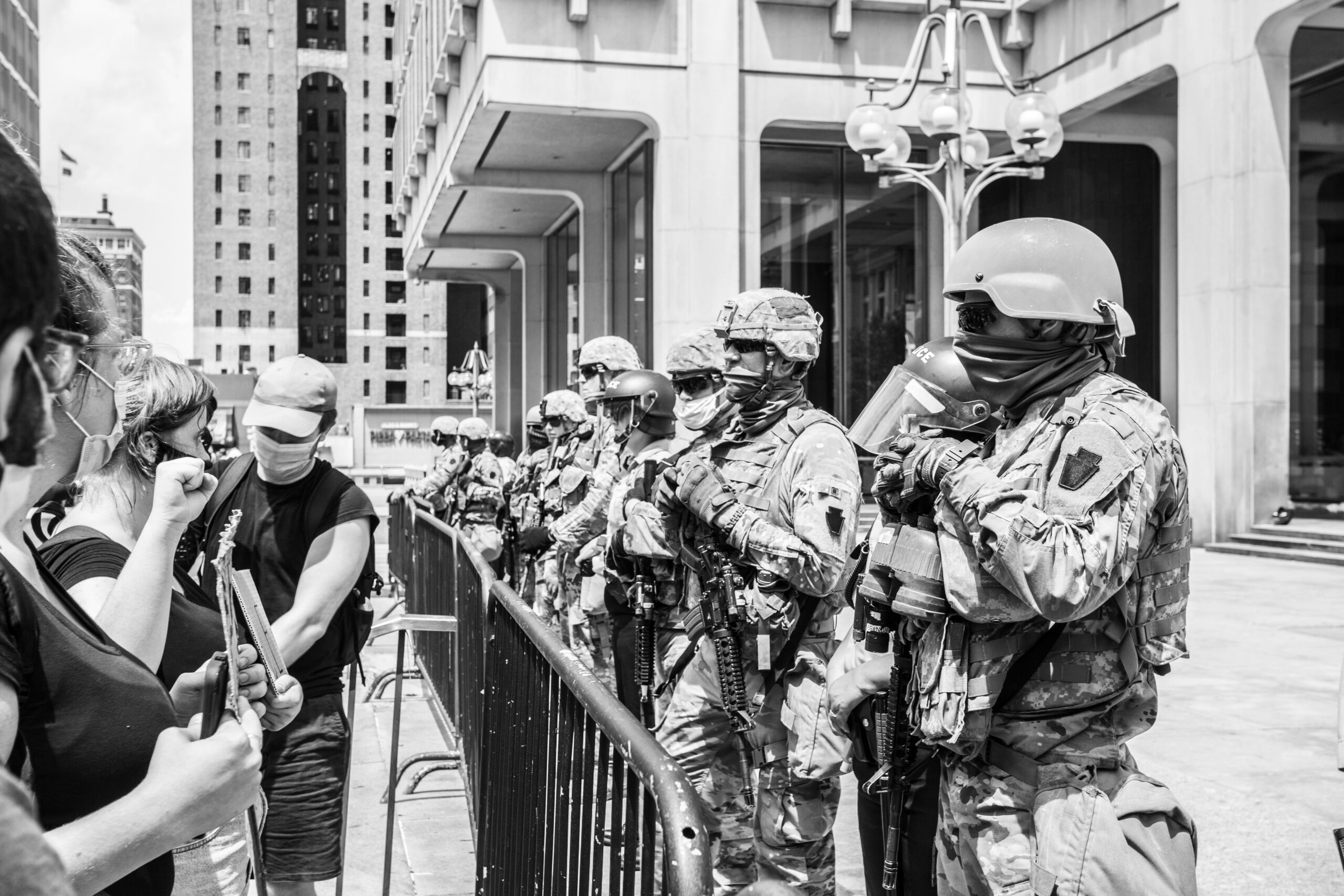
A National Guardsman who was critically wounded in an ambush near the White House is now “slowly healing,” his parents have revealed in a poignant update that offers the first glimmer of hope after a brutal attack that claimed the life of his fellow soldier.
Air Force Staff Sergeant Andrew Wolfe, 24, is beginning to “look more like himself” as his head wound heals, West Virginia Governor Patrick Morrisey said after attending a vigil at the soldier’s former high school. The family expects Wolfe—who recently gave a thumbs-up to a nurse and moved his toes—to remain in acute care for several more weeks but remains “hopeful” on what they acknowledge is “a long road to go.”
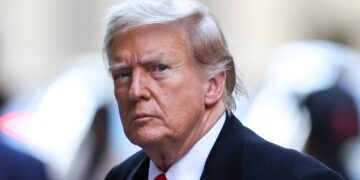
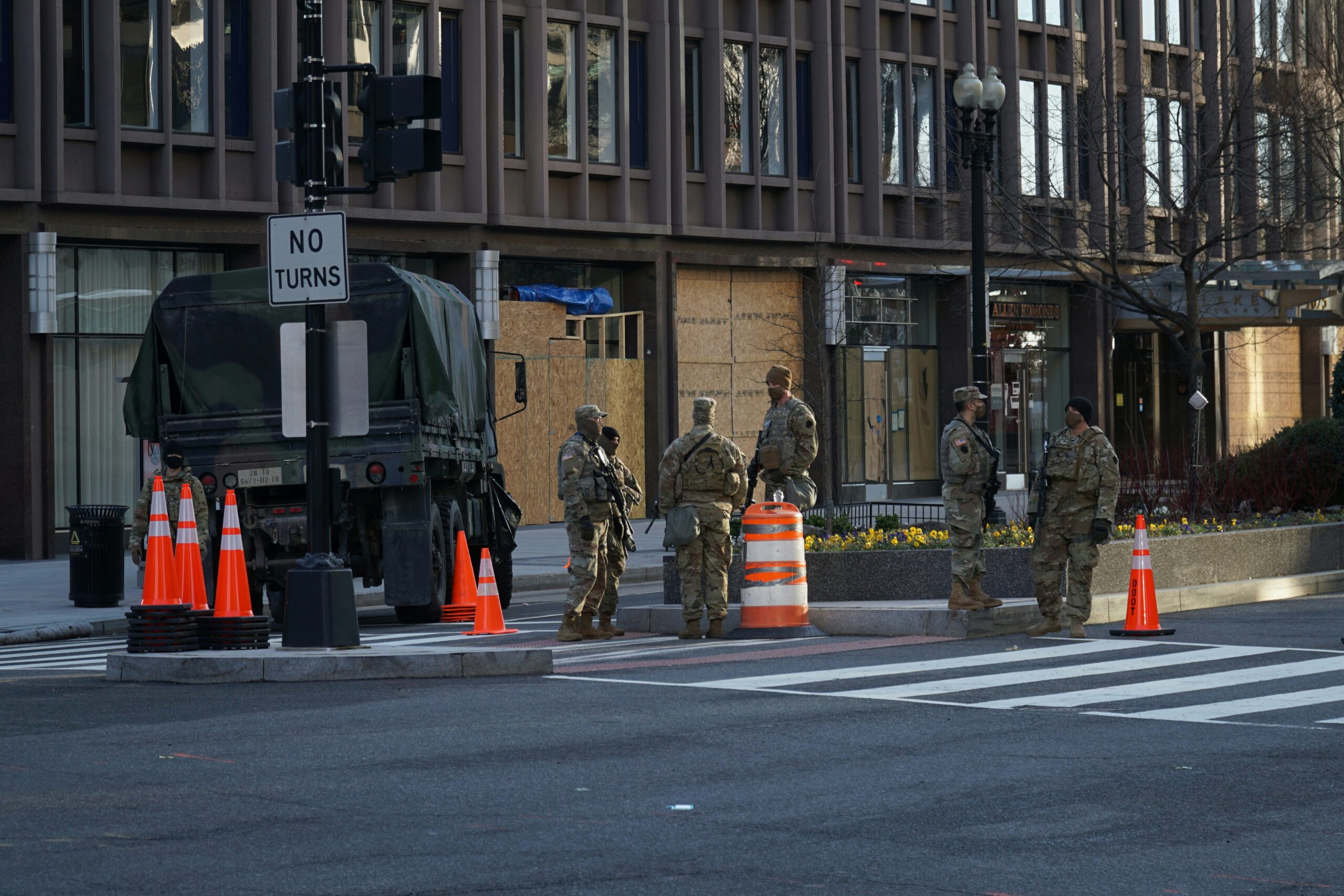
The emotional update provides a human counterpoint to the political firestorm ignited by the November 26 shooting, which killed 20-year-old Guardsman Sarah Beckstrom and led President Trump to order 500 more troops to Washington D.C. and enact sweeping new immigration crackdowns. The suspected shooter, an Afghan national who once worked with a CIA-backed unit, faces first-degree murder charges.
Why It Matters
In the midst of a national political circus over immigration and security, this story brings us back to its brutal, human cost: a young man fighting to reclaim his life. The image of a soldier giving a thumbs-up from a hospital bed is a powerful testament to resilience, but it shouldn’t distract from the systemic failures that put him there.
While politicians use this tragedy to justify sweeping policy changes, Andrew Wolfe’s “long road” of rehabilitation is the quiet, grinding reality they ignore. His slow healing is a metaphor for a nation that is quick to politicize violence but slow to address the complex security and vetting lapses that make it possible.
The vigil in his hometown high school is a reminder that behind every headline about troop deployments and immigration bans are families shattered by violence, clinging to faith and a thumbs-up as signs of progress. The nation may debate the policy response, but it owes this soldier more than just prayers—it owes him a thorough accounting of why he was left so vulnerable on a street just blocks from the most protected building on earth.