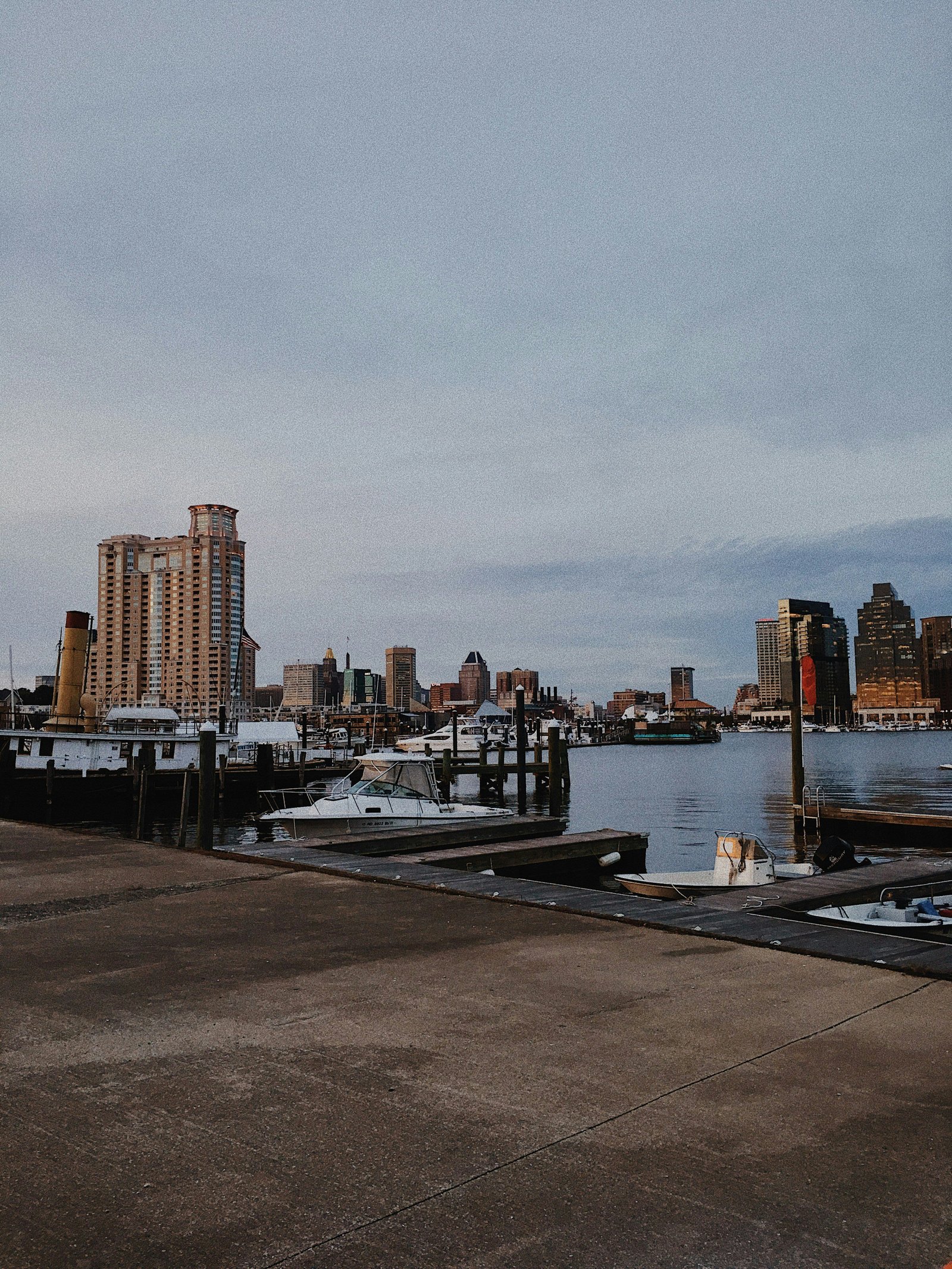

The owner of Harborplace says the city residents who filed a lawsuit this week to block its redevelopment project value “nostalgia for a few” more than “progress for all,” and vowed to move ahead with its plans.
MCB Real Estate, the company seeking to demolish the Harborplace pavilions at Pratt and Light streets to make way for a $900 million mixed-use development, addressed the suit Wednesday in a statement on its website. The statement was attributed to Alexandra Hughes, an MCB spokesperson.
“The latest action by a small group of opponents proves one thing beyond a shadow of a doubt: nostalgia for a few is more important than progress for all,” Hughes wrote. “MCB is not giving up on Baltimore. We will continue to press forward to create a downtown and a Harborplace that ALL of Baltimore wants to see – not just for a few that want 1980 to live forever.”
The Lawsuit
The lawsuit was filed Monday in the Circuit Court for Baltimore City by seven plaintiffs: William John Pencek, David Tufaro, Anirban Basu, Eleanor M. Carey, Anthony Ambridge, Barbara L. Valeri, and David Benn. Their attorney is Michael McCann.
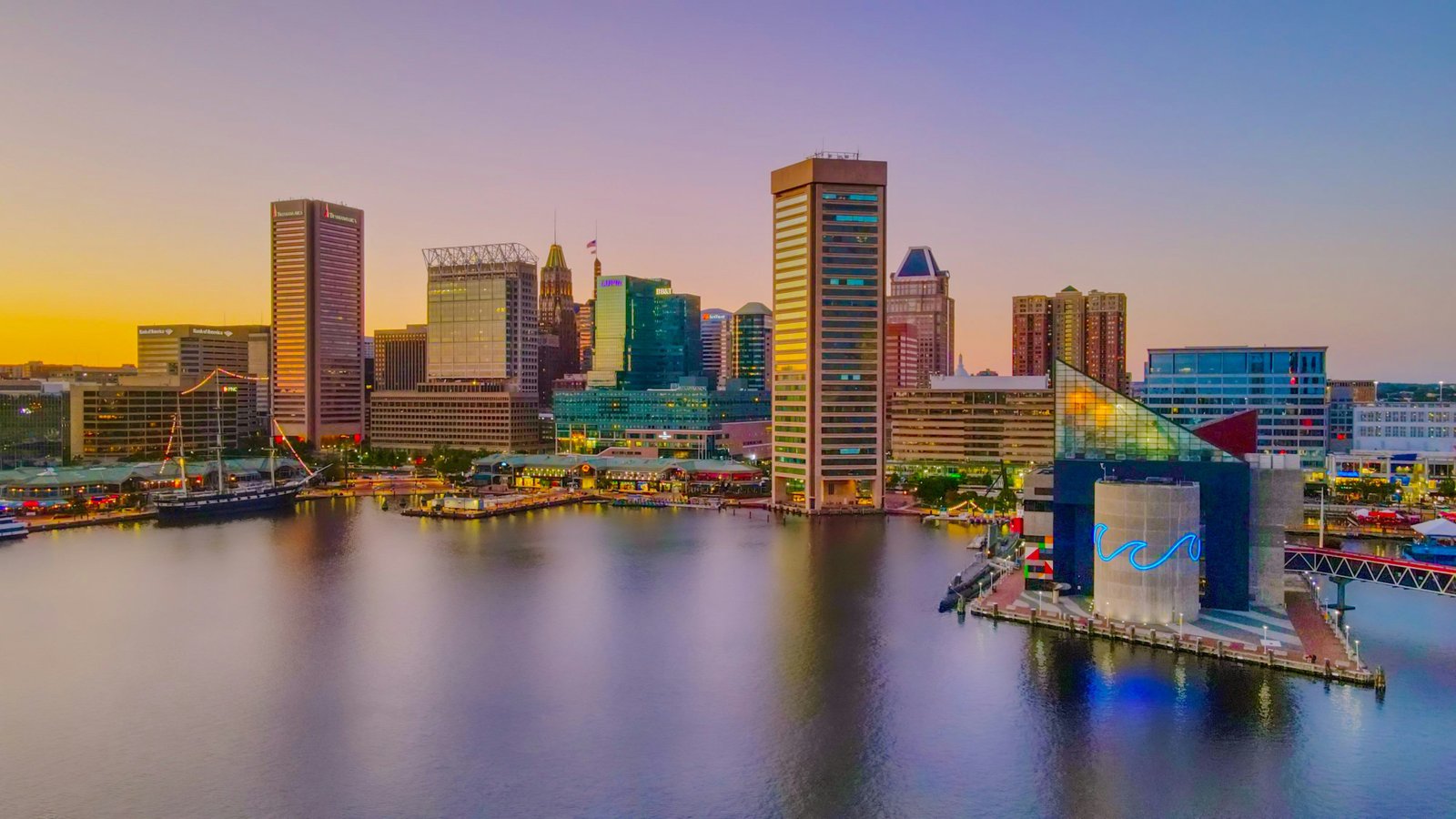
Most of the plaintiffs are part of the Inner Harbor Coalition, which has closely monitored the project. They say they want to see the Inner Harbor revitalized but oppose high-rise apartment buildings on land designated as city parkland. They also want the city and developer to follow the law.
Tufaro said the lawsuit is not about nostalgia. “Those of us who oppose the MCB plans are often asked, ‘why didn’t you come in with a plan to develop Harborplace when it went into decline?'” he said. “The answer is very simple. First, the responsibility fell with BDC, which had oversight responsibility for Harborplace, to have not allowed Harborplace to go into decline.”
He also questioned why the Baltimore Development Corporation did not issue a Request for Proposals for the site, as has been standard practice for public land in Baltimore for decades. “If there had been an RFP process for Harborplace, there is no way that a proposal would have included the giant apartment towers that are part of MCB’s plans,” he said.
The Pushback
Baltimore resident Liz Ankewitz Bement said Hughes’ response amounts to bullying.
“Dismissing city residents with ridiculous labels while fundamental questions remain unanswered is straight out of the mayor’s playbook: bully citizens, smear anyone asking questions, label them nostalgic – or worse – and paint legitimate pushback as bad faith obstruction,” she wrote on Facebook.
“Slapping a label on a group such as ‘nostalgic’ is designed to put them on defense. It’s a cheap silencing tactic meant to derail debate. Why are they so afraid of the debate?”
The Mayor’s Office declined to comment on the lawsuit, saying the matter is the subject of active litigation.
The Closures
Meanwhile, two more Harborplace businesses are planning to close and move out of the Light Street Pavilion by the end of the month. Cuples Tea House and Vinyl and Pages, side-by-side businesses run by Lynnette and Eric Dodson, have announced their final dates. “The Last Pour” for Cuples Tea House will be September 26, and “Everything Must Go” dates for both businesses will be September 28, 29, and 30.
The Bottom Line
MCB Real Estate is pushing forward with its $900 million Harborplace redevelopment despite a lawsuit filed by seven Baltimore residents. The developer says the plaintiffs value nostalgia over progress. The plaintiffs say they want revitalization but oppose high-rise apartments on parkland and want the city to follow the law. Two more businesses are closing by the end of the month to make way for the development.
My Opinion
The developer’s statement is a masterclass in deflection. Calling your opponents nostalgic is not an argument. It is a way to avoid making one. The plaintiffs are not asking for 1980 to live forever. They are asking why a public parkland was handed to a private developer without a competitive bidding process. They are asking why the city bypassed the normal RFP procedure that has been standard practice for decades. They are asking what happens if the developer tears down the pavilions and then cannot secure financing to build the replacement. That is not nostalgia. That is due diligence.
MCB says it won 60% of the vote and the Supreme Court of Maryland unanimously rejected other efforts to obstruct progress. But a public vote does not erase the legal questions. A unanimous court ruling on a different matter does not answer the question of whether the city followed its own procurement rules. If the process was clean, the developer should welcome the scrutiny. If the process was not clean, no amount of branding will change that.