
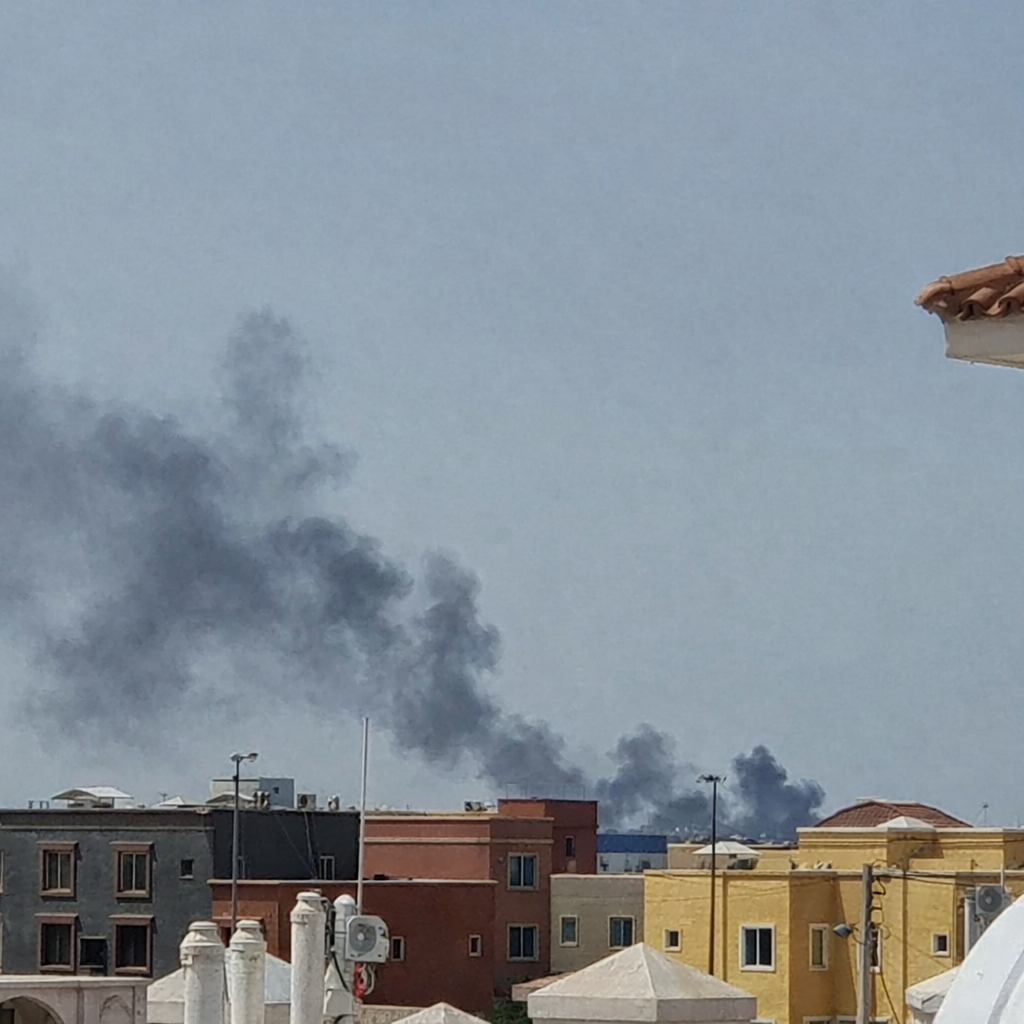
In a message that has shattered hopes for a swift diplomatic exit from the current hostilities, Hezbollah Secretary-General Naim Qassem declared that the group would not be coerced into a “humiliating” peace deal. The speech, aired on the group’s Al-Manar station, comes as Israeli airstrikes hammer Hezbollah strongholds in response to the group’s March 2 rocket barrages, retaliation for the killing of Iranian Supreme Leader Ali Khamenei.
The Call for “National Unity” (On Hezbollah’s Terms)
Qassem’s statement was aimed as much at the Lebanese Presidential Palace as it was at Jerusalem. He demanded that the government immediately reverse its March 2 decision to ban Hezbollah’s military activities, calling it a strategic error that serves Israeli interests.

Qassem explicitly rejected the Lebanese President’s initiative for direct talks, stating, “When negotiations are proposed under fire, this is an imposition of surrender.” He claimed the group has maintained “ambiguity” regarding its full capabilities and is eager for a ground confrontation, taunting the IDF to try and “remain permanently” on Lebanese soil. Linking the conflict directly to the broader U.S.-Israeli war on Iran, Qassem framed the current bloodshed as a defense of “the future of our children” rather than a regional proxy battle.
A Government Under Pressure
The Lebanese government is currently caught in a vice. While the Ministry of Justice is reportedly considering legal action against Qassem for inciting conflict and defying state authority, the group’s “without limits” vow suggests they are prepared to continue launching drones and missiles at Israeli targets regardless of the domestic legal or humanitarian cost.
The Cost of Defiance
Qassem is playing a dangerous game of “all or nothing.” By rejecting negotiations while Lebanon is “under fire,” he is essentially gambling the survival of the Lebanese state on the hope that a prolonged war will exhaust the Israeli-American coalition. However, with over 4,000 dead since the escalation began and the region’s oil economy in a tailspin, the “unity” he calls for is looking increasingly like a demand for national martyrdom.
As the Iran peace negotiations in Pakistan progress without Hezbollah’s input, Qassem’s speech marks an attempt to remain relevant in a conflict that may soon outpace his group’s ability to control the narrative. The question now is whether the Lebanese people will follow him into a “war without limits” or if the government will finally move to enforce its ban on the group’s arsenal.