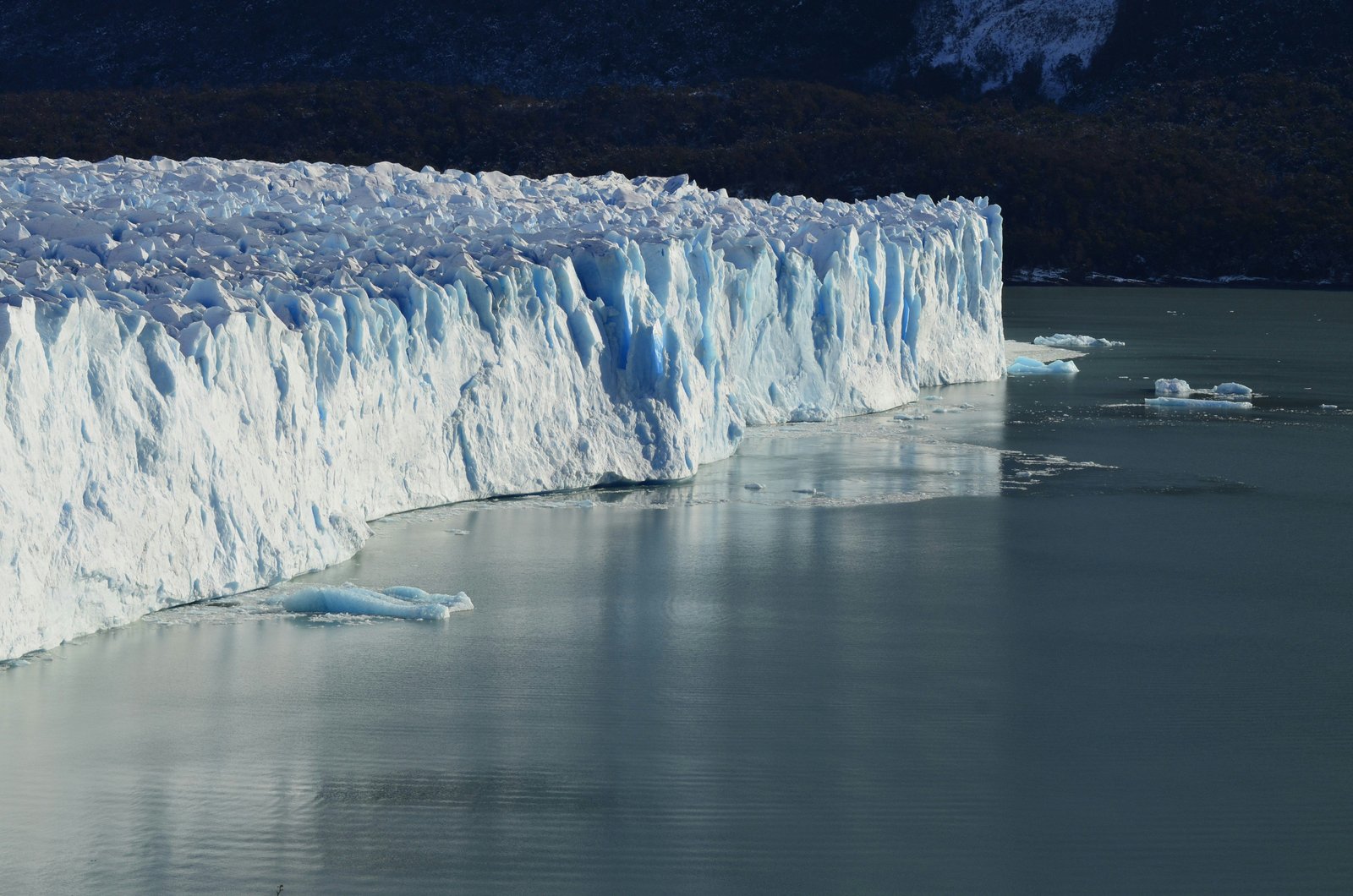

The devastating flood that swept through communities along the Nepal-China border this week has renewed concerns about the growing dangers facing millions of people living below the world’s high mountain ranges.
Although scientists say it is too early to determine whether climate change directly contributed to the disaster, experts warn that rising temperatures are rapidly transforming mountain environments. Melting glaciers, thawing permafrost and increasingly intense rainfall are creating conditions that can trigger complex and destructive disasters.
Nepal, home to some of the world’s highest mountains, is particularly vulnerable. Its steep slopes, narrow valleys and powerful rivers have long made the country prone to floods and landslides, while its spectacular scenery continues to attract large numbers of visitors.
However, the scale of Wednesday’s disaster was extraordinary, according to Prashant Baral, a cryosphere analyst with the International Centre for Integrated Mountain Development (ICIMOD).
“Was of significantly larger scale than what we have seen in the recent past,” Baral said.
Satellite analysis indicated that a massive section of glacier, estimated to be about 2,000 feet wide, broke away from Langtang Lirung mountain in northern Nepal. The collapse was accompanied by a landslide, sending ice, water, rocks, sediment and huge boulders down the mountain.
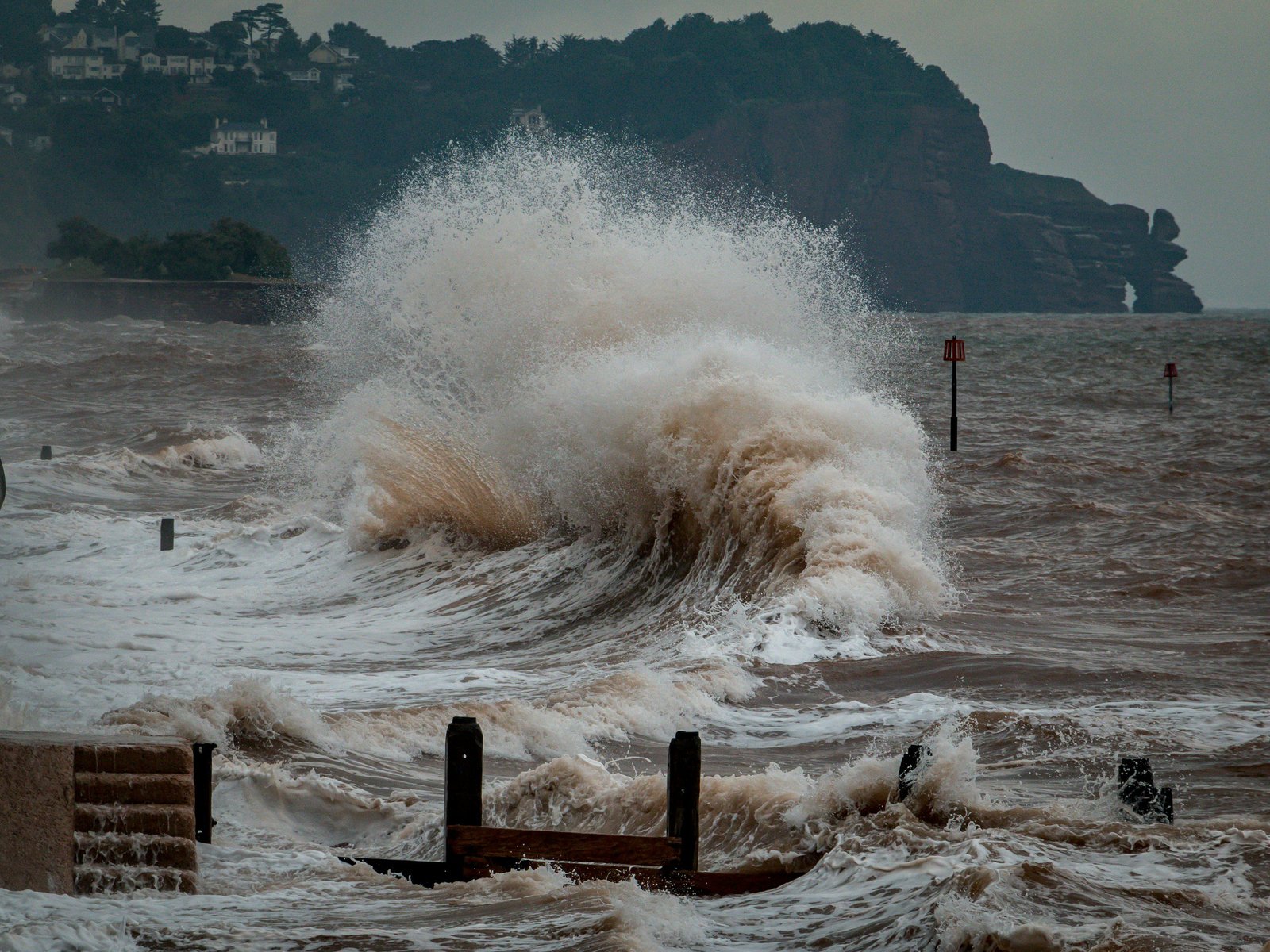
The resulting flood travelled through narrow valleys with enormous force, destroying homes, buildings, bridges, roads and power infrastructure. The impact was reportedly so powerful that the initial tremor was mistaken for an earthquake.
The torrent was described by some witnesses as resembling “liquid concrete” as it carried enormous amounts of debris downstream.
Experts say the disaster demonstrates the type of cascading mountain hazards that could become more common as global temperatures rise.
“Whether this particular event can be tied to climate change or not, this is what we expect,” said Dan Shugar, a geologist at the University of Calgary in Canada. “This is what climate change looks like.”
The threat extends far beyond Nepal. Mountain glaciers around the world are shrinking rapidly, with scientists estimating that as many as half of the more than 200,000 mountain glaciers globally could disappear by the end of the century, even if ambitious climate targets are achieved.
In the Hindu Kush Himalaya region, which includes Nepal, glacier ice loss has doubled since 2000, according to recent ICIMOD research.
As glaciers retreat, they can become increasingly unstable, creating the possibility of sudden collapses.
“Sudden failures can occur,” said Ella Gilbert, a climate scientist at the British Antarctic Survey.
Permafrost also plays an important role in keeping mountain slopes stable. It contains frozen soil, rocks, sediment and ice, and its thawing can weaken the structure of mountains.
“Think of the high mountains like this as shattered bedrock glued together by ice-filled joints,” said Richard Waller, a physical geographer at Keele University in England.
As temperatures rise and frozen ground thaws, parts of mountains can become unstable, potentially sending huge quantities of rock and debris downhill.
Another major danger comes from glacial lakes, which form as glaciers melt. When these lakes become overloaded, their natural barriers can fail, releasing enormous volumes of water and debris in what is known as a glacial lake outburst flood.
A similar incident in Nepal last July caused major flooding and killed at least 11 people.
Increasingly heavy rainfall is another concern. Warmer air can hold more moisture, increasing the potential for intense precipitation. In mountainous areas, heavy rain falling instead of snow can increase the likelihood of landslides, erosion and flooding.
Bishal Upreti, a geologist and president of the Nepal Centre for Disaster Management, warned of the dangers posed by unstable glaciers above populated areas.
“There are many glaciers ‘hanging above our heads, and anytime they can burst,” he said, describing the resulting floods as a “tsunami from the sky”.
The threat is not unique to Nepal. Mountain communities in regions such as the European Alps, the Andes and Alaska also face risks associated with shrinking glaciers, thawing permafrost and unstable slopes.
In Alaska, the Mendenhall Glacier above Juneau drains into Suicide Basin, a glacial lake that periodically releases floodwater towards the city.
Last year, the Swiss village of Blatten was buried after a glacier collapsed, sending millions of tonnes of ice and rock down the mountainside. Scientists have suggested that thawing permafrost may have contributed to the collapse by destabilising rocks around the glacier.
With these dangers increasing, early-warning systems are becoming increasingly important.
Hannah Cloke, a professor of meteorology and climate change at the University of Reading, said Nepal’s warning systems likely helped save lives further downstream. However, she noted that people living closer to glaciers often have little time to respond.
“There is often very little time between the triggering event and the impact, making warnings exceptionally difficult,” she said.
One scientist estimated that the flood wave travelled nearly 14 miles at a speed of about 120 mph.
Predicting which glaciers could collapse remains extremely difficult. Nepal has around 3,000 glaciers, making comprehensive monitoring a major challenge.
Baral said closely monitoring every glacier would be “extremely challenging”.
Scientists nevertheless see potential in emerging satellite technologies, which can provide more detailed and frequent information about changes in remote mountain environments.
Shugar described these systems as a potential “game changer” for Nepal and other vulnerable countries.
As global temperatures continue to rise, experts warn that protecting communities beneath the world’s great mountain ranges will increasingly depend on improved monitoring, early-warning systems and efforts to limit further warming.