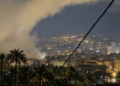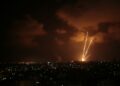

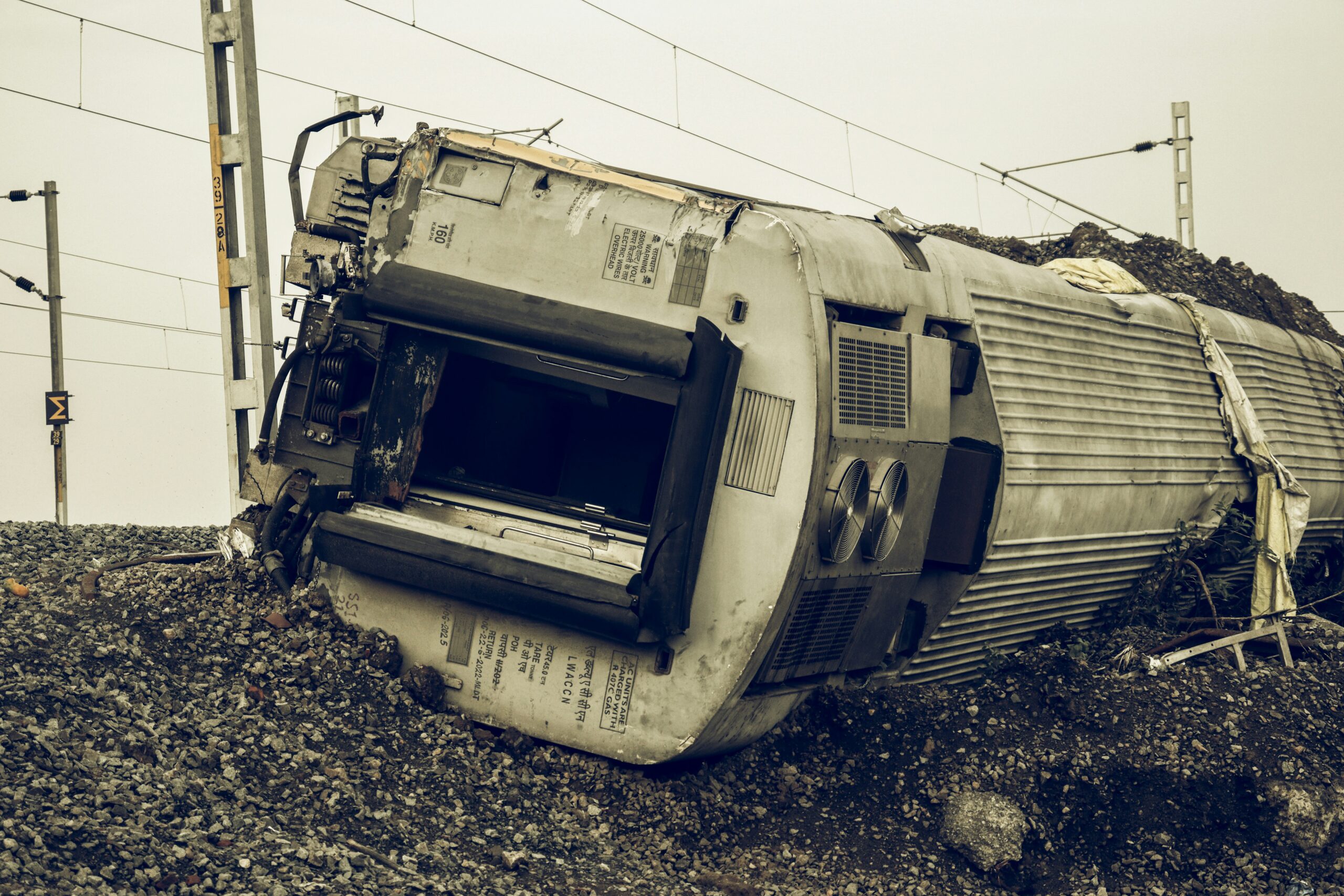
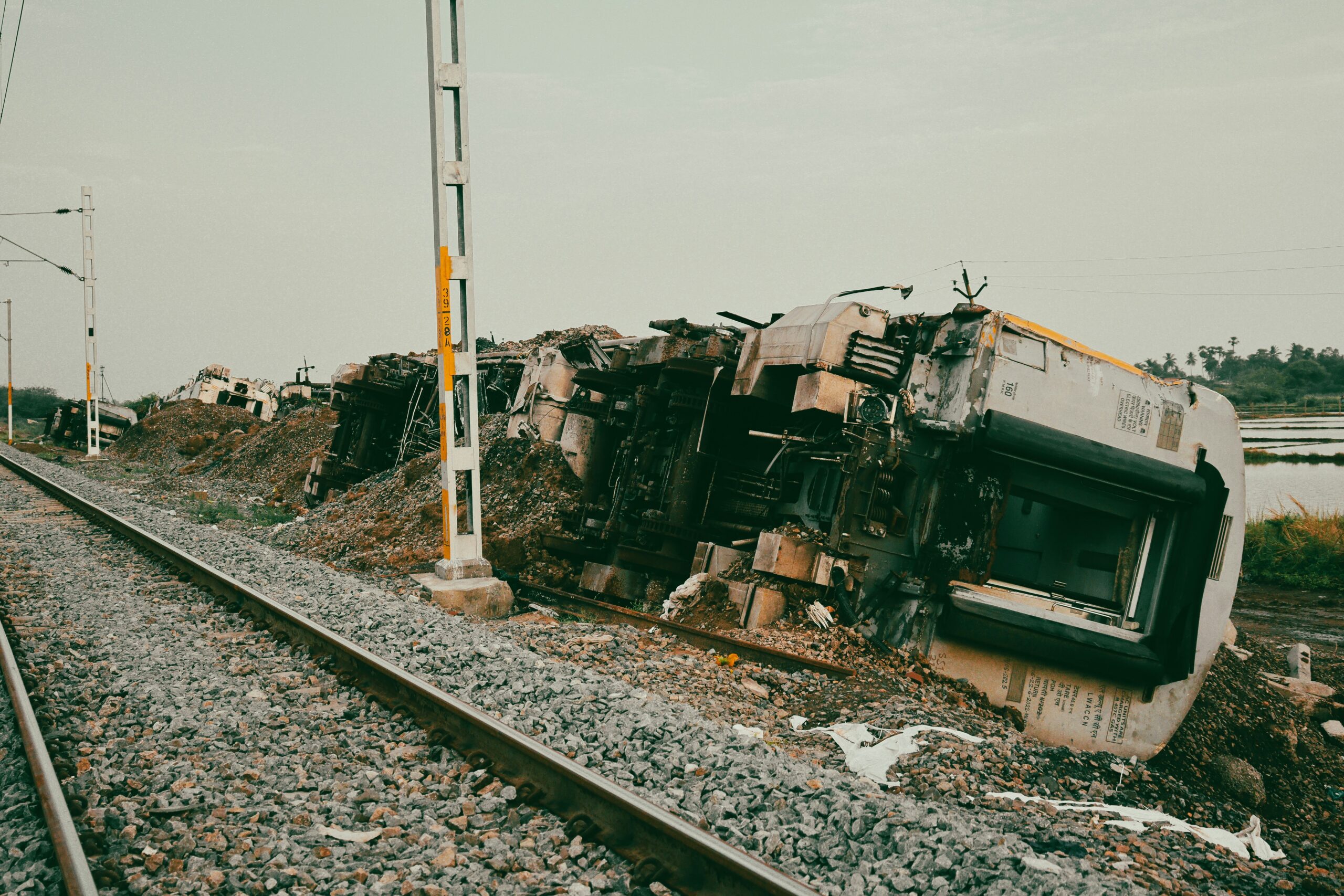
Spain’s vaunted high-speed rail network, a symbol of European modernity and efficiency, turned into a scene of unimaginable nightmare late Sunday when two trains collided in a remote area of the south, killing at least 39 people and injuring 122 in one of the deadliest European railway disasters in 80 years. The death toll, described by officials as “not yet definitive,” continues to mount as rescuers work through the tangled wreckage, raising a single, terrifying question: how could this happen on a newly renovated, state-of-the-art track?
The accident occurred near Adamuz, Córdoba, around 360 km south of Madrid, on a stretch of line completely overhauled just eight months ago at a cost of €700 million. The collision involved a private Iryo train, a Frecciarossa 1000 model capable of 400 kph, traveling from Málaga to Madrid, and a state-run Renfe Alvia train bound for Huelva. Preliminary reports suggest a catastrophic chain of events: the Iryo train derailed, losing a wheel that has yet to be found, and was struck approximately 20 seconds later by the oncoming Alvia train, leaving no time for an emergency brake.
The Survivor’s Accounts
Survivors’ accounts paint a picture of sudden, brutal chaos. “The train tipped to one side… then everything went dark, and all I heard were screams,” said Ana, a young passenger rescued through a window, her face covered in plasters. She described being surrounded by the mortally injured. “You had them right in front of you and you knew they were going to die, and you couldn’t do anything.”
The remote crash site, accessible only by a single-track road, severely hampered the rescue operation, delaying ambulances and trapping victims in the wreckage for hours. The scale of the tragedy forced Prime Minister Pedro Sánchez to cancel his trip to the World Economic Forum, as emergency crews worked through the night. The Civil Guard has set up a DNA identification office for families of the missing, a grim procedural step that underscores the catastrophe’s human toll.
Systemic Red Flags: A Track Record of Failure
The urgent investigation is now focused on why a derailment occurred on a recently modernized line. While Renfe’s president Álvaro Fernández Heredia said it was too early to determine the cause and that “human error is practically ruled out,” he acknowledged the accident happened under “strange conditions.”
A Reuters review reveals this specific corridor has been plagued by problems. Since 2022, the state rail administrator Adif has reported at least 10 separate incidents of delays on the Madrid-Andalusia high-speed line due to signaling failures and issues with overhead power lines. Furthermore, the entire Spanish high-speed network, the largest in Europe, has been criticized for delays caused by power outages and rampant copper cable theft from tracks crossing empty countryside—a vulnerability that remains unaddressed.
The Mounting Questions and What Happens Now?
The disaster exposes potential cracks in Spain’s prized rail system. The Iryo train, less than four years old, passed an inspection just days before the crash. The track was newly renovated. The private operator, a joint venture including Italy’s state railway, only began service in 2022 as part of a government push to liberalize the market and lower fares.
As the death toll climbs and a nation mourns, the central mystery deepens. Was this a freak, isolated mechanical failure on a new train? Or is it a symptom of a broader systemic malaise—where breakneck expansion, privatization, and neglected maintenance on a sprawling network have created latent dangers? Spain’s high-speed dream has delivered its worst-ever nightmare, and the country now demands to know how its crown jewel of transport became a death trap.