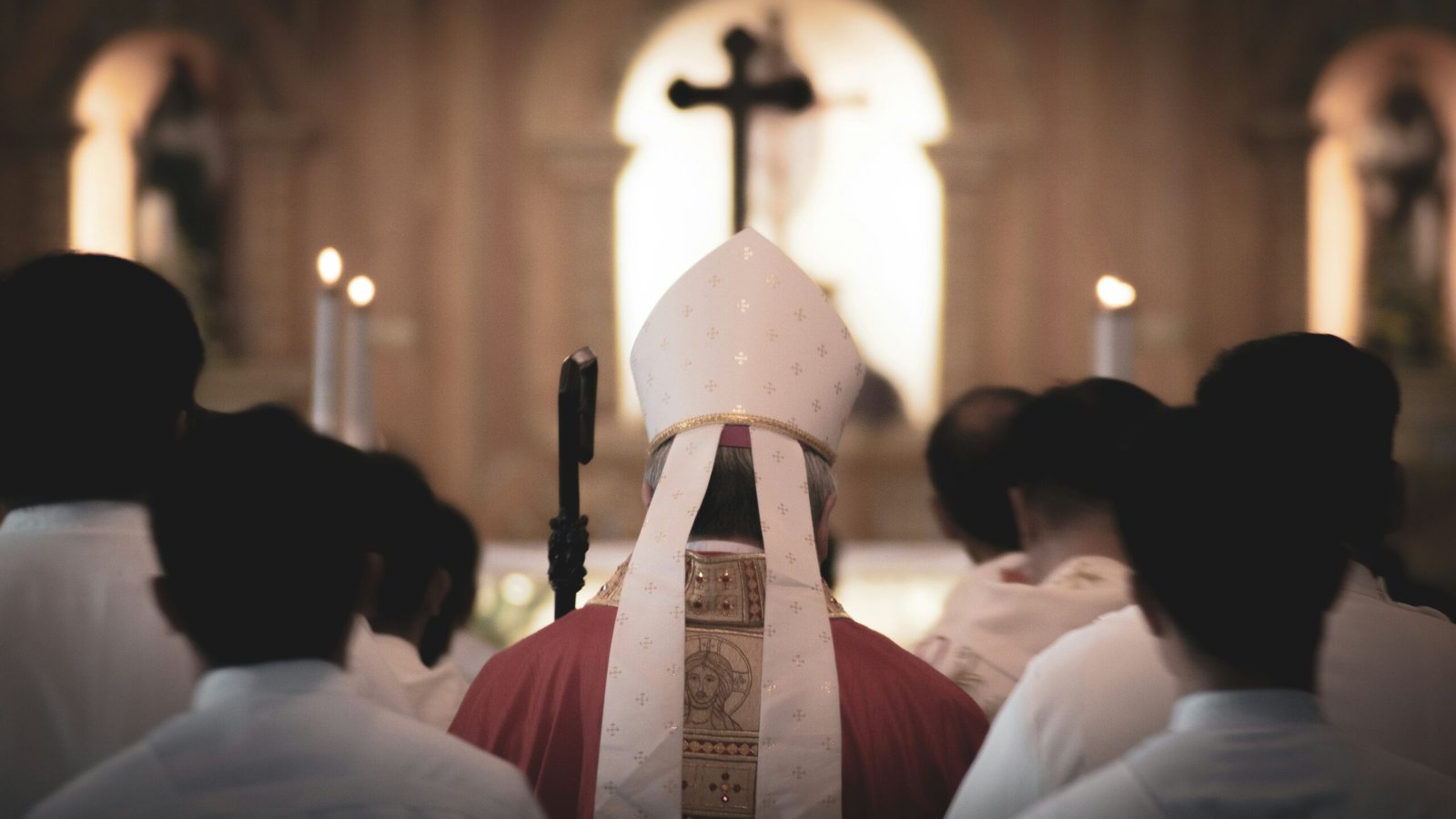

Catholic clergy members have successfully restored their right to enter a Chicago-area immigration processing center to provide daily pastoral care to detainees. The agreement forces Immigration and Customs Enforcement (ICE) to back down after months of blocking religious access under the Trump administration’s aggressive immigration crackdown.
The Legal Battle for First Amendment Rights
The dispute began six months ago when the Coalition for Spiritual and Public Leadership, an Illinois-based Catholic advocacy group, filed a lawsuit in federal court against the Trump administration.
For over a decade, Catholic nuns and priests had visited the ICE facility in Broadview, Illinois, every Friday morning to offer prayers, comfort, and communion to those inside. Last September, as federal agents flooded the Chicago area during heightened immigration enforcement operations, authorities abruptly rolled back access and barred the clergy from entering. Clergy members argued that locking them out directly violated their First Amendment rights and federal laws, including statutes that explicitly prohibit the government from placing a burden on a detainee’s freedom to practice their religion.

Terms of the Settlement
Officially filed in the U.S. District Court for the Northern District of Illinois, establishes structured, daily hours for spiritual care, and members of the clergy are now permitted to enter the facility every single day. Visitation is locked in for two daily shifts: 8:00 a.m. to 11:00 a.m. and 1:00 p.m. to 4:00 p.m.
Permanent Hopes
Advocacy leaders expressed optimism that this court-filed agreement will serve as a permanent framework to protect religious access moving forward. Advocates emphasized that pastoral care is most vital during the initial phase of a person’s detention. Michael Nicolas Okinczyc-Cruz, the coalition’s executive director, noted that the first few hours of federal custody are often the most painful and frightening for individuals, making immediate spiritual accompaniment absolutely essential.
When the Law Steps in to Protect Human Dignity
There is a massive difference between enforcing immigration laws and stripping people of their basic human rights, and ICE clearly crossed that line here. Forcing priests and nuns out of a facility where they had served peacefully for ten years wasn’t a matter of national security; it was a cold, bureaucratic overreach that ignored the rule of law.
In the rush to execute a high-profile immigration crackdown, federal agencies often treat detainees as numbers on a spreadsheet rather than human beings. It is telling that it took a federal lawsuit to remind ICE that the Constitution applies inside detention walls, too. Government power must have boundaries. If an administration can use technicalities to deny a frightened person a simple prayer or a moment of pastoral comfort, it erodes the moral integrity of the justice system itself. The court’s decision proves that even amidst intense political crackdowns, the state cannot simply bypass foundational civil liberties whenever it is convenient.