If you scroll through your Instagram feed right now, you will likely see a familiar sight. An engagement ring, a save-the-date, or even better, a bridal party in matching pyjamas. It seems like everyone you know is getting married. And yet, you have also heard that Gen Z is dating less, staying single longer, and even swearing off romance entirely.
These two things seem to contradict each other. But they don’t. The truth is that Gen Z is not less interested in marriage. They are just redefining what the milestone looks like.
The Paradox of the Single Generation
The headlines about a “dating drought” are not wrong, but they are incomplete. It is true that marriage rates have been declining for decades. Around 70% of American households in 1970 were comprised of two married adults. Today, that number is about 47%. The median age of first marriage has also climbed steadily, from 24 for men and 22 for women in 1980 to 31 and 29, respectively, today.
A significant portion of Gen Z is expected to remain single, with roughly one-third projected to never marry at all. This shift is often attributed to a change in perspective that social scientists call the shift from a “cornerstone” to a “capstone” view of marriage. In the past, marriage was a foundation upon which you built your life. Today, it is increasingly viewed as a crowning achievement, something you pursue after you have achieved significant financial and professional milestones like homeownership and career stability.
However, a narrative focused solely on decline misses a crucial shift. The Zola “First Look Report 2026,” which surveyed over 11,500 couples, found that for the first time, Gen Z now represents 51% of all engaged couples, surpassing Millennials. This is not a generation opting out of marriage. It is a generation finally entering it on their own terms.
A New Kind of Wedding
Gen Z is not anti-tradition, but they are anti-hollow tradition. They are willing to break from convention if it reduces cost or stress, with 92% of respondents in one survey saying they would do so. They are rejecting the “performance” of weddings in favour of events that are more intentional, meaningful, and personal.
An Emphasis on Experience
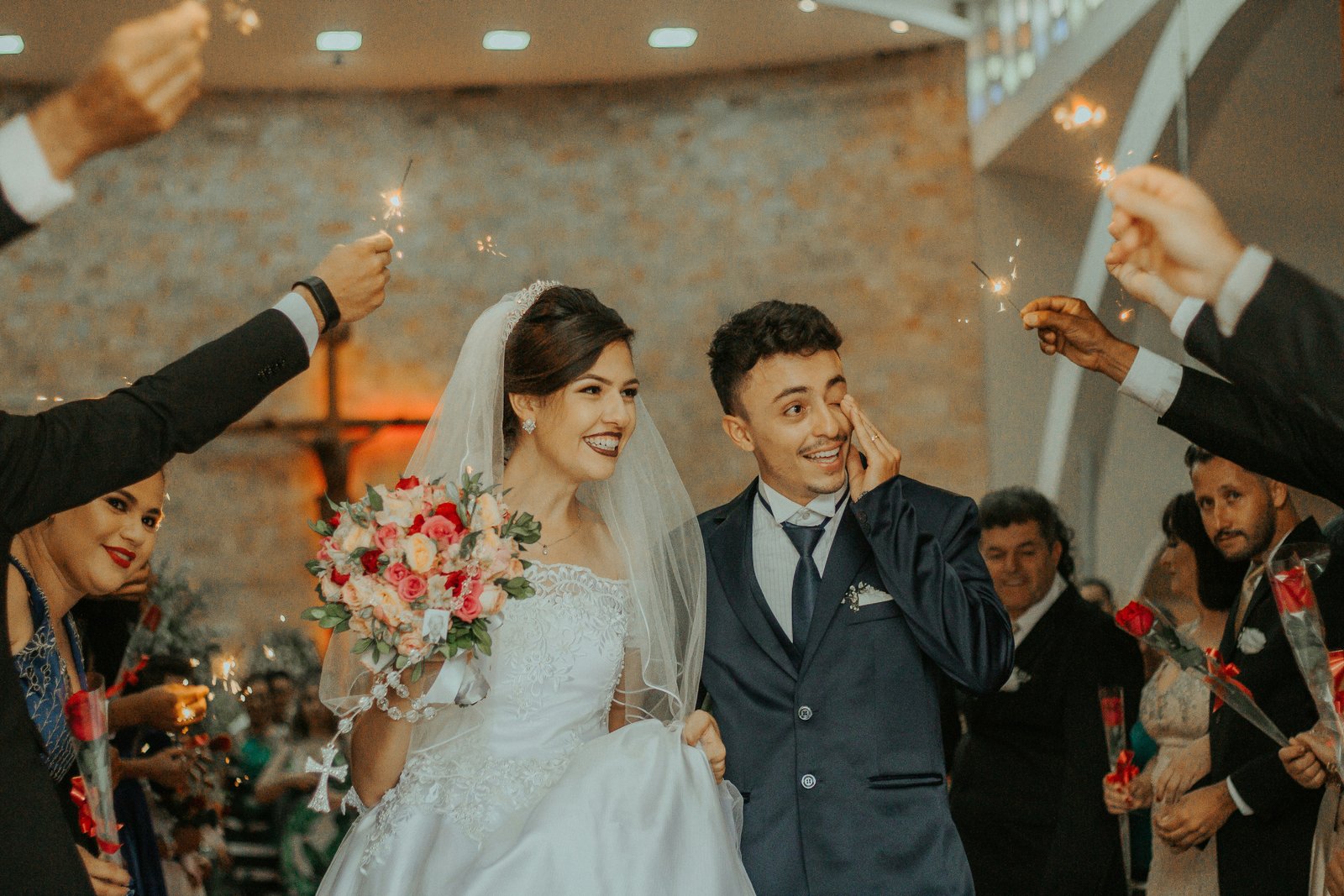
This generation is investing heavily in the ceremony itself, not just the party. Gen Z is 25% more likely to get married in a church than older generations, but often for aesthetic reasons rather than religious ones. The visual language of stone walls, vaulted ceilings, and candlelight aligns perfectly with the “dark romance” and “gothic cottagecore” aesthetics popular on platforms like TikTok and Pinterest.
This shift has created demand for entirely new vendor categories, including “ceremony scent designers,” “ritual and heritage researchers,” and “aura photographers,” with Google searches for “aura portrait” up 603% year-on-year. The focus is on crafting a unique, sensory experience for both the couple and their guests.
Rethinking the Reception
The champagne tower is being replaced by craft cocktails like the Hugo Spritz and Spicy Margarita, and the real wildcard, matcha. Searches for “wedding matcha” have increased by 747%. The guest list itself is also shrinking. Forty percent of unmarried Gen Z respondents envision a smaller, more intimate wedding, compared to just 19% who dream of a large, traditional affair.
The Cost of ‘I Do’
This reimagining is, in part, a response to skyrocketing costs. Gen Z is keenly aware of the financial burden that weddings place on everyone involved. The average wedding attendance cost in the UK is now £316 per person, or about ₦640,000. As many as one in eight guests have spent over £500 (over ₦1,000,000) on a single wedding. This financial pressure is a significant factor, with 48% of Gen Z and 43% of Millennials admitting to declining a wedding invitation due to cost concerns.
The financial burden is also changing guest behaviour, with 16% of people cutting back on leisure spending, and 11% recycling outfits to save money. However, wedding spending has still grown by 8.5% so far this year, as consumers continue to prioritize these major life milestones. The difference is that Gen Z is more intentional about where that money goes, focusing on the parts of the day they find most meaningful.
Conclusion
So, why are weddings everywhere if Gen Z is dating less? It’s because the dating drought is a different story than the marriage boom. Gen Z has shown that while they’ll get married much later than their parents but they are doing it in a way that reflects their values.
They are not following the script their parents wrote. They are writing their own—one that is more intentional, more personal, and focused on experience over tradition.