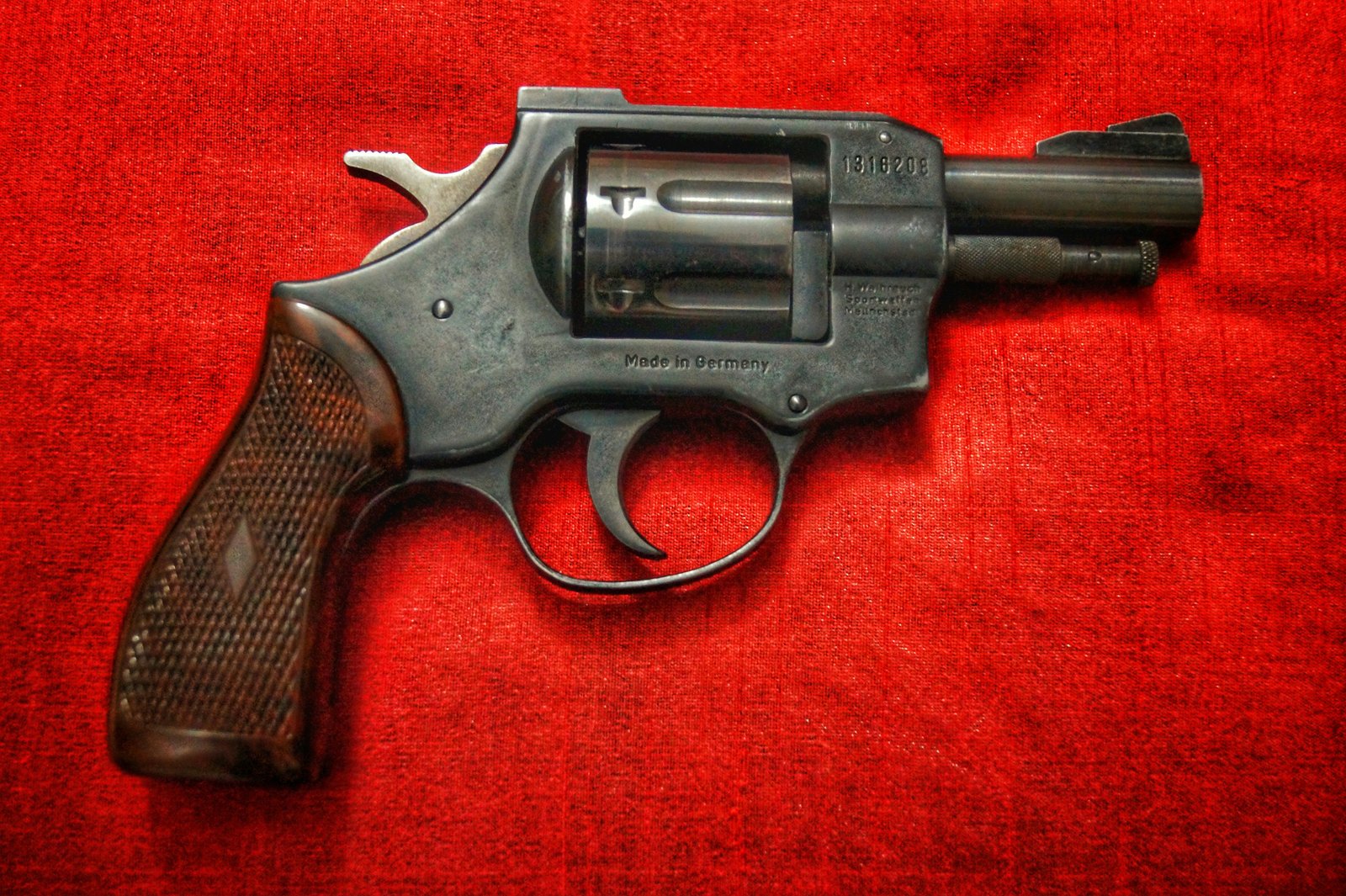

A major gun-rights appeal has been turned aside at the nation’s highest court, as the Supreme Court backs Maryland gun limits restricting where firearms can be carried in public. In an order issued Monday in Novotny v. Moore, the justices declined to review a challenge to Maryland laws barring guns in a wide range of public spaces, including schools, parks, government buildings, public transit, healthcare facilities, museums, and entertainment venues. By turning away the petition without comment from the majority, the Court left intact a 4th U.S. Circuit Court of Appeals ruling that upheld the disputed location bans.
”Sensitive Place” Bans, Historical Tests, and Justice Thomas’s Note
The dispute grew out of Maryland’s firearm restrictions, including expansions enacted in 2023 following the Supreme Court’s landmark 2022 Bruen ruling recognizing a Second Amendment right to carry firearms in public for self-defense. While a federal district court initially barred enforcement in certain areas such as public demonstrations and places serving alcohol for on-site consumption, the 4th Circuit later upheld the challenged restrictions under the Supreme Court’s historical-tradition standard, pointing to past Supreme Court precedents recognizing firearm limits in schools and government buildings as well as historical analogues for crowded or sensitive spaces.
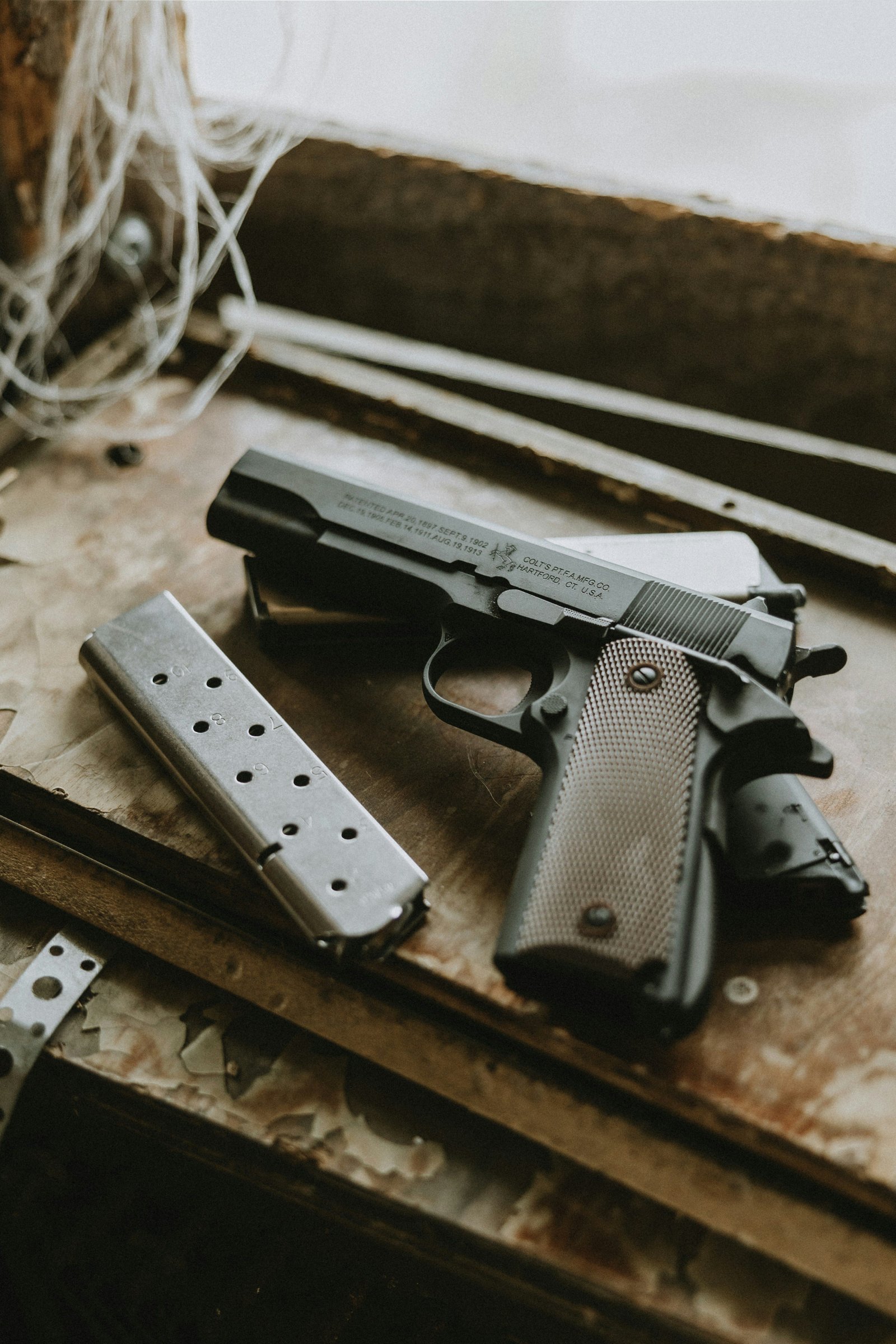
Maryland residents and gun-rights challengers argued that sweeping “sensitive place” bans leave too little room to carry firearms in everyday public life and urged the justices to clarify how lower courts apply historical analogies as states adopt differing rules. Maryland Attorney General Anthony Brown countered that barring guns in sensitive, confined, or crowded areas fits squarely within America’s historical tradition of firearm regulation. Although the Court declined to take up the broad challenge, Justice Clarence Thomas wrote separately to express skepticism toward sweeping “sensitive place” bans and signal openness to examining the issue in a future, more narrowly tailored case, even as the justices prepare to hear arguments on December 2 over state bans on semiautomatic rifles.
What Monday’s Order Means Going Forward
Monday’s decision means Maryland’s contested location restrictions remain in effect across the state while the broader constitutional debate over public carry continues to evolve.
While the justices have struck down certain broad carry restrictions elsewhere, such as Hawaii’s default rule requiring permission to carry onto private property open to the public, they have also upheld other firearm limits, including domestic violence restraining-order restrictions.
My View
Allowing states to set sensible limits on guns in places like schools, buses, trains, hospitals, and crowded public venues is basic common sense, not an attack on law-abiding citizens.
When families take children to school, ride public transit, visit a clinic, or gather in packed public spaces, people expect reasonable safety rules that keep tense situations from turning deadly. Claiming that every public space or crowded venue must be treated identically under a rigid reading of history ignores how modern cities actually function and how easily fear or conflict can spiral in tight quarters.
At the same time, legal clarity matters so citizens and lawmakers know where constitutional rights and legitimate safety rules meet. Leaving Maryland’s protections intact for now gives communities breathing room, while reminding courts that public safety in shared spaces deserves real weight alongside constitutional principles.