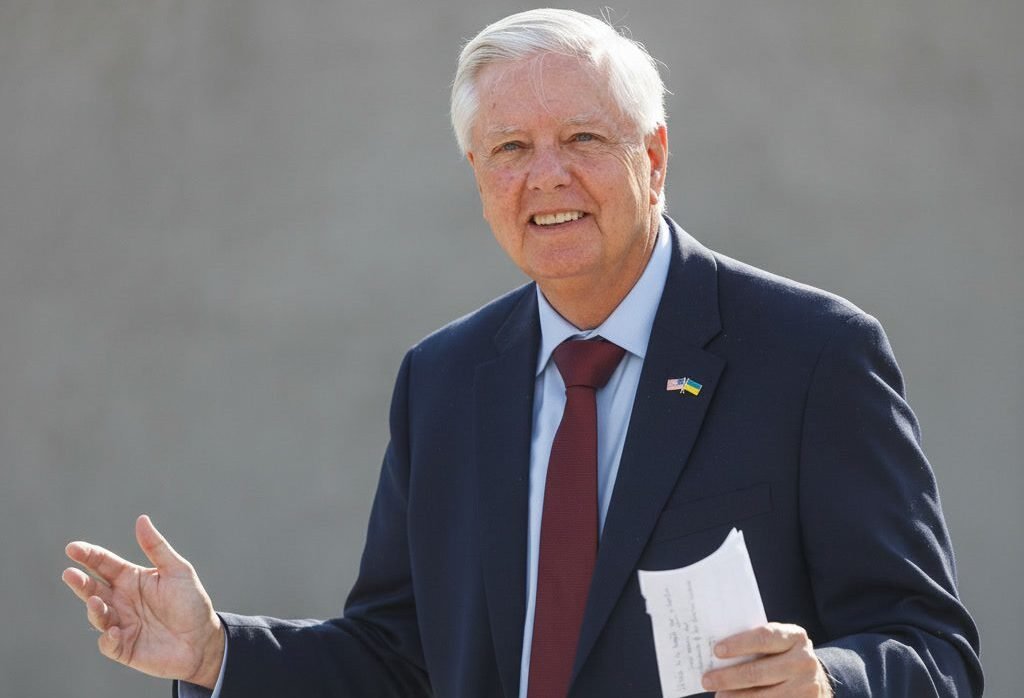

Just a day before his sudden passing, Senator Lindsey Graham was in Kyiv doing exactly what he has spent years doing: fighting fiercely for Ukraine. In his final hours, the South Carolina Republican was celebratory, revealing that he had secured a green light from the Trump administration to advance a major, aggressive sanctions bill aimed at crippling the Russian economy. It was his final bipartisan effort to penalize Russia by punishing global buyers of Russian oil.
The Details of the New Sanctions Bill
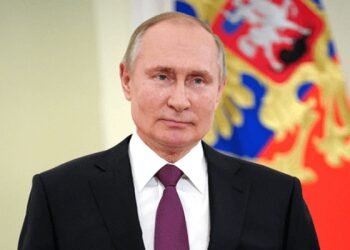
The legislation represents a major rise in the economic effort to counter Russia and its ongoing war machine. Lindsey Graham’s bill focuses on imposing severe financial consequences on third-party nations that continue to prop up Vladimir Putin’s economy by purchasing Russian fuel. Specifically, the package aims to create immense leverage over countries like India and China, which have become the top buyers of Russian oil since Western markets closed off. Before his sudden death, Graham expressed high confidence that the legislation would receive overwhelming support from both political parties, confidently noting that past versions had garnered up to 85 co-signers in the Senate.
A Rare Moment of Bipartisan Cooperation
This final push was a testament to old-school legislative teamwork. Lindsey Graham worked hand-in-hand with his Democratic colleague, Senator Richard Blumenthal of Connecticut, to craft the aggressive strategy.
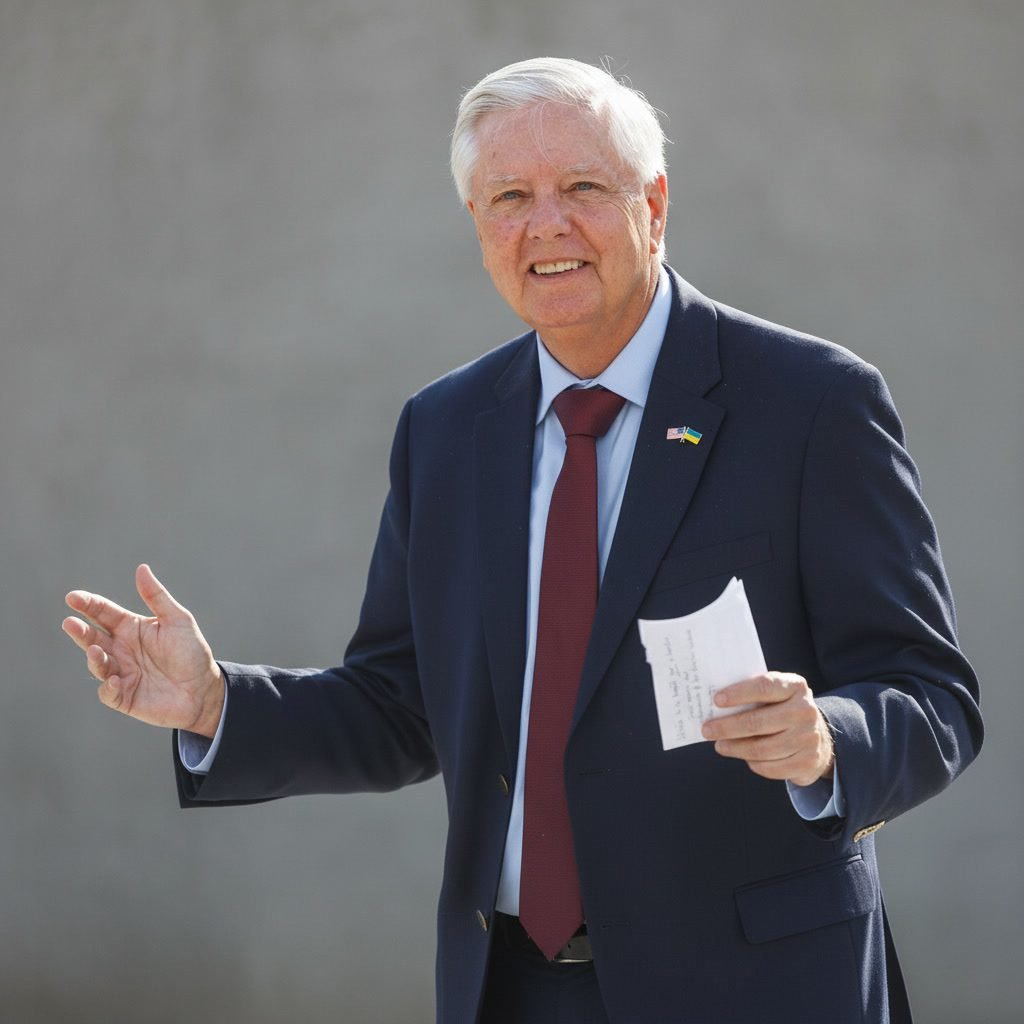
The two lawmakers had spent the last year traveling across Europe together, lobbying foreign leaders to mirror the upcoming American penalties and completely choke off funding for the war. This partnership heavily mirrored the cross-the-aisle alliances Graham used to form alongside his late best friend, Senator John McCain, proving that foreign policy could still bridge the political divide.
My Opinion
The sudden passing of Lindsey Graham leaves a complicated void in American politics, particularly when it comes to international relations. Whether you agreed with his aggressive, hawkish views or not, you had to respect his absolute relentlessness. He was an institutionalist who truly believed that America had an obligation to lead the world and protect its allies.
What made Graham so fascinating and often frustrating to watch was his unique ability to morph politically while keeping his core foreign policy goals completely intact. He went from calling Donald Trump “unfit for office” in 2016 to becoming one of the president’s closest golf partners and top advisers. Some called it political opportunism, but looking at this final sanctions bill, it looks more like a calculated strategy. Graham knew that to get anything done for Ukraine, he needed Trump’s blessing. He successfully convinced the administration to view the conflict through a lens of American leverage over China and India.
His death leaves a huge question mark over the future of international aid. With Graham gone, the isolationist wing of the Republican Party loses its most formidable opponent. It now falls on Senate leadership to decide whether to honor his memory by pushing this heavy package against Russia forward, or let his final legislative dream fade away.
Bottom Line
The unexpected loss of Senator Lindsey Graham marks the end of an era for traditional American foreign intervention. By spending his very last days securing a bipartisan agreement to push this sweeping sanctions bill, he made sure his final act was a direct strike against Russia’s economic lifelines. While Washington mourns the sudden death of one of its most influential figures, the fate of his unfinished work to protect Ukraine now rests entirely in the hands of a divided Congress.