
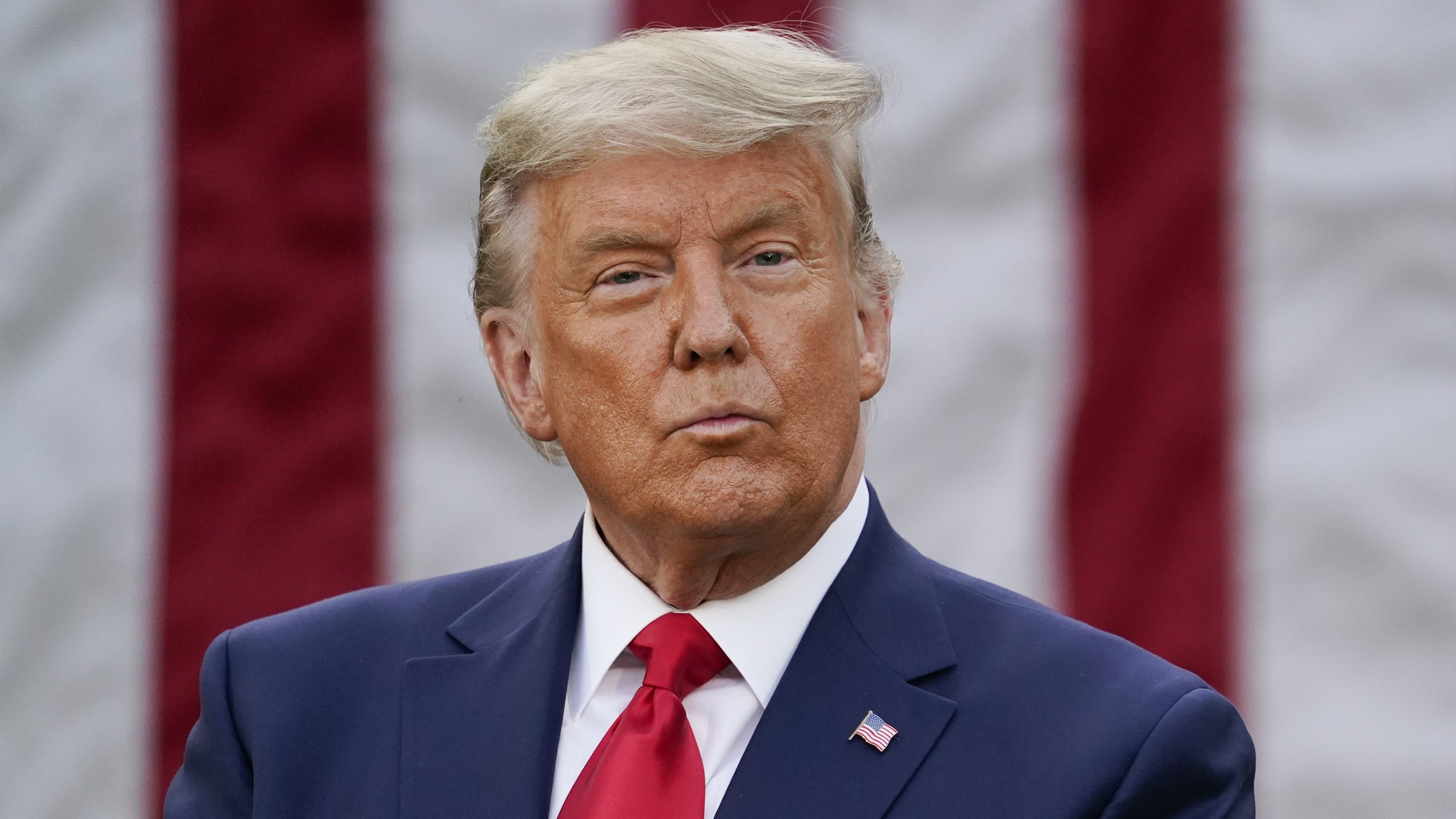
The idea sounds simple: bring world leaders to one table, end wars, restore calm. But President Donald Trump’s new Board of Peace is already doing the opposite. Before it has settled its first conflict, it has split its allies.
A Peace Table With a Price Tag
Trump’s Board of Peace is not just another diplomatic club. It comes with a price. According to its draft charter, countries can sit on the board for three years, but permanent membership comes only if they pay up to one billion dollars. That detail alone has changed how many countries see the project.
Supporters say the money is meant to fund peace-building work. Critics say it turns diplomacy into a marketplace, where influence goes to those who can afford it. For a world already divided by wealth and power, the message says, peace now has a subscription plan.
Trump at the Center of It All
Trump is not hiding his role. He is the chairman, the face, and the final authority. The board gives him veto power and the ability to remove members. In simple terms, it is peace guided by one man’s judgment.
The founding executive team includes familiar names: U.S. Secretary of State Marco Rubio, special envoy Steve Witkoff, former UK Prime Minister Tony Blair, and Trump’s son-in-law Jared Kushner. This mix of politics, diplomacy, and family has drawn quiet concern even among friendly governments.
Who Signed Up, and Why
Up to 25 countries have accepted the invitation so far. Many are Middle East allies of Washington, Israel, Saudi Arabia, the UAE, Qatar, Egypt, Jordan, and Bahrain. Turkey and Hungary, whose leaders enjoy close ties with Trump, are also on board.
Others come from outside Trump’s usual circle: Pakistan, Indonesia, Vietnam, Kazakhstan, Kosovo, Paraguay, and Uzbekistan. Armenia and Azerbaijan, fresh from a U.S.-brokered peace deal, have also joined, likely hoping to lock in Washington’s support.
Then there is Belarus. Long isolated over human rights issues and its closeness to Russia, its acceptance has raised serious questions. To some diplomats, this looks less like a peace project and more like a political reset button for countries seeking favor with Washington.
The Loud Refusals
Not everyone is buying into Trump’s vision. Norway and Sweden have openly declined. France is expected to say no, and Italy has raised constitutional concerns about joining a body led by a foreign president. Germany has made it clear its leader will not attend the signing ceremony.
These refusals matter. They show a deep discomfort among traditional U.S. allies, not just with Trump’s style, but with the structure of the board itself. Many see it as personal, political, and dangerously outside global norms.
Canada is sitting on the fence, saying yes “in principle” but still negotiating details. Britain and Japan are keeping quiet. Ukraine is openly uneasy, saying it cannot imagine sharing a peace board with Russia after four years of war.
Russia, China, and the UN Question
Russia and China have not joined. That silence is loud. Both countries hold veto power at the United Nations Security Council and have long defended the UN’s role in global peacekeeping. A new board led by Trump threatens that influence.
Trump insists the Board of Peace will not replace the UN, even saying the world body still has “great potential.” But many diplomats are not convinced. To them, the board looks like a parallel system, one controlled by money, loyalty, and U.S. power.
Power Without Clarity
One of the biggest problems is that no one really knows what the board can do. It has no clear enforcement power. It has no courts, no peacekeeping troops, no binding authority. Yet it gives its chairman sweeping control.
The board also overlaps with another new body, a Gaza Executive Board, which will help oversee a transitional administration in Gaza. Both boards share members, but how they will work together is still unclear. For something meant to reduce chaos, the structure already feels messy
Peace or Leverage?
Strip away the language, and a harder truth appears. The Board of Peace is not just about ending wars. It is about influence. It rewards alignment, loyalty, and payment. It punishes refusal with pressure, sometimes openly, as seen in Trump’s threat of heavy tariffs on French wine.
For some countries, joining is a shield. For others, refusing is a statement. Either way, Trump has succeeded in forcing the world to react on his terms.
A Dangerous Precedent
The real risk is not whether the board succeeds or fails. It is what it normalizes. If peace becomes something led by one powerful country, funded by billion-dollar fees, and shaped by personal relationships, then global diplomacy changes forever.
Inside Trump’s Pay-to-Peace Board is a bold idea, but also a troubling one. It asks the world to trust power over process, money over institutions, and one man’s promise over decades of shared rules. Whether that leads to peace or deeper division is a question the world may soon have to answer the hard way.