
In a sweeping act of national grief and political defiance, Venezuela’s interim government has declared a seven-day period of official mourning for its military personnel killed during the U.S. raid that captured President Nicolás Maduro, transforming the fallen troops into martyrs for a cause that now defines the nation’s resistance.
Acting President Delcy Rodríguez made the solemn announcement on Tuesday, framing the deaths not as casualties of a military operation, but as sacrifices in an “invasion” by a foreign power. While the Venezuelan government states “around two dozen” of its officers were killed, the full human toll is shrouded in the fog of a clandestine war, with Cuba separately announcing 32 of its own military and intelligence personnel also died in the assault.
A Continent United in Grief and Anger
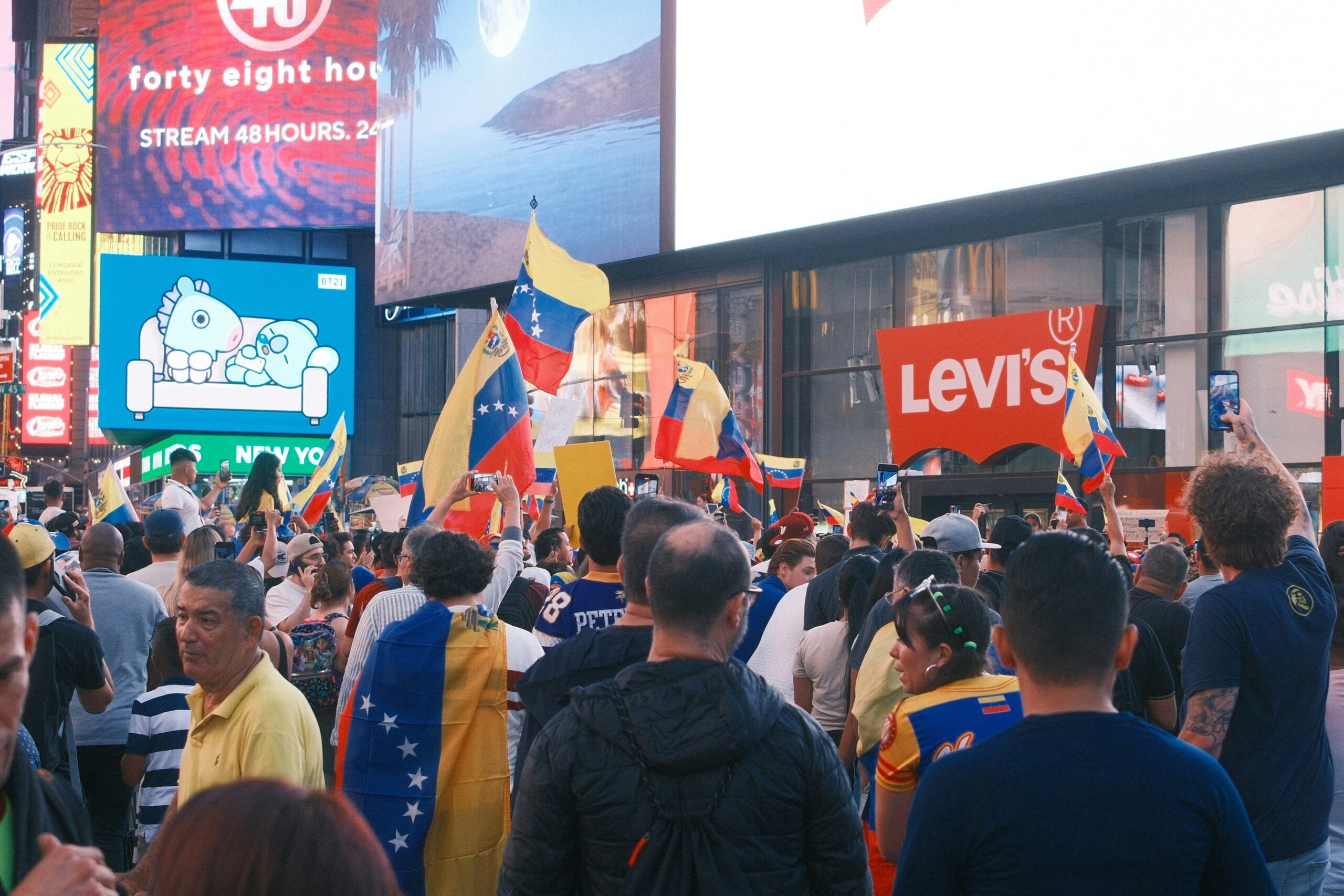
The mourning period serves a dual purpose: honoring the dead and solidifying a powerful political narrative. By declaring a week-long national tribute, the Rodríguez administration is orchestrating a spectacle of collective sorrow designed to unite the country against the United States and legitimize its own rule as the guardian of Venezuelan sovereignty.
The move echoes and amplifies the response from Havana, which declared two days of mourning for its fallen, revealing the depth of Cuba’s military entanglement in Caracas. Together, the announcements paint a picture of a broader, bloodier confrontation than initially disclosed, with Cuban and Venezuelan forces fighting side-by-side against American Special Forces in a battle for the presidential palace.
Why It Matters
For the interim government struggling to establish its authority after Maduro’s shocking capture, the fallen soldiers are a potent symbol. They are being recast not as defenders of a deposed dictator, but as heroes who died protecting the nation from a foreign aggressor—a narrative meant to fuel anti-American sentiment and rally support around Rodríguez’s fragile administration.
The week of mourning is more than a tribute; it is the opening salvo in a propaganda war. As the U.S. seeks to “run” Venezuela and install a friendly regime, the government in Caracas is responding by wrapping itself in the flag and the memory of its dead, attempting to ensure that every Venezuelan remembers the weekend’s violence not as liberation, but as a national funeral that demands vengeance.