American colleges and universities could see a significant drop in international student enrolment in Fall 2026 as tighter visa policies and uncertainty over immigration rules make the United States less attractive to students from abroad.
A new report by the NAFSA: Association of International Educators, in partnership with research firm JB International, projects that international enrolment could fall by about 110,000 students.
The decline could have a major economic impact, with the report estimating a loss of about $3.4 billion in local spending and roughly 39,000 jobs.
The report estimates that 1.169 million international students enrolled in US institutions during the 2025-26 academic year. That figure is projected to drop to about 1.057 million in 2026-27.
India remains the largest source of international students in the US, with more than 363,000 Indian students enrolled during the 2024-25 academic year.
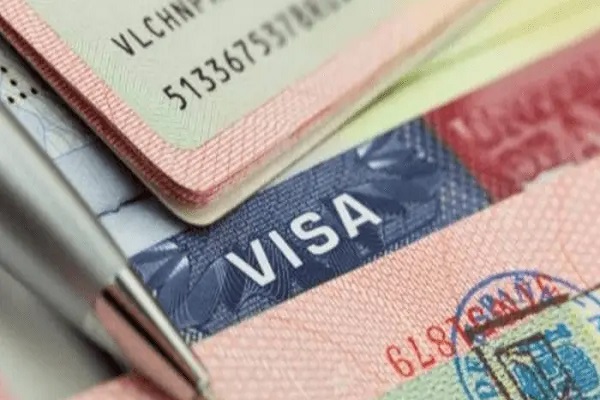
International students contributed an estimated $41.77 billion to the US local economy in 2025-26. However, that contribution is projected to decline to $38.37 billion in 2026-27 if the expected enrolment drop occurs.
Fanta Aw, Executive Director and CEO of NAFSA, said the projections demonstrate how immigration policies can influence where international students choose to pursue their education.
“The projections underscore what we’ve long warned: US policy and regulations affect where international students plan to invest their future – and their decisions carry significant short- and long-term consequences for US society and economy,” Aw said.
The report attributed the expected decline partly to stricter travel policies and changes in visa processing priorities.
It noted that the Department of State is expected to prioritise visa applications for visitors attending the 2026 FIFA World Cup, potentially affecting the processing of student and scholar visas during a period when universities typically prepare for new academic sessions.
In previous years, student and scholar visa applications received priority during peak periods to help international students arrive on campuses on time.
The US government has also imposed travel restrictions affecting citizens of several countries, including Afghanistan and Yemen, citing security concerns.
Another development that could affect foreign students is a rule recently finalised by the Department of Homeland Security limiting international students to four years in the US unless they obtain an extension.
The policy could create difficulties for students enrolled in lengthy doctoral programmes and those hoping to remain in the country temporarily to work after completing their studies.
NAFSA warned that losing international students to countries with more welcoming immigration policies could affect not only universities but also healthcare, research and the wider economy.
“All Americans lose when international students and scholars are driven to more welcoming countries. Forfeiting the US position as the top destination for global talent hurts students, hospitals, research laboratories, the economies – and carries the real risk that the next big invention will not happen on US soil,” the organisation said.
The report added that declining graduate-level enrolment is expected to account for much of the projected economic loss, particularly at universities that traditionally attract large numbers of international students.