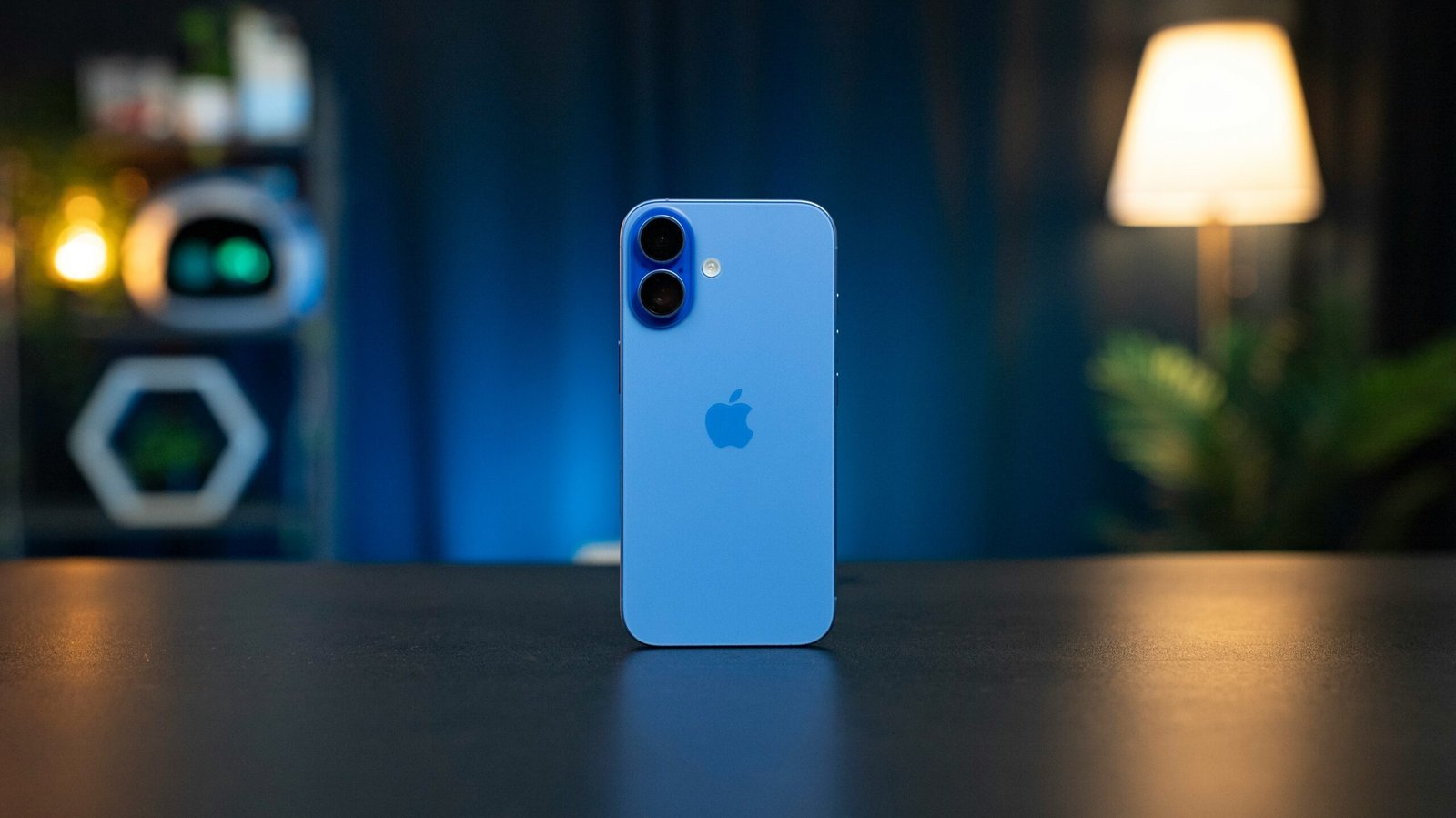

The introduction of Apple’s smartphone in 2007 helped lower US fertility rates, especially among teens and young adults, according to a new paper from Middlebury College economist Caitlin Myers and researcher Ezekiel Hooper.
For years, policymakers have scrambled to understand why birth rates keep falling in America and around the world. The usual suspects include birth control access, child care costs, and housing prices. But this new research points to something else: the device in your pocket.
The Experiment
The fertility rate in the US started falling in 2007. Initially, economists believed the 2008 financial crisis was to blame. People tend to have fewer babies in bad economic times.
But the economy rebounded after the recession. The birth rate did not.
Myers went back to 2007, when the iPhone launched, and found a natural experiment. At the time, the iPhone was available only on the AT&T network. The carrier held exclusive rights until 2011.
That allowed researchers to compare counties with AT&T mobile broadband coverage to counties without it.
The result? The birth rate started to plummet faster in counties with high levels of AT&T coverage.
“For every age group, we see evidence that the iPhone depresses fertility,” Myers said.
Why It Matters
The decline in US births has been particularly steep for teenagers and young adults. Smartphones changed how young people spend their time. They are increasingly likely to be alone — or to have interactions with friends happen online rather than in person.
“People just aren’t forming the relationships that result in children,” Myers said.
The researchers acknowledge they cannot completely rule out that areas with AT&T differed in other ways. But the evidence is compelling. A separate recent research paper also found a connection between the introduction of the smartphone and declining fertility worldwide.
The Political and Economic Stakes
The declining fertility rate is an economic concern. Fewer young people means fewer workers to support America’s rapidly growing population of seniors. It has also become a politically charged issue, with Republicans especially making it a focus.
Policy solutions have included baby bonuses, tax credits, better child care, and parental leave policies. But this research suggests there is no easy fix.
Perhaps the solution is for everyone to toss their phones into the sea. Myers is not optimistic.
“I don’t really see that happening,” she said. “Regardless of what one economist in Vermont thinks about it.”
The Bottom Line
A new study finds that the introduction of the iPhone in 2007 helped lower US fertility rates, especially among teens and young adults. Researchers compared counties with early AT&T iPhone coverage to those without and found birth rates fell faster where the device was available. Smartphones have changed how young people form relationships, leading to fewer pregnancies. The findings add to evidence that technology — not just economics — is driving America’s declining birth rate.