

Iran is sinking deeper into blood and fear as street protests spread and the death toll keeps rising. At the same time, President Donald Trump is openly weighing military action, a move that could turn Iran’s internal crisis into a wider war. While Tehran says it is ready for war, it also says talks with the United States are still open. This mix of threats and dialogue shows how close the situation is to breaking point.
Streets Filled with Anger and Bodies
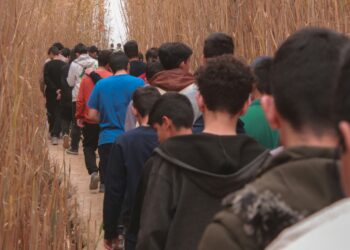
Protests that began as anger over high prices have now become a direct challenge to Iran’s clerical rulers. What started on December 28 as economic frustration has turned into loud calls for change across cities and towns.

A U.S.-based rights group, HRANA, says at least 572 people have been killed so far. Most of them are protesters. Security forces have also died. Over 10,000 people have been arrested in just two weeks. Iran has not released official figures, but the images coming out tell their own story.
Videos verified by reporters show rows of body bags at forensic centres in Tehran. Families gather, waiting to identify loved ones. Smoke rises from streets in cities like Mashhad. Fires burn. Explosions are heard. This is no longer a protest that can be hidden or ignored.
Internet Blackout, Silence By Force
The government has cut internet access since Thursday. This has made it harder to confirm numbers or follow events. But it also sends a message. Tehran wants control of the story, not just control of the streets.
State media focuses on damage to mosques, ambulances and public buildings. Officials say “terrorists” are behind the violence. The intelligence ministry claims it has arrested groups accused of killing loyal forces and burning religious sites.
This language is familiar. It shifts blame outward and avoids the main issue: a large part of the population is angry, desperate, and no longer afraid.
Trump Applies Pressure, Keeps Options Open
From Washington, Trump is speaking loudly. He says the U.S. may meet Iranian officials. He also says he is in contact with Iran’s opposition. At the same time, he is threatening action if the crackdown continues.
Trump has told advisers to prepare options. These include military strikes, cyber attacks, tougher sanctions and online support for protesters. A meeting with senior advisers is planned.
“Iran wants to negotiate,” Trump said, adding that a meeting could happen soon. But he also warned that action could come before talks if violence continues.
This balance of threat and diplomacy is risky. It keeps pressure on Tehran, but it also raises the chance of miscalculation.
Tehran Talks Peace, Prepares for War
Iran’s leaders are sending mixed signals. On one hand, Foreign Ministry officials say communication with the U.S. is open. Messages are being exchanged directly and through Switzerland. Foreign Minister Abbas Araqchi says Iran is open to dialogue.
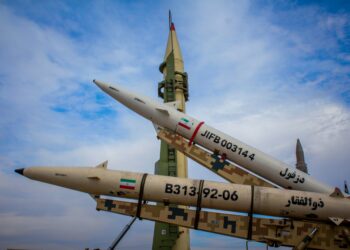
On the other hand, Iran is warning of retaliation. Parliament Speaker Mohammad Baqer Qalibaf said any U.S. attack would make American bases and Israel legitimate targets. That is not a small threat. It is a reminder that any strike could trigger regional conflict.
Araqchi insists the situation is “under total control.” He says internet services will return soon. But the scale of protests and the rising death toll suggest otherwise.
Despite the unrest, there are no clear signs of cracks at the top. The clerical leadership, the Revolutionary Guards and the security forces remain united. The opposition, meanwhile, is angry but scattered. There is no single leader or clear plan.
This makes change harder, but not impossible. History shows that pressure can build quietly before a sudden collapse. Still, many experts believe the system may survive, though weaker and more isolated.
Iran has already been struggling since last year’s war with Israel and the United States. Its regional allies are weaker. Its economy is strained. Now, internal unrest is adding to the weight.
A Dangerous Moment
Iran Bleeds as Trump Weighs Military Strike is not just a headline. It captures a fragile moment where blood on the streets meets power games at the global level. The Iranian people are paying the highest price, caught between a hardline government and foreign pressure.
If talks succeed, this crisis could cool down. If threats turn into action, Iran’s pain could spread far beyond its borders. Right now, the world is watching, waiting to see which path is chosen.