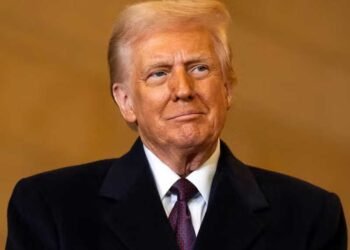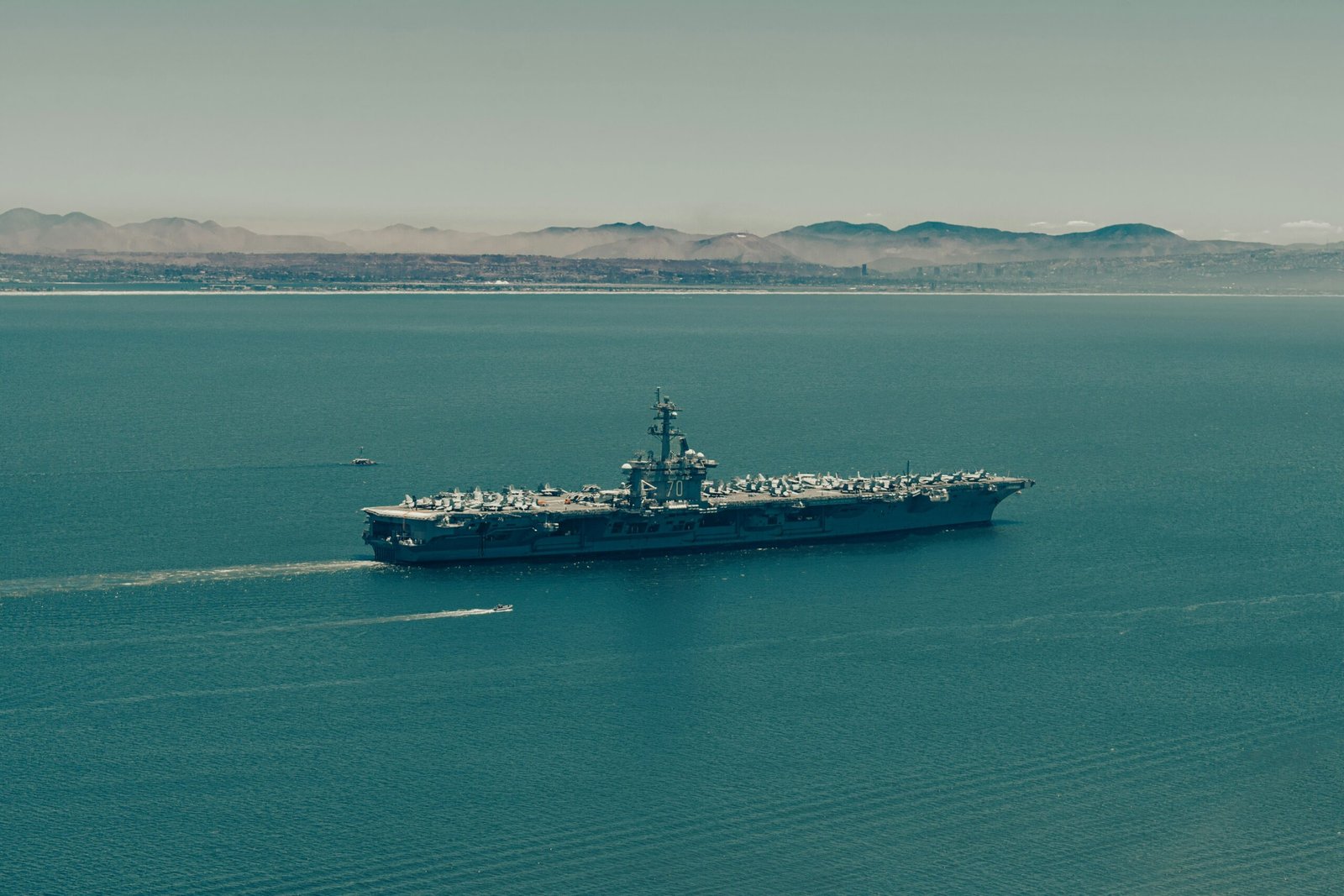

The Islamic Revolutionary Guard Corps just announced that the Strait of Hormuz is closed until further notice, a bold move that directly challenges the Trump administration and threatens to reignite a full-scale regional war. Iran claims the shutdown is a response to American interference in the waterway, following days of heavy trading of missile fire and military strikes between the two nations. This dramatic escalation effectively breaks the fragile ceasefire signed just last month, causing immediate panic over global oil prices and maritime security.
The Collapsing Ceasefire Agreement
This comes less than a month after a temporary peace deal was signed in June to end months of brutal fighting. The agreement was supposed to open up the channels and allow trade to resume smoothly. However, Iran has spent weeks trying to force commercial ships into strict, state-controlled corridors to collect hefty transit fees. When the Trump administration rejected these terms, demanding free and unrestricted access under international law, the deal began to fall apart. The situation boiled over when Iranian forces fired warning shots and disabled a civilian container ship, prompting the U.S. military to launch massive retaliatory military strikes against Iranian coastal bases.
A Direct Threat to Global Energy Markets
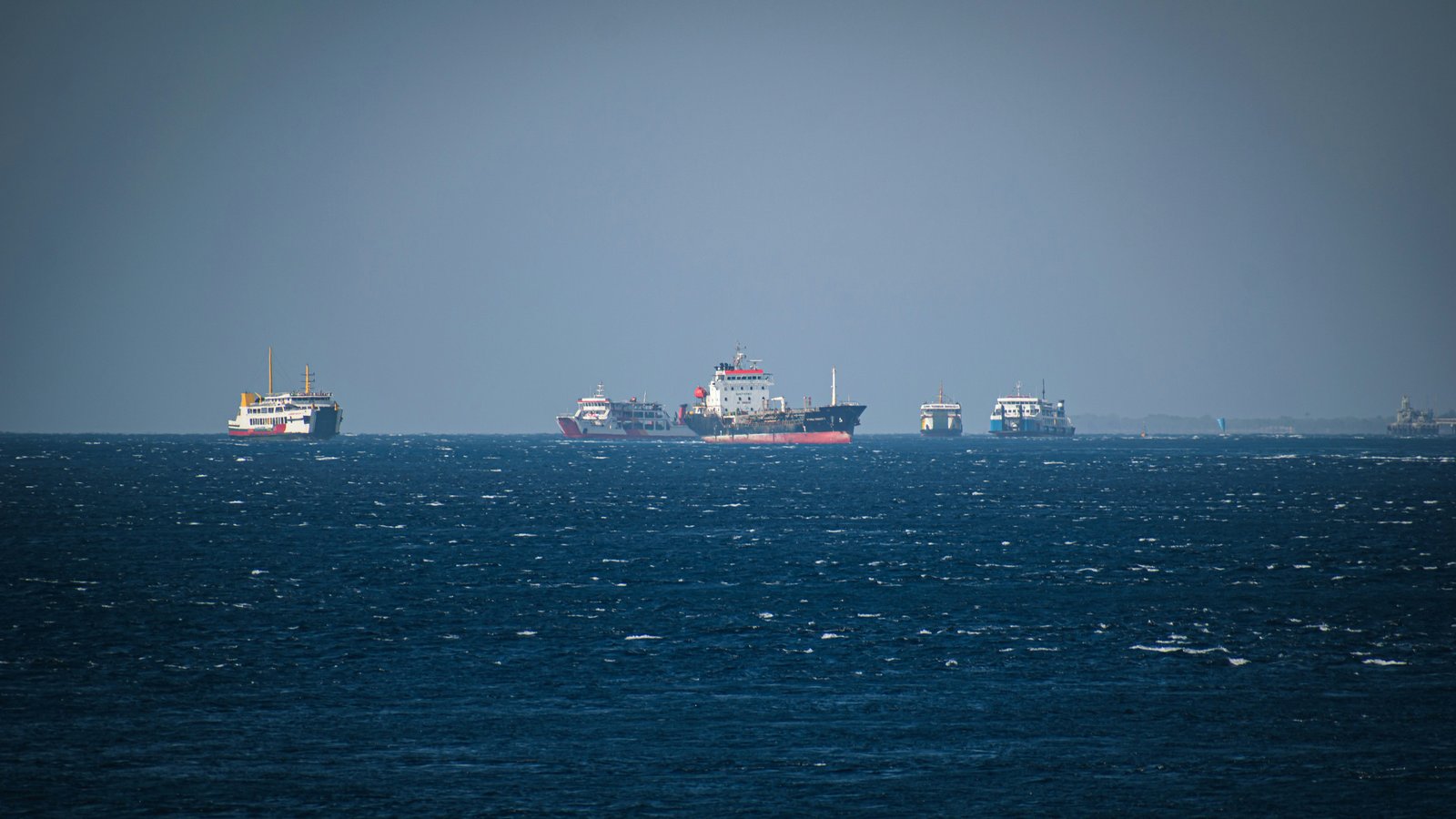
By locking down the Strait of Hormuz, Iran is intentionally squeezing the global economy. The strategic waterway is the world’s most critical maritime bottleneck, with nearly 20% of the world’s petroleum and liquefied natural gas passing through it daily. Shippers now have no choice but to halt traffic or take longer, incredibly expensive detours.
Analysts warn that an extended closure will cause global oil prices to skyrocket, a headache for President Trump as domestic gasoline costs directly impact upcoming political races.
My Opinion:
Iran feels emboldened right now. Even after losing their top leadership earlier this year, the regime wants to prove to the world that it still holds the keys to the global economy. By closing the gate, they are trying to force the U.S. to lift heavy economic sanctions.
On the flip side, the Trump administration has a history of favoring maximum pressure over compromises. Trump has already declared the previous truce “over” and ordered hundreds of strikes to degrade Iranian naval power. But military force alone cannot easily open a shipping lane if Iran can simply hide on the coastline and launch cheap drones at passing tankers. If Washington keeps pushing with more bombs, and Iran keeps blocking the ships, we are looking at a prolonged global energy crisis. Both sides are playing to their domestic audiences, but the rest of the world is going to pay the price at the pump.
Bottom Line
The decision by Iran to close the Strait of Hormuz has completely destroyed any hopes for a diplomatic fix. Tehran is giving the Trump administration a test. If the U.S. cannot find a way to restore freedom of navigation without triggering an endless war, the economic fallout from blocked trade and surging oil prices will felt by consumers worldwide.