President Donald Trump pulled back from launching major US strikes on Iran at the eleventh hour. The decision came late Saturday night after intense behind-the-scenes pressure from Middle Eastern allies and sudden progress in diplomatic talks. Trump posted on Truth Social that he agreed to hold off on military action because both sides agreed on the main outlines of a potential agreement.
How Intense Pressure Stopped US Strikes on Iran
The sudden policy shift followed a phone call between Trump and Saudi Crown Prince Mohammed bin Salman. Saudi Arabia, alongside regional powers like Qatar, the UAE, Turkey, and Pakistan, warned that U.S attacking Iranian energy targets would set off a dangerous regional war.
Tehran also sent a direct warning: any fresh attack by U.S or Israel would bring massive retaliation against energy facilities and oil fields across the Gulf. Facing the real risk of a wider economic shock, U.S chose to pause military operations.
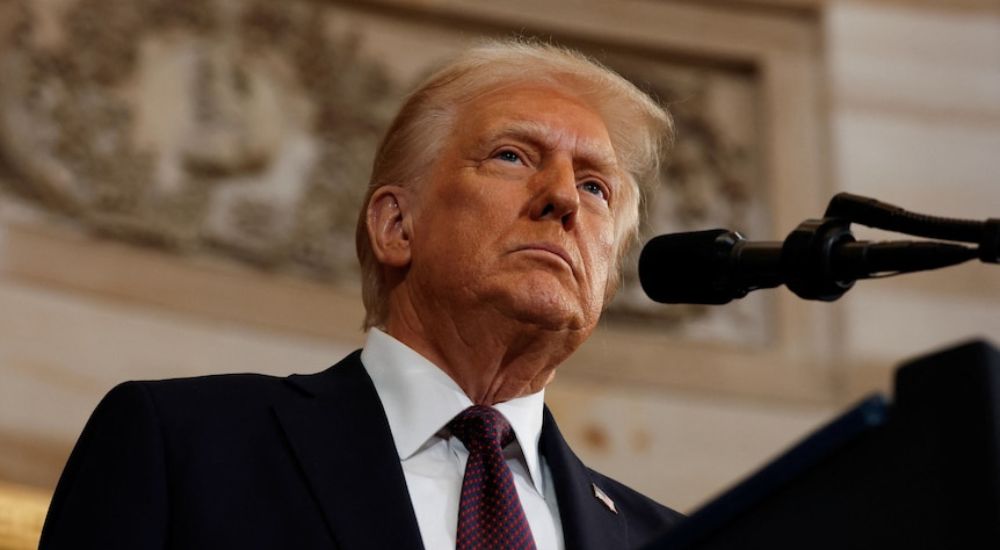
Key Conditions in the Ongoing Trump Iran Negotiations
The core of the proposed deal focuses on two major demands. First, Iran must allow the immediate and complete opening of the Strait of Hormuz to keep global shipping moving safely. Second, Tehran must commit to ending its nuclear threat under verifiable terms.
Trump made it clear that while he agreed to cancel the military operation for now, the pause depends entirely on reaching a quick, binding Iran peace deal.
My Opinion
Calling this a “blink” might sound harsh, but it accurately describes what happened over the weekend. Trump loves to build leverage by threatening “levels of strength not seen since World War II,” only to pull back when key allies point out the real-world costs.
Saudi Arabia and the neighboring Gulf states knew they would bear the brunt of Iranian retaliation. An attack on Iran’s oil fields would have triggered retaliatory strikes against Saudi, Qatari, and Emirati energy sites. That scenario would send global crude prices skyrocketing overnight and drag the global economy into chaos. Mohammed bin Salman made sure Trump understood that risk during their call.
At the same time, we should remain cautious about whether a lasting peace deal will actually materialize. We have seen this cycle before: U.S threatens force, regional mediators step in, talks resume for a few days, and then negotiations stall out again over details.
Opening the Strait of Hormuz is easy to promise on Truth Social, but resolving decades of nuclear mistrust requires detailed, verifiable agreements that take months to draft. Unless both sides are truly willing to make permanent compromises, this cancellation of airstrikes might just be a brief pause before the next crisis.
Bottom Line
For now, diplomatic talks have replaced military action. While the threat of US strikes on Iran still hangs in the background, regional diplomacy successfully forced both sides back to the negotiating table. Whether this turns into a lasting peace agreement or another temporary pause depends entirely on how fast negotiators can seal the deal.