
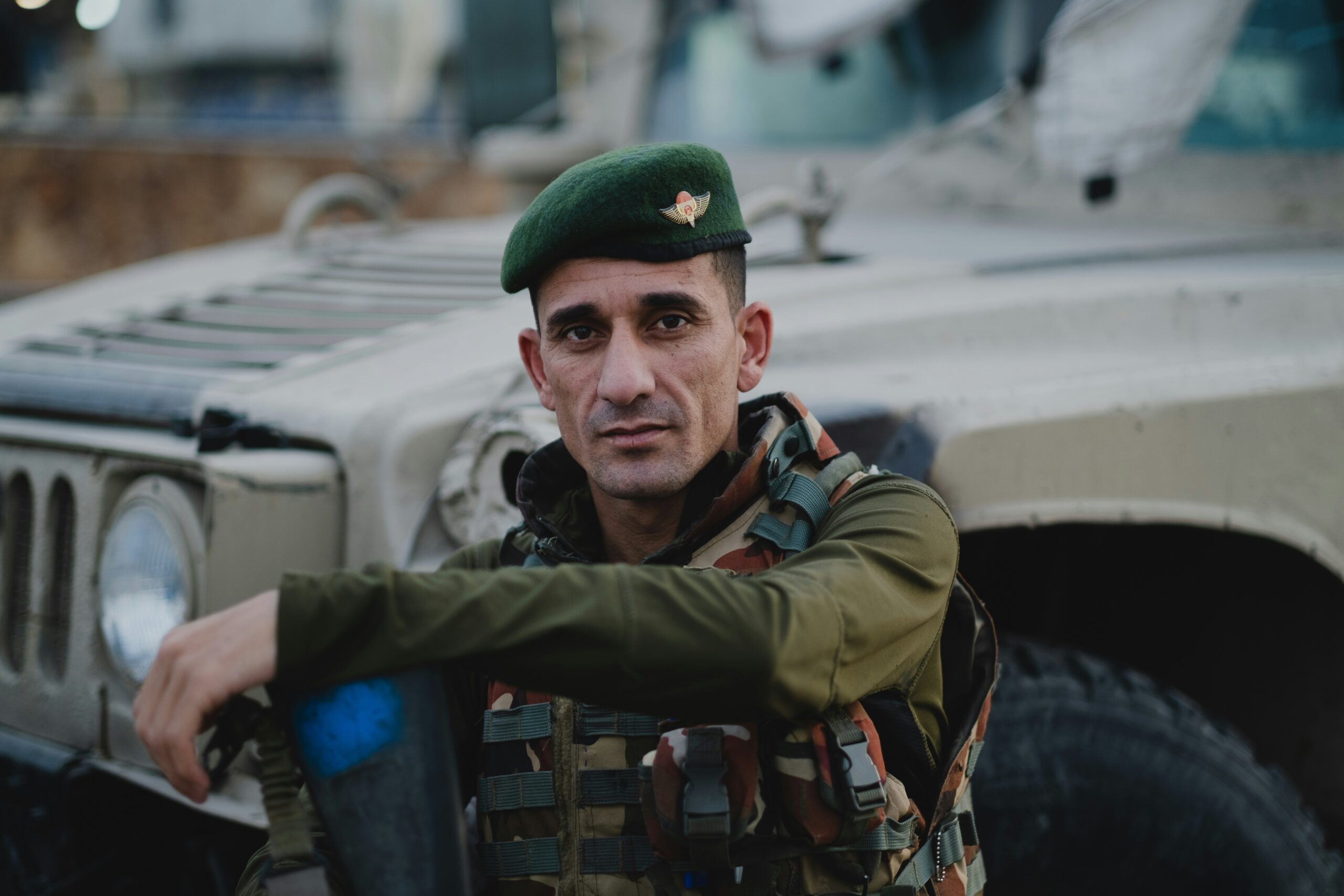
The Iraqi army has taken full control of the Ain al-Asad Airbase in western Iraq as U.S.-led coalition forces complete their withdrawal, marking a major step in Iraq’s push for sovereignty. The handover comes after years of American presence and repeated regional tensions, showing how Baghdad is now asserting itself in security matters while managing a complex relationship with Washington.
U.S. Withdrawal Marks End of a Long Chapter
For decades, Ain al-Asad Airbase has been a symbol of U.S. military influence in Iraq. It hosted American and coalition troops and served as a hub for operations across the region. The base was repeatedly targeted by Iran-backed militias, especially after the U.S. killed Iranian General Qassem Soleimani in 2020.
Now, Iraqi forces officially control the site. An Iraqi army colonel confirmed that only a handful of U.S. personnel remain for logistical reasons. While the exact timeline of the withdrawal is unclear, the plan originally called for hundreds of troops to leave by September 2025, with the rest exiting by the end of 2026.

This transition reflects years of negotiations between Washington and Baghdad, which began in 2024 with an agreement to move toward a bilateral security relationship rather than a prolonged foreign occupation.
Iraqi Army Steps Up Amid Regional Pressures
Taking full control of Ain al-Asad is more than a symbolic victory. It signals that the Iraqi military is now expected to defend key bases against both internal and external threats. Iran-backed groups have frequently challenged Iraq’s security, and with U.S. forces leaving, Baghdad must rely on its army to maintain stability.
The transfer also tests Iraq’s readiness to act independently. While the army is trained and equipped in part by the United States, the burden of protecting the country now rests firmly on Iraqi shoulders. Analysts note that how Iraq handles security in the coming months will shape the nation’s credibility and influence in the region.
Strategic Implications for the U.S. and Iraq
The withdrawal reflects a shift in U.S. priorities in the Middle East. With troops leaving, Washington signals that Iraq must now manage its own security while maintaining a partnership with the United States. This also reduces direct exposure to attacks from militias and regional actors.
For Iraq, the move is both an opportunity and a challenge. Controlling Ain al-Asad gives the army more autonomy but also places them in the spotlight. Every decision, from defending the base to coordinating with neighbors, will be closely watched by allies and adversaries alike.
A New Era for Baghdad
The exit of U.S. forces from Ain al-Asad marks a turning point in Iraq’s post-occupation history. The army’s full control symbolizes sovereignty, yet it also highlights the risks Iraq now faces without the direct military presence of the United States.
The coming months will reveal whether Baghdad can maintain security independently and navigate a delicate regional environment. The Iraqi army has stepped into a position of responsibility that will test its strength, strategy, and political resolve like never before.
This is a moment for Iraq to define its future, balancing independence, alliances, and the challenges of a volatile neighborhood.