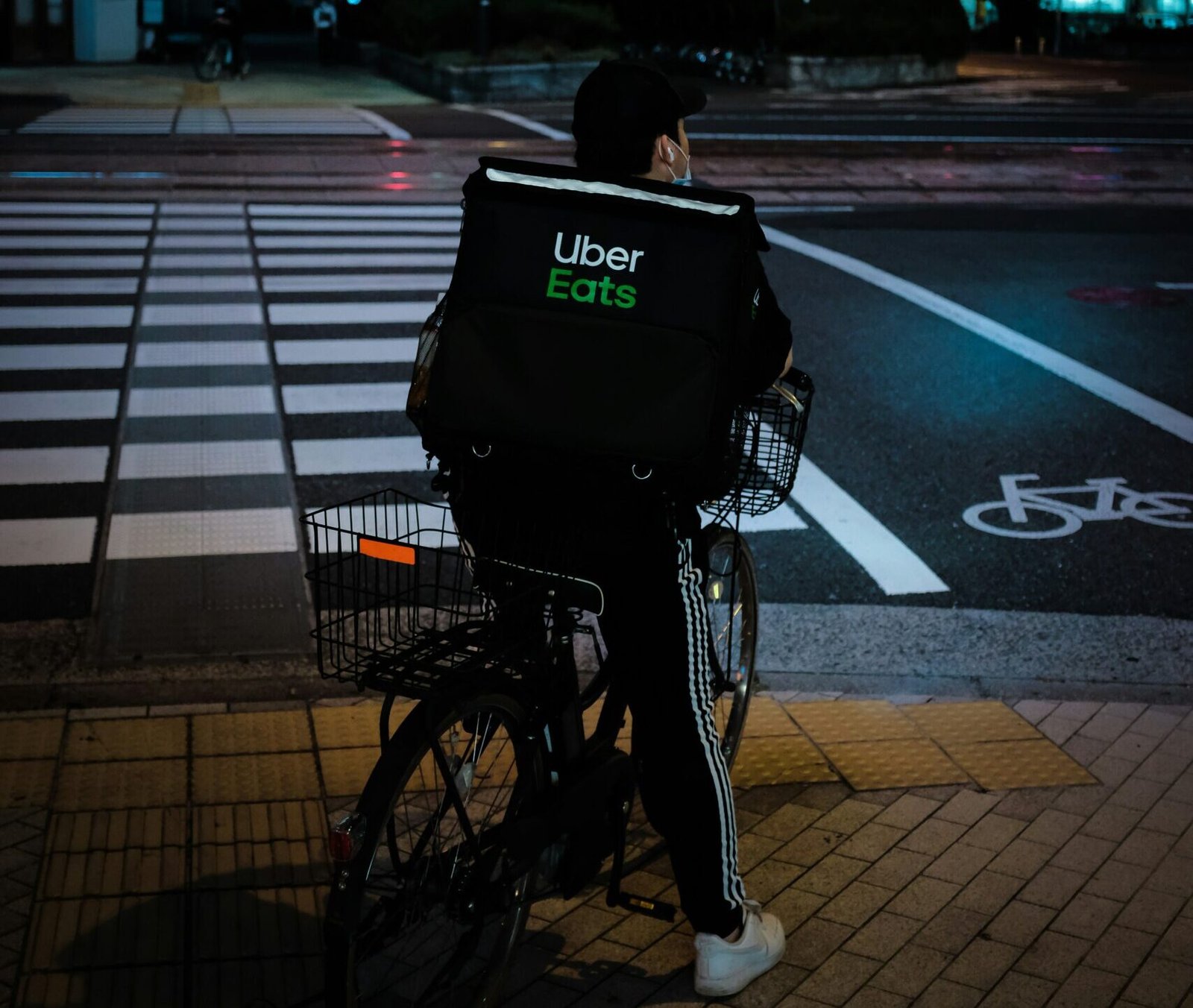

For many in Baltimore, 1 a.m. is the “witching hour” for a side hustle. It’s when the bars close, late-night cravings hit, and the surge pricing makes the risk feel worth the reward. But for a 40-year-old Uber Eats driver at a McDonald’s in East Baltimore last week, that shift nearly became a statistic.
The reality for gig workers in the city is shifting from “hustle” to “survival.” While the apps promise flexibility, the streets offer no such guarantee, especially when the sun goes down.
The McDonald’s Ambush
On April 23, just after 1 a.m., the Charles North neighborhood became the scene of yet another targeted attack on a delivery driver. The victim was simply doing his job at the McDonald’s on West North Avenue, a well-lit, high-traffic spot, when he was confronted and robbed.
Baltimore Police have released surveillance images of the suspects, but the damage is already done. For the victim, it was a terrifying encounter; for the city’s fleet of independent contractors, it was a loud and clear warning.
A Hunting Ground for Low-Hanging Fruit
Gig workers are uniquely vulnerable. They work alone, they are often distracted by their phones while navigating, and they frequently carry cash or electronics. Criminals know this. In a city where quick cash is a primary motivator for street crime, an Uber Eats or DoorDash bag is essentially a neon sign for a target.
This isn’t an isolated incident. Across Baltimore, drivers are reporting a “new normal” where they have to weigh a $10 delivery fee against the possibility of losing their car, their phone, or their life. Areas like Charles North are seeing a spike in “transactional” robberies where drivers are hit during the hand-off or while waiting for orders. Metro Crime Stoppers is offering up to $4,000 for tips leading to an arrest, a sum that ironically dwarfs the average weekly earnings of the drivers they are trying to protect.
The Apps Are Failing Their Front Line
If you’re a gig worker in Baltimore, you aren’t just a delivery person; you’re a gambler.
The real problem here is the lack of accountability from the tech giants. Companies like Uber and DoorDash rake in millions from these late-night orders, but they provide almost zero security infrastructure for the people actually doing the work. They have “safety buttons” in an app, but as anyone who has been held up at a McDonald’s drive-thru knows, a digital button is useless when there’s a gun in your face.
Baltimore’s leadership is also to blame. We see a lot of talk about “supporting the workforce,” but when a 40-year-old man can’t pick up a burger for a customer without being hunted by a pack of suspects, the system is broken. If the city can’t guarantee safety during a routine business transaction, they are essentially telling gig workers, “Work at your own peril.”
Should delivery apps be forced to provide hazard pay or security for late-night shifts in high-crime zones, or is the risk simply part of the “gig”?