

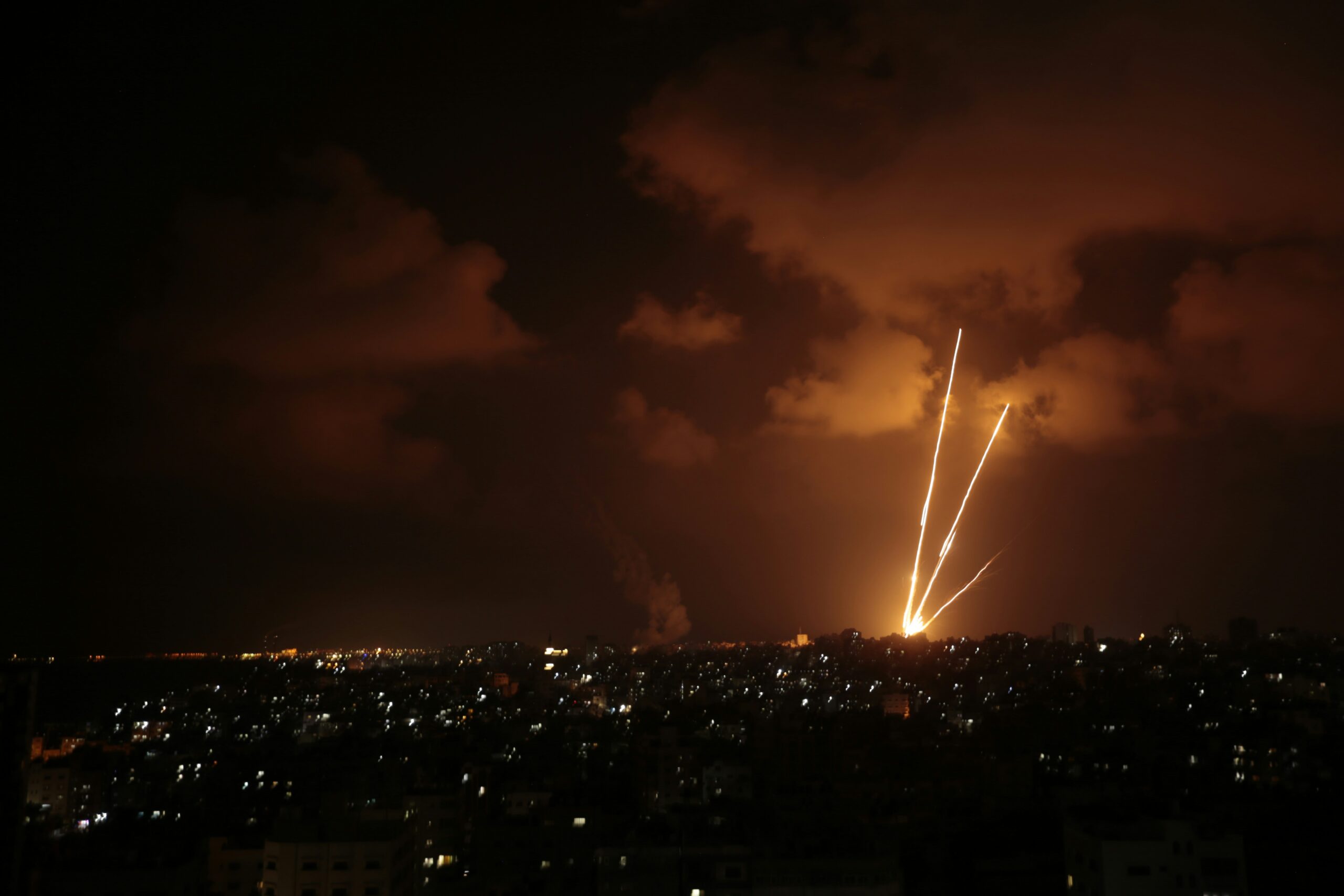
As millions of Iranians gathered to celebrate Nowruz—the Persian New Year, a holiday of renewal and family—the skies over Tehran erupted in explosions.
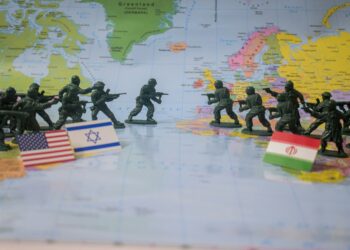
Israel launched airstrikes on the capital and several other Iranian cities overnight, choosing the most sacred night in the Iranian calendar to deliver its message. The timing was not accidental.
The strikes came as Iranians marked the first moments of spring, a time when families stay up late, set firecrackers, and welcome the new year. Instead of celebration, the night brought blasts, sirens, and the sound of interceptions over Tehran.
Why Nowruz?
Nowruz is the most important holiday in Iran, rooted in Zoroastrian traditions and celebrated across the Persian-speaking world. It is a time of family gatherings, travel, and symbolic renewal. Security is typically relaxed. Attention is elsewhere.
For Israel, the choice was strategic: strike when defenses are distracted, when leadership is focused on holiday rituals, and when the psychological impact of shattering a night of joy could be maximized.
Israeli officials did not publicly comment on the timing, but military analysts noted the symbolism. “This wasn’t just a military operation,” said one regional security expert. “It was a message: nowhere, no time, is safe.”
The Target
Initial reports indicate strikes hit military and infrastructure sites across multiple provinces, including Tehran, Isfahan, and Karaj. Explosions were also reported near nuclear facilities in Natanz and Fordow, though Iran’s atomic energy organization said no nuclear sites were damaged.
The attacks follow a pattern of Israeli operations aimed at degrading Iran’s missile programs and nuclear infrastructure. But striking on Nowruz marked an escalation—both in timing and scale.
Regional Fallout
The attacks triggered a wave of Iranian retaliation across the Gulf. The United Arab Emirates, Kuwait, Saudi Arabia, and Bahrain all reported missile or drone attacks overnight.
In Kuwait, state media confirmed a drone strike at a major oil refinery caused a fire. Damage is being assessed, and production has been temporarily halted.
Qatar’s energy minister announced that the country’s liquefied natural gas export capacity will be reduced by 17% over the next five years as a result of an Iranian attack on the Ras Laffan facility—one of the world’s largest LNG export hubs.
The strikes have effectively closed the Strait of Hormuz, the narrow Gulf chokepoint through which nearly 20% of global oil passes. Several tankers have been struck or diverted.
A Temporary Pause?
In a late-night statement, Israeli Prime Minister Benjamin Netanyahu said Israel would “hold off” attacks on Iranian gas fields after being asked to do so by President Donald Trump. The White House confirmed the request, signaling a desire to limit escalation while still allowing Israeli operations against military and nuclear targets.
But the pause may be temporary. Israeli defense officials said operations would continue “as long as necessary” to prevent Iran from obtaining nuclear weapons.
The Human Toll
For ordinary Iranians, the strikes shattered what was meant to be a night of celebration.
“I wish everything could be wiped from our memories like we just woke up from a bad dream,” one Tehran resident told the BBC, speaking on condition of anonymity for fear of reprisal.
Many had planned to mark Nowruz with family, some traveling across the country to be with loved ones. Instead, they spent the night in basements or watching the sky, waiting for the next explosion.
“Nowruz is supposed to be about new beginnings,” said a woman in Isfahan. “This is not the beginning we wanted.”
What Comes Next
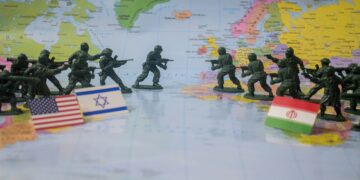
Israel has signaled that its campaign against Iranian nuclear infrastructure will continue. Iran has vowed “unrestrained retaliation” and warned that all U.S. and Israeli assets in the region are legitimate targets.
The region now braces for what comes next. The United States has deployed additional warships to the Gulf. Israel has activated its air defense network, and Iran has moved missile batteries into launch positions.