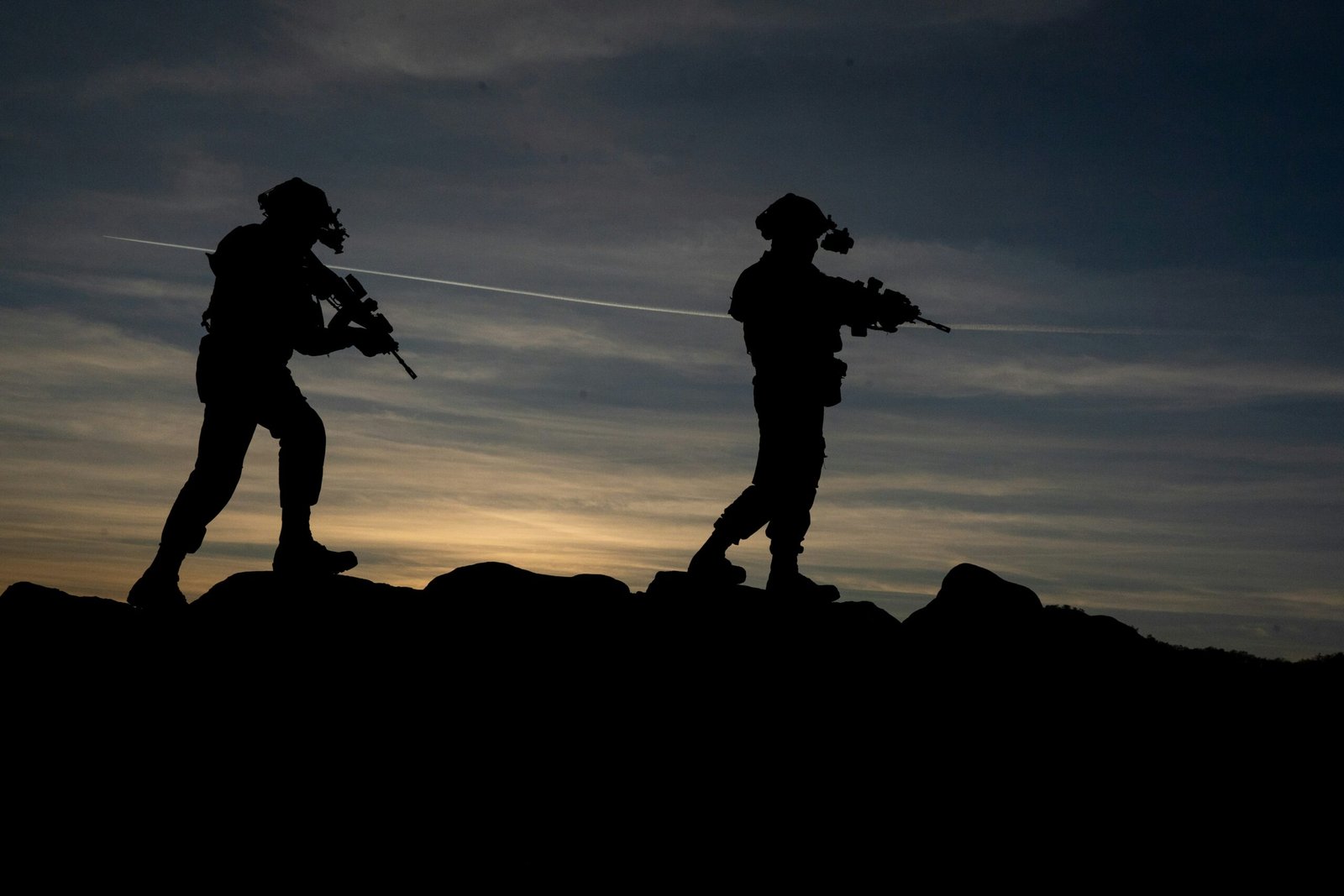

Despite the U.S.-mediated ceasefire that took effect last Thursday, the situation in Southern Lebanon has shifted from active combat to an entrenched occupation. The Israeli military released updated maps on Monday, drawing a literal “red line” through 21 villages and warning residents of 50 others not to return to their homes.
The “No-Go” Zone
The Israeli military’s order effectively bars Lebanese civilians from a 5–10 km deep strip of land along the border. Authorities warned that approaching the Litani River, a strategic waterway roughly 30 km north of the border—is strictly “not allowed.” Lebanese officials report that Israeli forces have carried out varying degrees of destruction in 39 occupied villages since the truce began. While Israel claims it is destroying Hezbollah infrastructure, senior Lebanese politician Ali Hassan Khalil labeled the leveling of civilian homes a “clear war crime.”
The Religious Flashpoint
The fragile peace was further strained on Monday by a viral photo showing an Israeli soldier smashing a crucifix in a southern Lebanese Christian home. The act was swiftly denounced by U.S. and Israeli officials, as well as church leaders, who fear it will inflame sectarian tensions in a region already devastated by the conflict that has killed nearly 2,300 people since March 2.
Diplomatic “Second Round”
While the ceasefire is scheduled to expire Wednesday, a second round of high-level diplomatic talks is set for Thursday in Washington. Lebanese President Joseph Aoun has appointed Simon Karam, the former ambassador to the U.S., to lead the talks. The militant group remains fiercely opposed to direct contacts with Israel, maintaining its “right to resist” the occupation.
The Cost of “Economic Fury”
The impact of the war is being felt far beyond the border. In the U.S., CEOs of low-cost airlines are pleading with Washington for tax relief as the ongoing naval blockade in the Gulf and the war in Lebanon have caused jet fuel costs to soar.
As Israel entrenches its hold on the south and Hezbollah continues to report hits on Israeli tanks, the “10-day ceasefire” looks less like a path to peace and more like a tactical repositioning for a much larger conflict.
Is Israel’s creation of a “buffer zone” a necessary security measure to protect its northern citizens, or is the systematic destruction of Lebanese villages a violation of the ceasefire that will inevitably lead to a total resumption of war on Wednesday?