
Nigeria’s aviation industry is on the edge of a cliff. And the government is racing to pull it back.
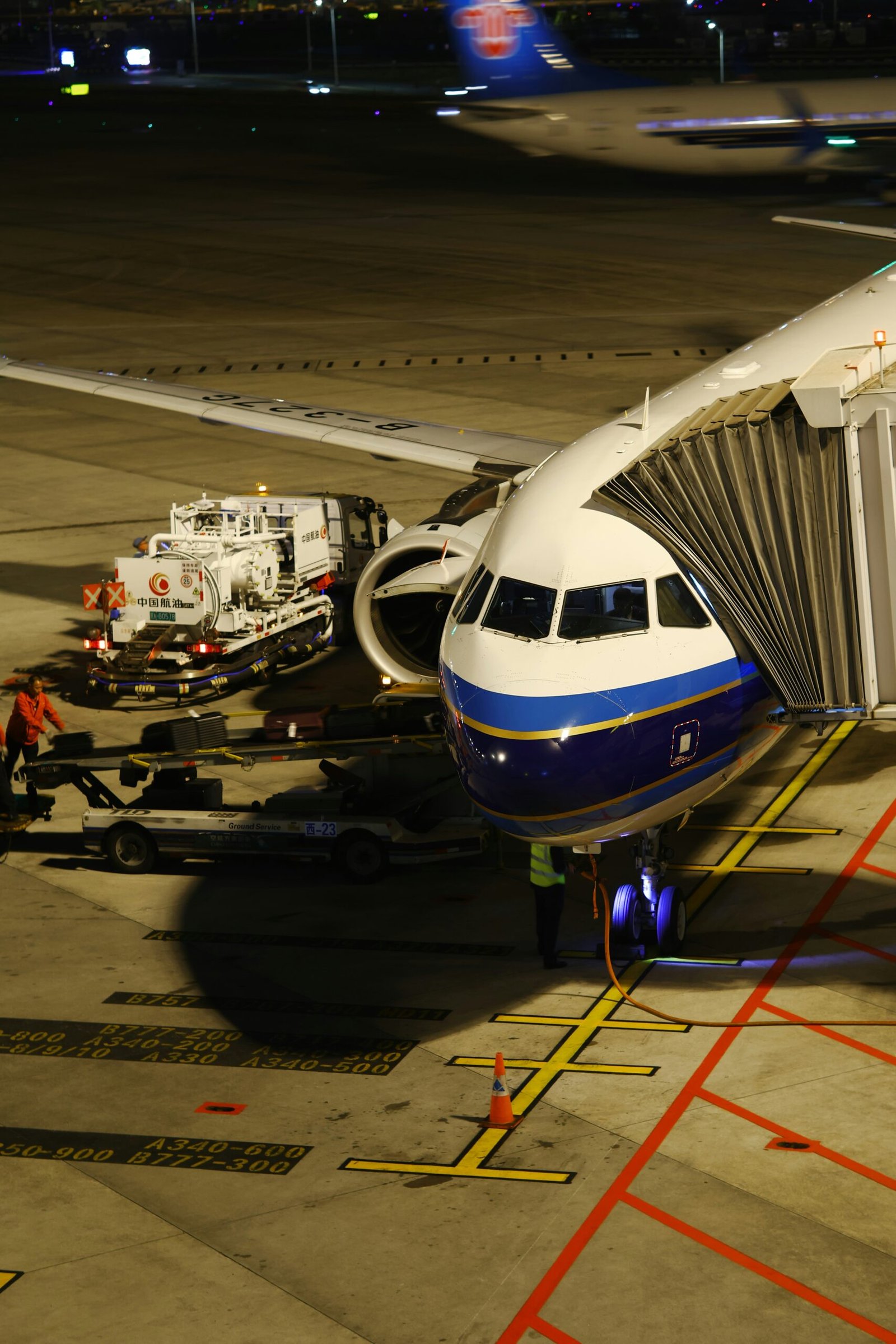
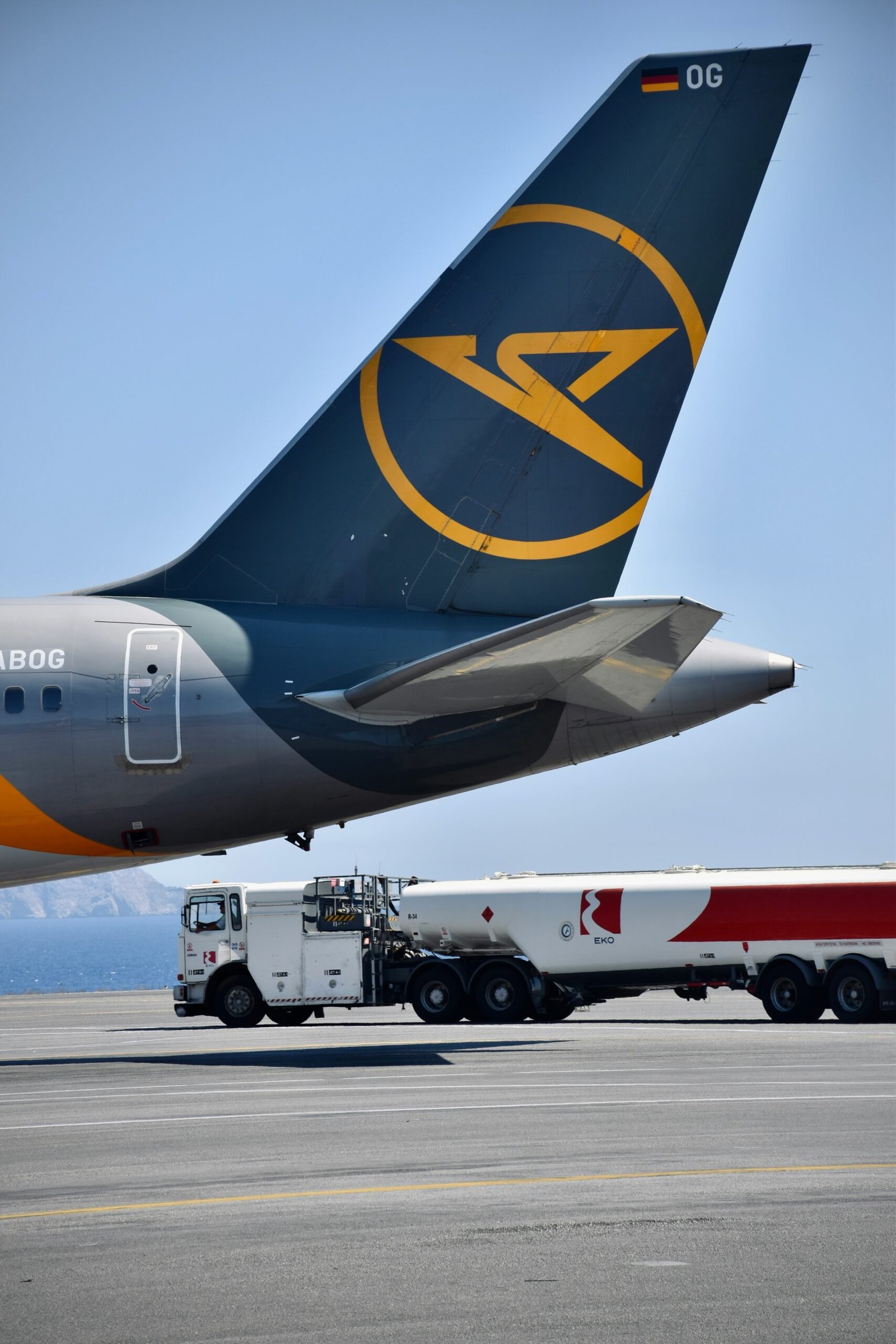
The price of JetA1, the fuel that powers every commercial flight in the country, has exploded. From N900 per liter, it has surged past N3,000 — a staggering 300 percent increase. Airline operators have had enough. Their threat is simple: shut down services or hike airfares to unsustainable levels. Either way, Nigerian travelers will pay the price.
The government’s response? An emergency meeting.
The Minister of Aviation and Aerospace Development, Festus Keyamo, announced a high-level stakeholders meeting scheduled for April 22, 2026, in Abuja. In a letter to airline operators dated April 16, Keyamo assured that the federal government would intervene to avoid the collapse of the sector.
“I wish to formally assure you that the concerns raised by your members have received the full attention of the federal government and we shall take immediate steps to address the issues,” Keyamo wrote. The meeting will bring together “all relevant stakeholders and regulatory authorities with a view to achieving a prompt, practical, and sustainable resolution.”
The venue and time will be communicated in due course. That is the only detail still missing. Everything else is already on fire.
The Numbers That Explain the Crisis
JetA1 is not a luxury. It is oxygen for the aviation industry. Without it, planes do not move. Airlines do not operate. Passengers do not travel.
When JetA1 was N900 per liter, airlines could still calculate their margins. At N3,000 per liter, those calculations become impossible. The 300 percent increase does not just raise costs. It obliterates them. Fuel is already the single largest expense for any airline. When that expense triples, the business model breaks.
Airline operators have been clear about their options. Neither is attractive. A shutdown would ground the industry entirely, stranding passengers and halting commerce. A significant airfare hike would push flying out of reach for millions of Nigerians, turning aviation into a luxury only the wealthy can afford.
The government is now trying to find a third option. The emergency meeting is evidence that it does not yet have one.
The Government’s Position
Keyamo’s letter is careful. It promises “prompt, practical, and sustainable resolution” without specifying what that resolution might look like. The government could subsidize JetA1 prices. It could pressure fuel suppliers to reduce margins. It could offer tax breaks or waivers to airlines. It could do nothing and let the market adjust — though that outcome would likely mean mass shutdowns.
The minister’s assurance that the sector will not be allowed to collapse is politically necessary. An airline shutdown would be a disaster for the government. It would strand travelers during a period of already-high economic stress. It would signal that the administration cannot manage critical infrastructure. And it would hand opposition politicians a powerful weapon ahead of 2027.
But assurance is not a solution. The government has days to produce one.
The Deeper Problem
The JetA1 crisis is not happening in isolation. It is a symptom of Nigeria’s broader energy dysfunction. The country is a major oil producer. It refines very little of its own crude. It imports refined products, including JetA1, at international prices. When global prices rise, Nigerian airlines suffer. When the naira weakens, they suffer more. When logistics break down, they suffer most.
The government has talked about fixing Nigeria’s refineries for decades. The Dangote Refinery was supposed to change the calculus. It has not. Not yet. And until domestic refining capacity matches domestic demand, Nigeria’s aviation industry will remain hostage to global markets and exchange rate volatility.
The emergency meeting on April 22 is a response to a symptom, not a cure for the disease. The government can negotiate temporary price relief. It can broker a short-term deal between airlines and fuel suppliers. But unless the underlying structure of Nigeria’s fuel import and distribution system changes, the crisis will return. It always does.
What Happens Next
The meeting will happen on April 22. Stakeholders will attend. Speeches will be made. Promises will be issued. The question is whether anything concrete emerges.
Airlines need relief now. Their margins are gone. Their operating costs are soaring. Their passengers are already feeling the pinch. A meeting in Abuja next week will not lower the price of JetA1 at the pump today.
The government has a narrow window to act. If it fails, the industry could unravel quickly. If it succeeds, it will only have bought time — not solved the problem.
The Bottom Line
So what is happening with Nigeria’s aviation industry? JetA1 prices have risen 300 percent, from N900 to over N3,000 per liter. Airlines have threatened to shut down or hike airfares significantly. The government has called an emergency stakeholders meeting for April 22 in Abuja. Minister Festus Keyamo has assured the sector that the federal government will intervene to avoid collapse.
The meeting may produce a short-term fix. It will not solve the structural problem of Nigeria’s reliance on imported refined fuel. The crisis is looming. The government is scrambling. And Nigerian travelers are left waiting to see if their next flight will take off — or if the entire industry will be grounded by the cost of keeping planes in the air.