A federal judge in Minnesota has ordered the Justice Department to hand over a wide range of grand jury materials in the case against former CNN anchor Don Lemon.
Judge Laura Provinzino issued an extraordinary order on August 18 demanding prosecutors provide presentations, legal instructions, witness testimony, and communications with grand jurors related to Lemon’s indictment. She set a deadline of August 24 for the DOJ to comply.
The move comes as judges across the country have signaled growing skepticism of whether the Justice Department is behaving ethically behind closed doors in grand jury proceedings. Former Massachusetts District Court Judge Mark Wolf said the Department’s reputation with judges has been “injured” for good reason.
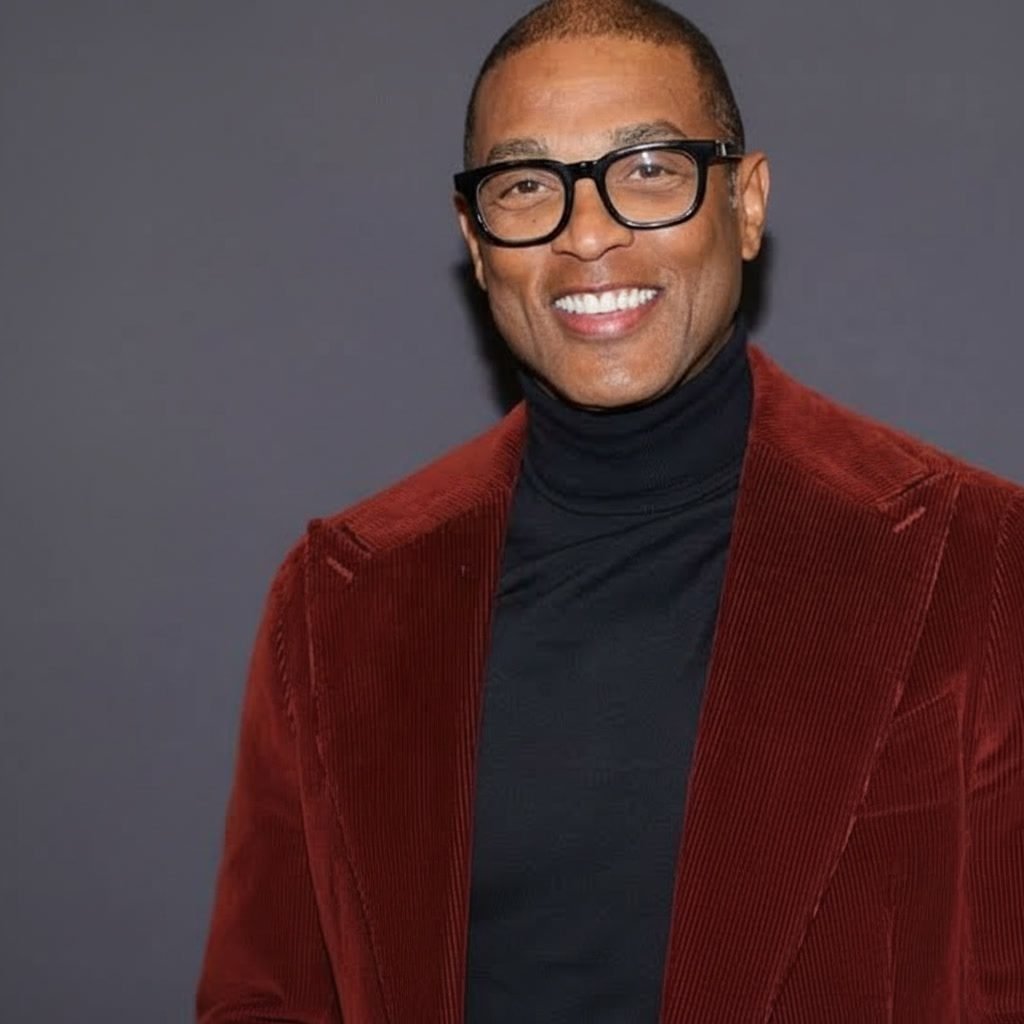
The Case Against Lemon
Lemon, a former CNN anchor, was indicted in January along with independent journalist Georgia Fort and several protesters. He has been charged with conspiring to violate someone’s constitutional rights and violating the FACE Act, which prohibits using force or threats to interfere with someone’s First Amendment right to practice religion.
The charges stem from a January 18 protest at Cities Church in St. Paul, where protesters demonstrated against a pastor serving as acting director of a local ICE office. Lemon was livestreaming the event for his online show. He has pleaded not guilty, insisting he was there to chronicle the protest, not participate.
The Defense Argument
Lemon’s team has aggressively pursued grand jury materials, citing “substantial evidence of grand-jury irregularities”. They have argued that Lemon is being illegally targeted for vindictive prosecution, pointing to public remarks by President Trump and administration officials directed at the journalist.
In recent filings, his attorneys cited statements from then-Attorney General Pam Bondi, who said, “I don’t care if you’re a failed CNN journalist, you have no right to do that in this country,” and from Harmeet Dhillon, the Justice Department’s civil rights division leader, who said Lemon was “on notice”.
The defense also notes that prosecutors’ initial attempt to charge Lemon through a criminal complaint was rejected by a magistrate judge for lack of probable cause. The DOJ then took the case to a grand jury after failing to get the ruling overturned.
A Pattern of Conduct
Judge Provinzino’s order is part of a larger trend. Federal judges in Illinois, Virginia, and Wyoming have either thrown out charges or seriously admonished prosecutors for grand jury missteps.
In Chicago, a judge dismissed cases against protesters after finding prosecutors had interacted with grand jurors outside proceedings and engaged in “vouching” — a practice where prosecutors present their own reputation to jurors, which is forbidden. The U.S. Attorney there later dropped more cases, ordered a historical review of grand jury transcripts, and launched reforms.
Lemon’s attorneys cited these cases in their own filings, arguing that recent examples of DOJ misconduct warrant the release of transcripts from the normally secretive proceedings in his case.
The Bottom Line
A federal judge has ordered the Justice Department to produce grand jury records in the case against journalist Don Lemon, signaling growing judicial skepticism of federal prosecutors’ conduct. The order came as Lemon’s attorneys argue he is being targeted for vindictive prosecution. The case is part of a broader pattern of judges questioning DOJ behavior in grand jury proceedings across the country.