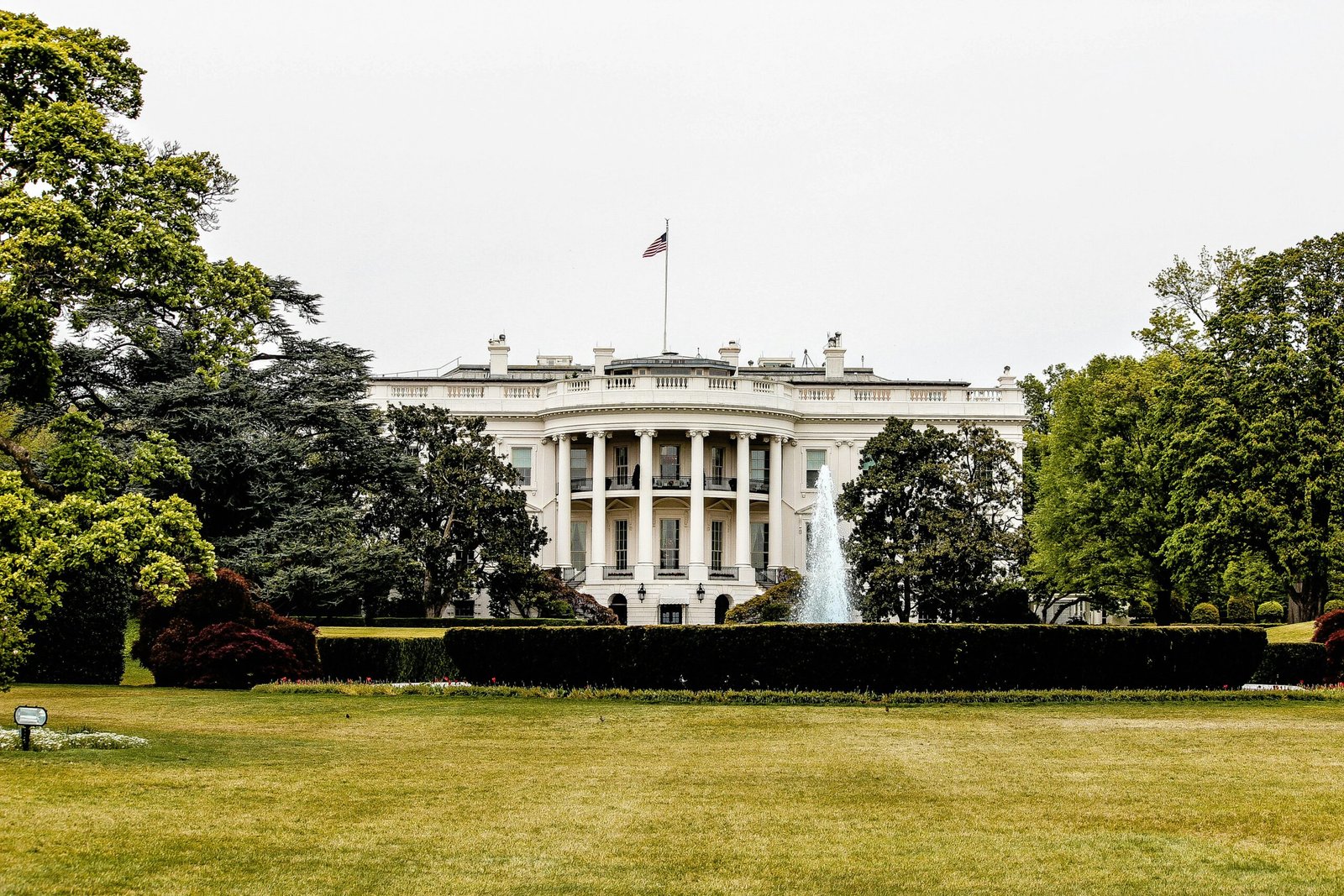

A federal judge on Friday officially rejected a last-minute lawsuit trying to stop a massive Ultimate Fighting Championship (UFC) event from happening on the White House grounds this weekend. U.S. District Judge Amit Mehta declined to grant emergency relief to two Washington, D.C., residents who filed a court order to halt the fights. The legal challenge failed just days before the historic outdoor mixed martial arts matches are scheduled to begin on the South Lawn.
The two local residents, Susan Douglas and Paul Romano, sued the government six days ago. They claimed that hosting a commercial UFC event at the White House violated strict rules regarding commercial events on White House property. They also argued that the massive, 92-foot-tall temporary stadium built for the fights, nicknamed “The Claw,” was constructed unlawfully.
However, Judge Mehta ruled that the plaintiffs could not prove they would suffer direct personal harm from the matches. Because of this, they lacked the legal standing required to sue.
Inside the $60 Million Setup
According to official White House court filings, the scale of the upcoming UFC event at the White House dubbed as “UFC Freedom 250” is unheard of for a presidential residence. The outdoor fights are part of the bigger celebrations for the 250th anniversary of the United States, landing directly on President Trump’s 80th birthday.
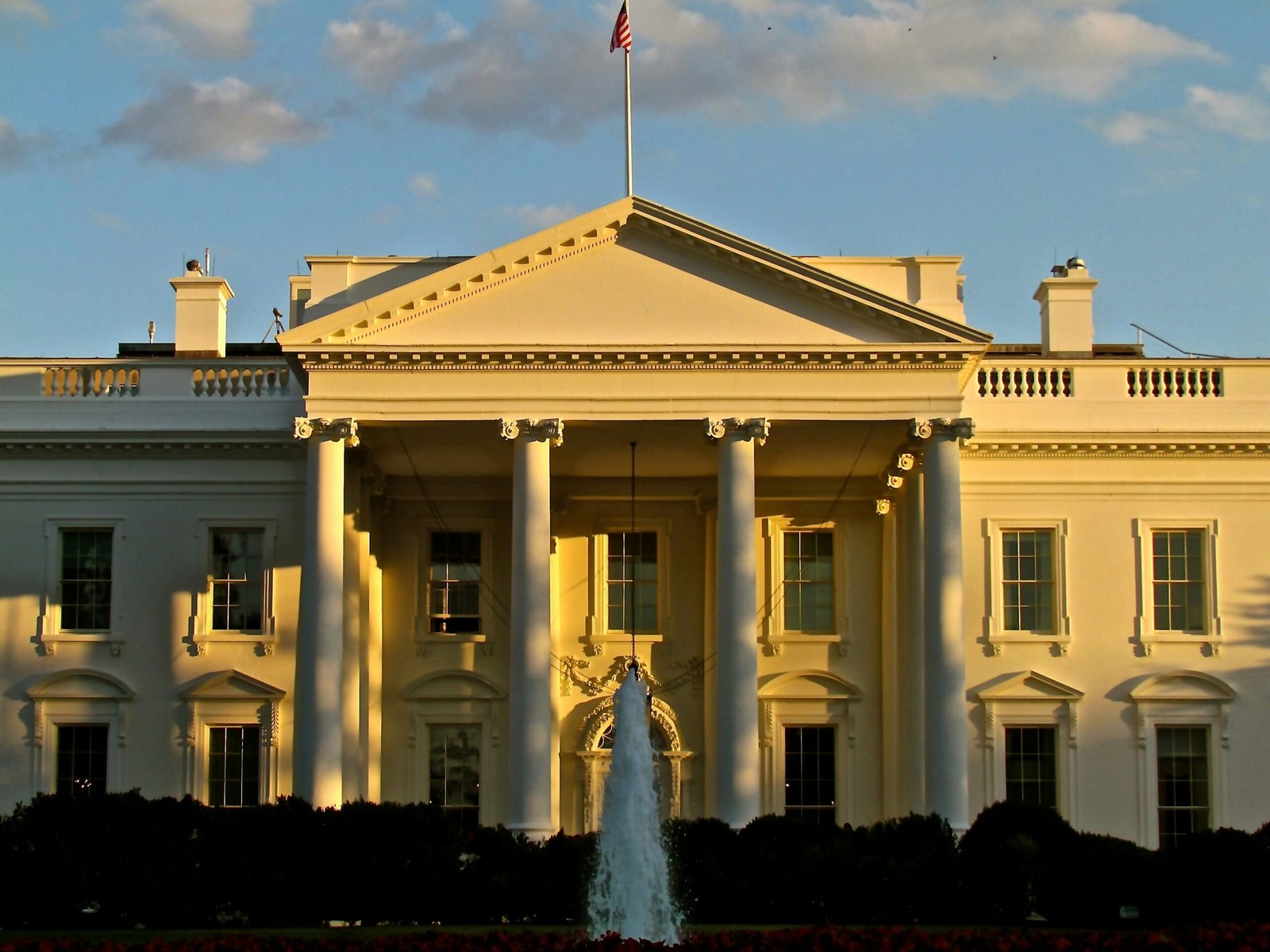
The logistics required to build the venue show just how much money and effort went into the weekend. Crews spent three full weeks building “The Claw,” a towering 92-foot structure designed to shelter the famous eight-sided fighting cage (the Octagon) on the South Lawn.
The White House hired over 700 independent subcontractors just to handle the heavy construction. Officials expect 4,000 guests to watch from the lawn, while another 12,000 spectators will watch via screens from the nearby Ellipse. The UFC and its business affiliates spent over $60 million to set up the event and prepare the international broadcast.
The weekend itinerary involves seven distinct fights on Sunday night, following a public fan festival, fighter weigh-ins, and a live concert by the Zac Brown Band on Saturday.
My Opinion
While Judge Mehta made the correct call under strict U.S. law, you can’t just sue the government because you dislike an event if it doesn’t cause you direct harm; the reality of this situation is wild. Turning the South Lawn into a pay-per-view prize-fighting ring feels very wrong.
If you look at how other countries treat their historical government seats, you rarely see this kind of commercial hijack. For comparison, the UK government would never let a commercial boxing promotion build a 90-foot steel cage inside the gardens of Buckingham Palace or 10 Downing Street for a prime minister’s birthday. France would never host cage fights at the Élysée Palace to sell streaming subscriptions.
By throwing out the case, the court has made it clear that everyday citizens can’t block private companies from setting up shop on executive property unless they can prove they are being personally harmed by it. While this controversial UFC event at the White House will move forward exactly as planned this Sunday, it opens up a much bigger conversation. Using the nation’s most historic home as a corporate sports venue might be perfectly legal, but it’s not publicly accepted.