The future of Liberia women’s health faces severe danger following Sweden’s decision to shut down its embassy operations and completely withdraw its long-standing foreign aid package. Since 2008, Sweden served as the country’s second-largest donor, pouring hundreds of millions of pounds into essential public projects, with a major focus on family planning, gender equality, and reproductive healthcare. This sudden withdrawal leaves local clinics and community organizations scrambling for resources just as previous funding cuts from other international partners have already created widespread shortages of basic medical supplies and contraceptives.
Deep Cuts Threaten Healthcare Access Across Liberia
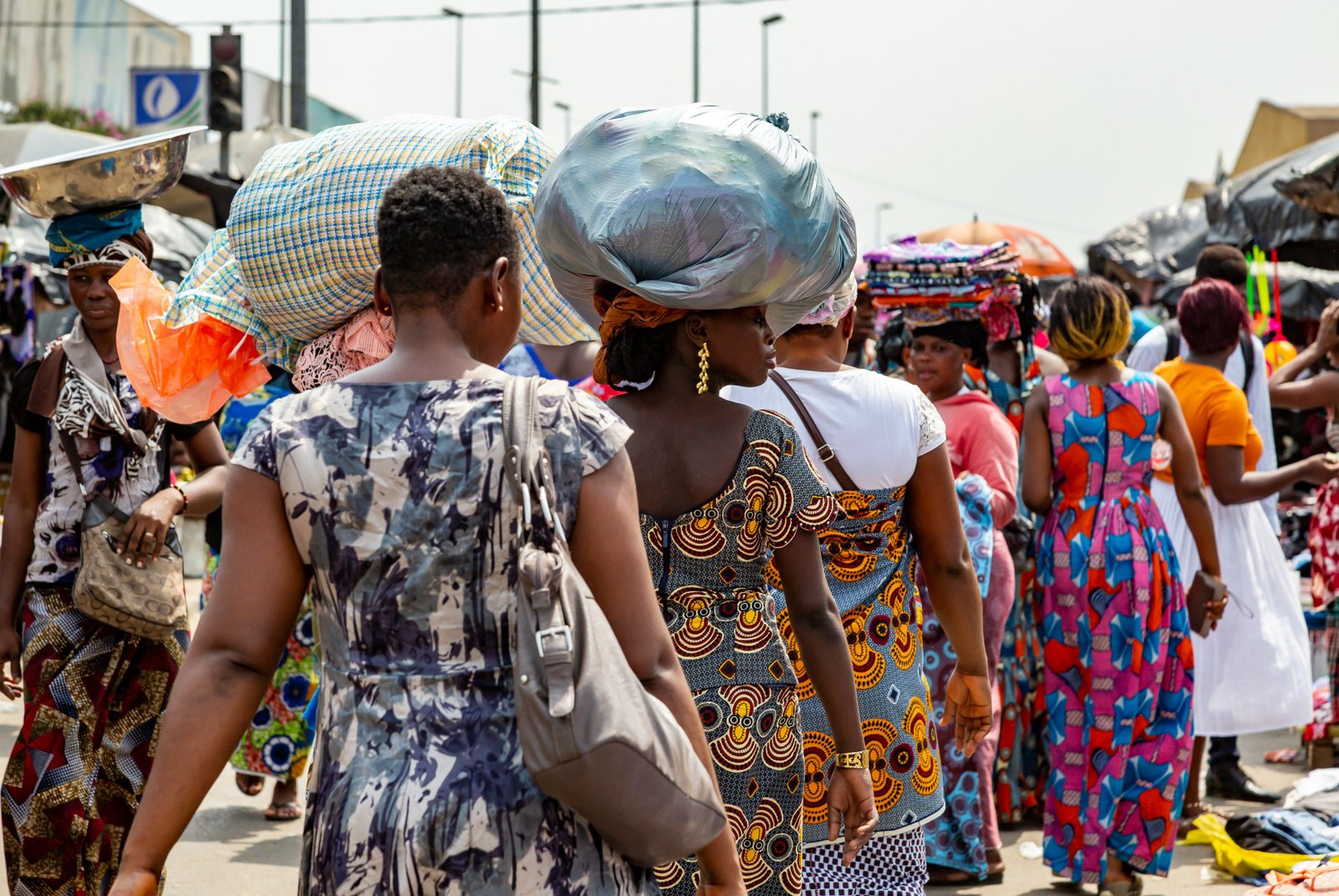
The loss of Swedish funding hits Liberia’s women’s health services at a dire moment for vulnerable communities. Local rights groups and healthcare providers warn that ending high-value, multi-year grants will immediately halt critical initiatives that combat gender-based violence, fund maternal care, and provide treatment for HIV. In rural clinics where women and young girls already face immense economic barriers, the absence of free family planning resources means higher risks of unintended pregnancies and unsafe medical procedures. Community organizers stress that taking away financial backing from these programs leaves thousands of women without a safe place to turn for basic care.
Rising Maternal Mortality and Legal Hurdles
The ongoing strain on Liberia women’s health is further complicated by severe legal restrictions on reproductive healthcare. Strict laws make obtaining legal abortions nearly impossible, leading to thousands of dangerous, illegal procedures each year that account for a high percentage of maternal deaths. Healthcare workers in facilities near Monrovia report treating numerous young women suffering from severe complications caused by desperation and lack of education. Rights advocates had been pushing for comprehensive public health legislation to expand sex education and improve medical access, but with key international allies stepping back, the fight to pass protective health laws faces major resistance from conservative lobby groups.
Opinion
It is bad to watch Western governments pull back support from countries that are actively trying to rebuild after decades of crisis. Sweden’s choice to redirect foreign aid away from West Africa might fit their current geopolitical priorities, but the real burden falls squarely on everyday people in Liberia who are just trying to access basic healthcare. You cannot spend over fifteen years building up vital health systems, promising partnership and progress, and then abruptly close the embassy doors and leave local communities stranded without alternative support.
What makes this situation even harder to swallow is the constant political circus surrounding international policy. World leaders frequently talk big about defending human rights and supporting developing nations, yet when budgets get tight, programs supporting women and children are always the first to get slashed.
Politicians like Donald Trump and European leaders love to focus on grand political statements, trade wars, or foreign military strikes, while ignoring the quiet, devastating impact their decisions have on human lives. Real lives, real health clinics, and the survival of thousands of women depend on consistent support.
African countries are blessed with massive natural wealth, fertile land, and a good population, yet many leaders prefer to leave their nations underdeveloped while relying on foreign hand-outs to fund basic healthcare. People in Asian or Eastern nations do not have two heads; they built their economies by taking responsibility, fighting corruption, and investing their own revenue into public infrastructure. Why should African nations remain dependent on Western taxpayers to buy basic contraceptives and run local hospitals?