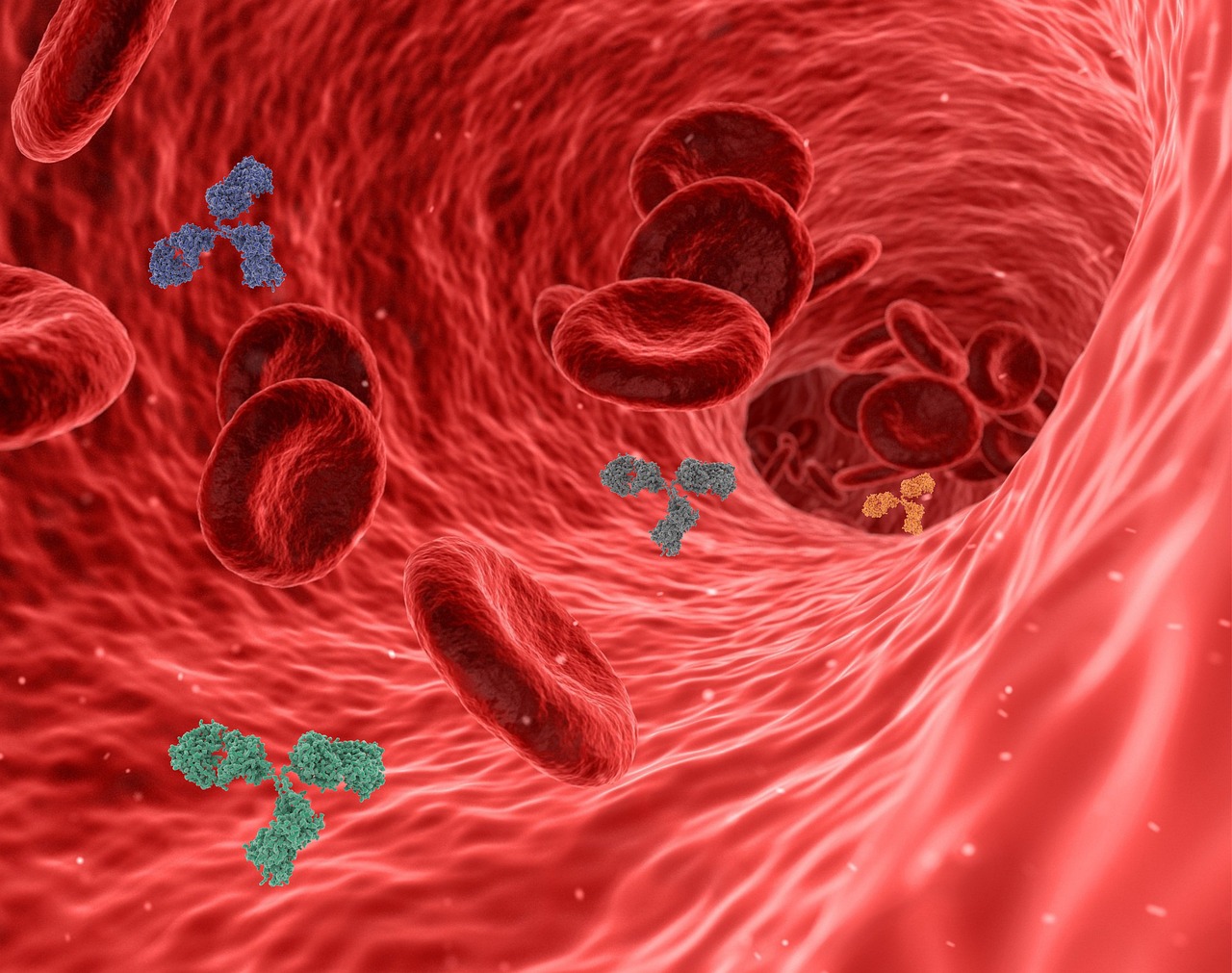

Day and night, the immune system works nonstop to protect you from invisible dangers. Even the finest defenders, however, occasionally make mistakes, and the results can be perplexing. In those moments, symptoms can feel like mysterious messages, like having unfamiliar body aches, tiredness, fever, etc., leaving you with a sense of unease and uncertainty. That is the case with aneurysms. Aneurysm is a bulge that forms in the wall of the blood vessels as a result of a weak spot. A perfect illustration for this is a water balloon that stretches as more water fills in. The wall of the balloon thins out and bulges outward.
In a similar way, when part of a blood vessel weakens, it can stretch out and form a balloon-like bulge that is filled with blood. Aneurysms come in different types and these types affect different parts of the body. Brain, chest, and limbs are affected by cerebral aneurysms, thoracic aortic aneurysms, abdominal aortic aneurysms, and peripheral aneurysms, respectively. The issue with aneurysms is that if they grow too large, they can burst, causing internal bleeding. Internal bleeding requires emergency care because this bleeding can quickly become life-threatening. Let us look at how to diagnose and treat aneurysm.
Diagnosing an Aneurysm
Physical Examination: Physical examination is often the first thing the doctor does when trying to diagnose a sickness. The doctor will generally feel around the area of concern, which is the abdomen. There may occasionally be a noticeable pulsing sensation if there is an aneurysm, which is a protrusion. In some cases, the doctor might use a stethoscope to listen for any odd blood flow sounds.
Imaging Test: This diagnostic process creates clear images of the inside of the body. Because of that, the doctor can spot the aneurysm. But there are different types of imaging tests the doctor can employ, such as:
- CT scan: In this exam, you will lie down while an x-ray scanner glides around you and takes images. A dye may be used to highlight blood vessels. The CT scan would produce a thorough cross-sectional image of the aneurysm’s size, location, and any changes that occurred over time.
- MRI (Magnetic Resonance Imaging): An MRI would use magnets and radio waves to take detailed pictures or images of the blood vessels and tissues. You would lie on a table that slides into a large machine. This test would allow the doctor to have a precise image of the aneurysm in the brain without radiation.
- Ultrasound: In an ultrasound, a technician would use a small device that sends sound waves into the body and then catches the echoes. This creates images on the screen. It is actually a non-invasive procedure that is quick and often used for abdominal aneurysms to check if there is any bulge in the blood vessel.
- Angiogram: For an angiogram, a small tube called a catheter is inserted into the blood vessel, usually around the groin area. Then a dye is injected to make the blood vessel visible in x-ray images, which would clearly show where the aneurysm is. This would allow the doctor to locate and measure aneurysms.
Treating an Aneurysm
The first thing that you need to know about the treatment of an aneurysm is that it all depends on the size, location, and the risk of the aneurysm busting. However, there are a few main options the doctor can pick from.
Observation: If the aneurysm is small and is not causing any symptoms, the doctors may suggest that you monitor it with regular imaging tests like CT scans or ultrasounds to check for the growth.
Furthermore, he would advise that you change certain things in your lifestyle like quitting smoking and also controlling your blood pressure in order to reduce the strain on the blood vessels.
Surgical Repair: However, when an aneurysm is large or poses a high risk of rupture, the doctor may recommend surgery to repair it. There are two kinds of surgery for this situation.
- Open surgery: In an open surgery, the doctor makes an incision near the aneurysm. For an abdominal aortic aneurysm, this would be near the belly, and for a thoracic aortic aneurysm, it would be in the chest. The surgeon then places a graft, a special tool to reinforce weak areas in the blood vessel.
What this graft does is to act like a patch that would help the blood vessel to withstand blood pressure. Open surgery is usually effective but requires a longer recovery time due to the large incision.
- Endovascular repair: Endovascular repair is a less invasive option. Instead of the doctor making a large incision, he would make a small cut which is usually around the groin area. Then he would guide a catheter (a thin tube) with a stent graft (a small mesh-like tube), to the aneurysm.
Once these are in place, the stent graft expands and straightens the weak area, allowing blood to flow safely. This method has a shorter recovery time as it is less invasive, but it may not be suitable for all types of aneurysms.
Medication: While medications don’t directly treat aneurysms, they can however help you manage the conditions so that they don’t make the aneurysm worse. For example, the doctor might recommend a blood pressure medication to reduce the stress on the blood vessel walls and a cholesterol-lowering drug to help prevent fatty buildup which can weaken the vessels. Together, this medication can help reduce the risk of an aneurysm growing or rupturing.
Bottom Line
Doctors use different tests, like physical exams and imaging (scans) to find out where the aneurysm is and how big it has grown. Depending on the aneurysm’s size and how dangerous it seems, treatment can range from just watching it with regular check-ups to having surgery.
In some cases, if the aneurysm is small, doctors might only recommend lifestyle changes, like controlling blood pressure. But if it’s larger and likely to burst, surgery might be needed. There are two types of surgeries: open surgery (more invasive) and endovascular repair (less invasive). Medications might also be used to keep blood pressure and cholesterol levels in check, which can lower the risk of an aneurysm growing or rupturing.