The Ebola outbreak in the Democratic Republic of Congo has surpassed 10,000 confirmed cases, with nearly half of those infected dying as health authorities struggle to contain the disease across several African countries.
Data released by Congo’s Ministry of Health on Tuesday showed that 10,060 people had tested positive for the virus, making the outbreak the fastest-spreading and deadliest Ebola epidemic in the country’s history.
Declared in May, the outbreak is caused by the rare Bundibugyo strain of Ebola, for which there is currently no approved vaccine or specific treatment. Efforts to contain the virus have been hampered by armed conflict, insecurity, poor road networks and hostility towards health workers driven by mistrust and misinformation.
The challenges have made it difficult for response teams to persuade residents to report symptoms promptly, seek medical attention and cooperate with containment measures, particularly in communities that have experienced years of violence and repeated disease outbreaks.
The current epidemic has spread much faster than the West African Ebola outbreak of 2014 to 2016, which remains the largest and deadliest on record, with more than 28,000 cases and over 11,000 deaths. According to the figures provided, Congo’s outbreak has recorded at least three times as many cases and deaths within a comparable period after its declaration.
The disease has also crossed more borders than previous Ebola outbreaks, with cases reported across three African regions. Five countries, including Congo, Uganda, Kenya, Nigeria and France, have recorded cases, although Uganda and France currently have no active infections.
Weak disease surveillance has further complicated the response, as several initial infections were identified only after patients had developed symptoms or travelled to other locations.
Within Congo, the virus has expanded from three health zones when the outbreak was declared to 66 zones across eight provinces. Health workers have warned that some treatment facilities are struggling to cope with rising patient numbers, while mistrust among residents and labour disputes involving frontline workers continue to undermine the response.
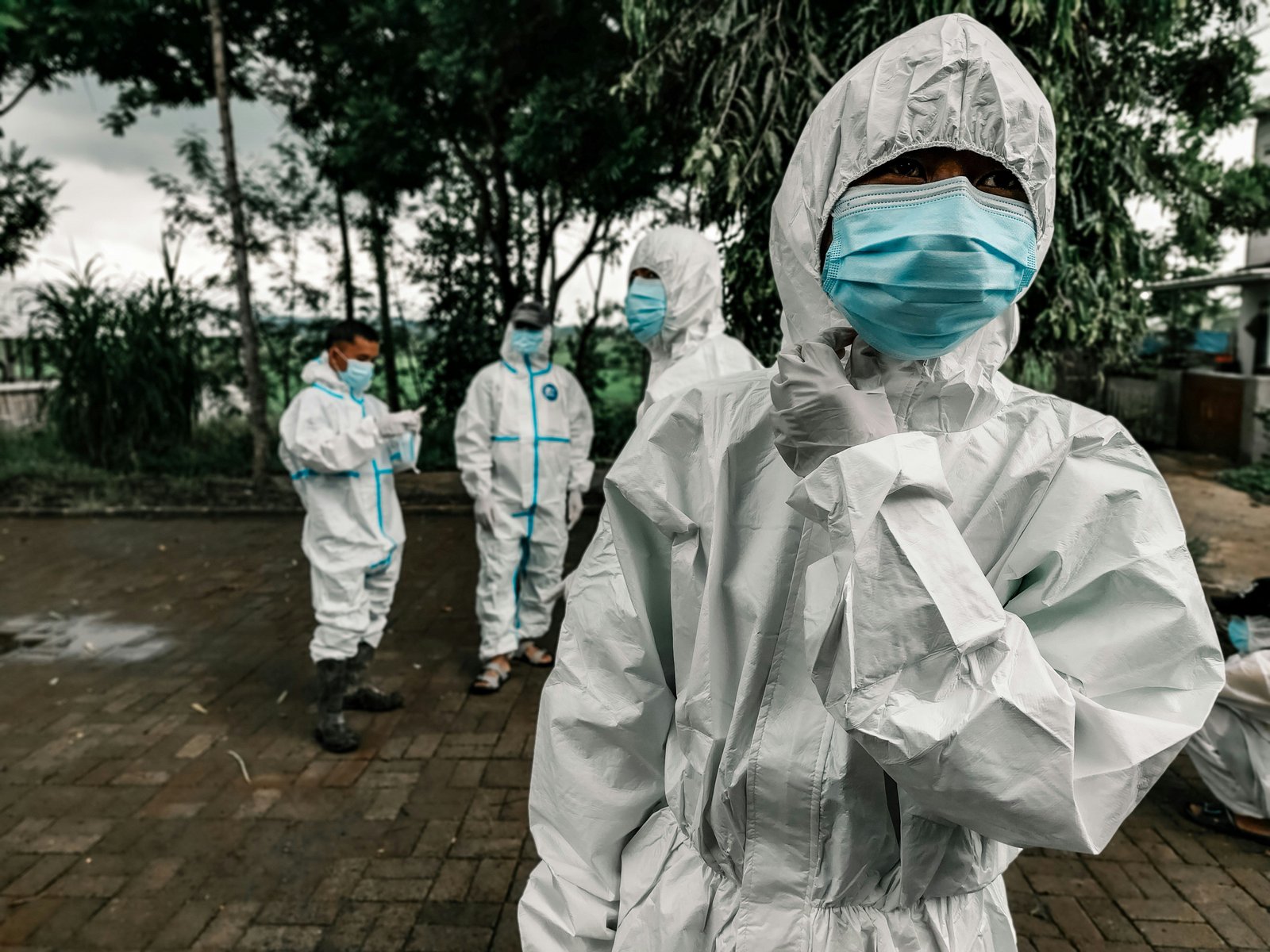
Sephora Bgosi, a member of the Ebola burial team in Ituri province, the outbreak’s epicentre, said some residents remained unaware of the danger despite being directly exposed to the virus.
“Some people still don’t seem to understand the seriousness of the situation even though they are directly exposed to the risk,” Bgosi said, adding that Ebola was extremely dangerous and could be fatal.
Figures from the outbreak show that about 80 per cent of confirmed cases are still emerging from people who were not previously identified as contacts of infected individuals. This suggests that transmission is continuing through chains that health authorities have yet to trace.
The Africa Centres for Disease Control and Prevention has said that at least 95 per cent of cases would need to come from known contacts before officials could consider the outbreak largely under control.
Another concern is that at least half of the recorded deaths have occurred among people who were never admitted to treatment centres. Health officials see this as an indication that many infected residents are not reporting their symptoms or seeking care early enough.
Response teams are also dealing with shortages of basic resources, including vehicles, as well as difficulties convincing families to surrender sick relatives for treatment or allow safe burials after deaths linked to Ebola.
Last week, surveillance and community engagement workers in the Nia Nia health zone of Ituri province embarked on a strike over unpaid bonuses dating back to late August. Similar disputes have been reported in other affected communities, adding pressure to an already strained response system.
Violence against health personnel has remained another serious obstacle. On Saturday, a nurse was killed and another health worker seriously injured while responding to an Ebola alert in Bafwasende, Tshopo province.
The epidemic is also affecting other essential health services in a country where medical facilities are already underfunded and overstretched. Resources and attention have shifted away from other public health emergencies, including cholera.
Pregnant women are increasingly avoiding hospitals because they fear contracting Ebola or being isolated from their families if infected. In some provinces, maternal deaths have doubled since the outbreak began.
Routine childhood vaccinations have also been disrupted, while school closures have interrupted education in communities where millions of children are already out of school. Families affected by the outbreak are facing additional trauma and stigma, while the wider crisis is worsening the economic difficulties of households already struggling to survive.