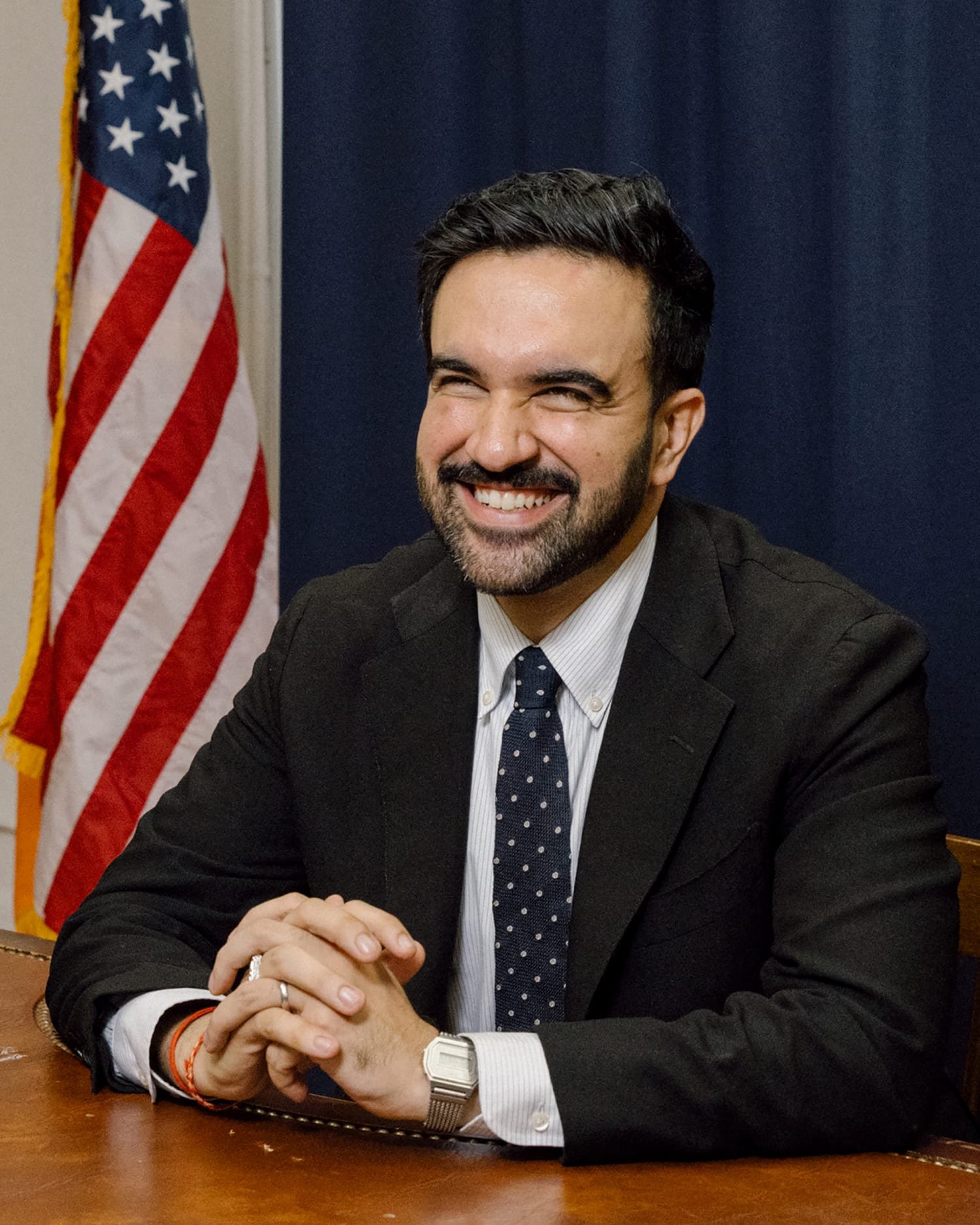
New York City Mayor Zohran Mamdani has provided fresh details about his administration’s proposal to establish five city-owned grocery stores across the city’s five boroughs, amid growing criticism over the initiative.
Speaking at a press conference on Monday, Mamdani said the stores are intended to make essential food items more affordable by offering discounted prices on selected products.
The city has confirmed that the first outlet will be built in Hunts Point in the Bronx and is expected to open by the end of next year, while a second store is planned for East Harlem by 2029.
The project is expected to cost about $70 million, including $30 million for the construction of the East Harlem location. While the city will own the stores and cover rent and property taxes, private operators will manage daily operations under contracts requiring them to pass savings on to customers.
Mamdani said the stores would offer a 30 per cent discount on a basket of essential goods, including fresh produce, meat, seafood, milk, bread and about 20 other staple items.
“These items will be discounted by 30 percent compared to ‘typical retail prices’ with ‘no exceptions, no gimmicks,’” he said.
The mayor explained that the discount level reflects the rise in food prices since 2019.
Addressing concerns that the stores could hurt neighbourhood businesses, Mamdani argued they would not directly compete with local bodegas because they would not sell products such as hot food or cigarettes, which generate significant revenue for many small retailers.
Despite the assurances, the proposal has continued to attract criticism from economists and policy analysts.
Daniel Muñoz, a professor of philosophy and economics, questioned the effectiveness of the plan, arguing that publicly owned grocery stores are an inefficient way to help low-income households.
“Notice that anyone can shop there—there is no means testing,” Muñoz wrote.
“By contrast, food stamps are designed to help the poor, and they don’t cause long lines or put more efficient grocers out of business.”
Mamdani defended government involvement in food distribution, pointing to former New York City Mayor Fiorello La Guardia’s establishment of municipal markets as an example of public intervention.
“He did so because he believed in a simple definition of the task of government to make people’s lives better,” Mamdani said.
Critics, however, argue that La Guardia’s municipal markets were created largely to relocate street vendors into permanent indoor spaces rather than to operate government-run grocery stores.
They also warned that if the new stores struggle financially or affect private retailers, taxpayers could ultimately bear the cost because the city would continue funding the programme.