

Manchester United’s decision to sack Ruben Amorim on Monday has once more left the club lost, an unresolved identity crisis at Old Trafford suddenly back on the agenda as questions are once again raised over what it stands for, who is in charge and what it wants to be. The acrimonious departure of Amorim, after a tumultuous 14-month tenure that saw him clash over tactics and relationships with the hierarchy, is just another manifestation of the deeper structural problems still eroding United’s long-term stability.
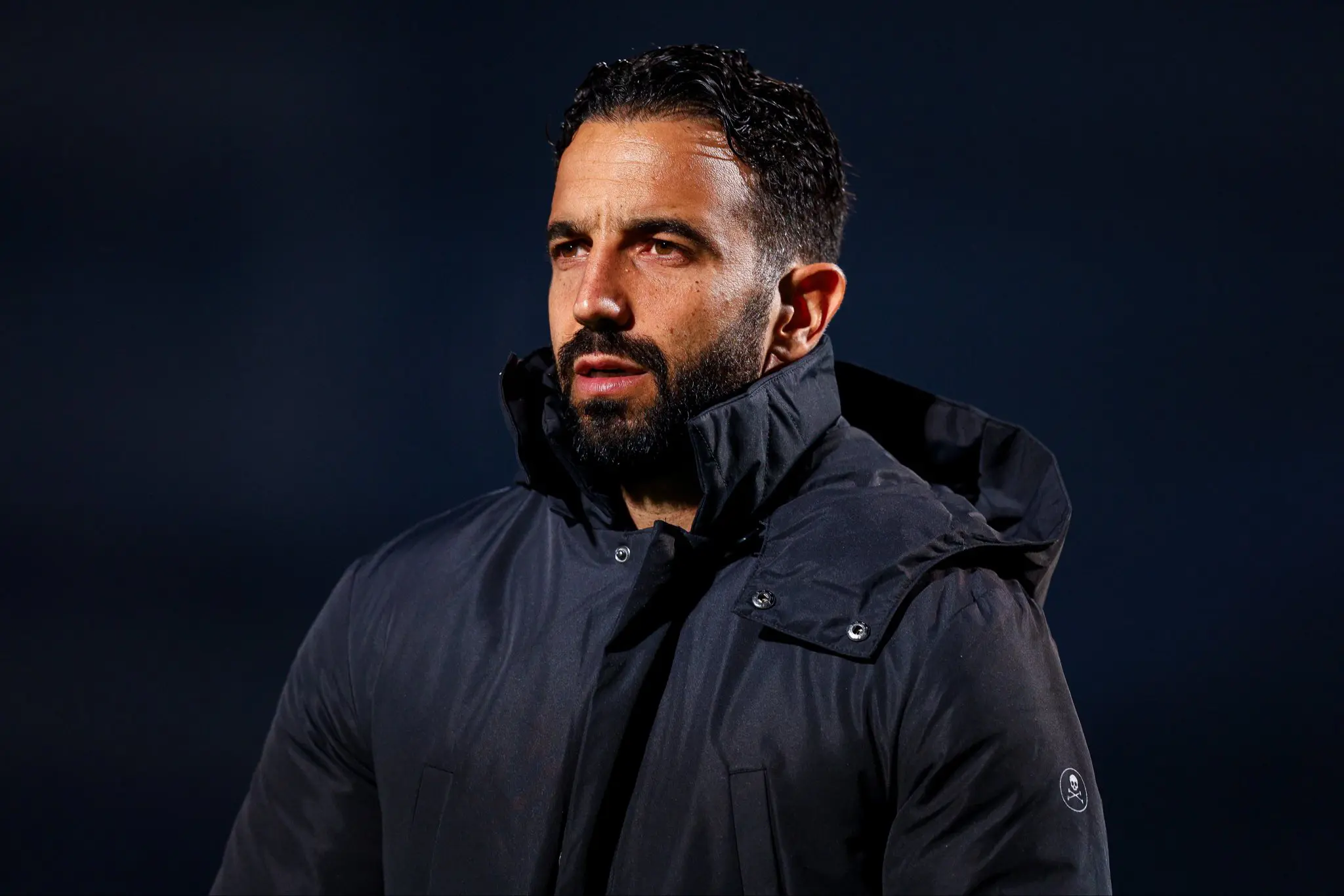
With Darren Fletcher installed on an interim basis, thoughts are already turning to who takes over next. Predictably, there have also been fresh calls for United to hire someone who gets the club, a phrase usually shouted by those in favour of an ex-player or legend taking the reins. On the face of it, the argument is attractive. At a few clubs in world football are identity, heritage and standards are held so dearly to the principles of how Manchester United are conducted; former players certainly know what it represents to wear the famous red shirt.
However, this argument deserves scrutiny. The same ex-United players being touted as potential saviours often have second careers preaching from the studio sofas, regularly slating current players, managers and club decisions. Their input is usually not nuanced and rarely helpful or constructive, simply adding to pressure instead of content. In any case, history suggests that being a legend does not automatically produce competent coaches.
Others have attempted management without success, at United or elsewhere, and failed either in handling men or tactics, or else the never-ending need to be coached themselves. Respect for the past cannot trump proven capability, clear vision, quite apart from expertise at par with present times.
To be clear, United’s error in the appointment of Amorim wasn’t just a tactical one; it was philosophical. The club appointed a coach whose dogmatic system and worldview were at odds with United tradition, squad profile and expectations. The next will need to provide the short leap.
The ideal candidate might not be a sentimental figurehead or loud critic from the punditry box, but someone who understands what the badge represents and can coalesce the playing staff, fanbase and higher-ups behind him. It is not simply the symbolism of a legend that Manchester United require, but a figurehead who truly appreciates what it means to pull on the red shirt of Manchester United, and knows how to sustain such success.