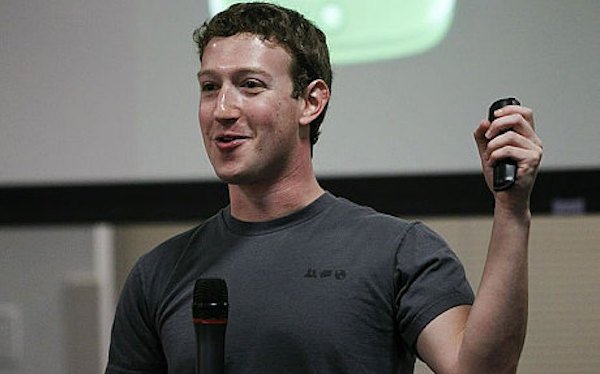
Meta CEO Mark Zuckerberg conceded at an internal town hall this week that the company’s sweeping restructuring had not delivered the expected results, admitting that AI agents had not progressed as quickly as anticipated and that top executives had “miscalculated” the timing of the changes.
The restructuring, announced earlier this year, included laying off about 8,000 employees — roughly 10% of Meta’s global workforce — and reassigning 7,000 staffers to AI-focused teams. The moves were intended to fund Meta’s massive AI infrastructure investments, projected to reach $145 billion in 2026, but have sparked employee pushback and morale concerns.
Zuckerberg admitted that the “trajectory of agentic development over at least the last four months hasn’t really accelerated in the way that we expected.” He added that while executives were “super optimistic” about tools like Claude Code from Anthropic earlier this year, the company’s bets on AI agents had not yet paid off. Despite the setbacks, Zuckerberg told employees he expects Meta to begin seeing more significant benefits from its AI investments within three to six months.
Slow AI Progress
The CEO’s admission comes as Meta faces growing internal discontent over the rapid pace of change. Meta’s Chief Technology Officer Andrew Bosworth also addressed concerns about the company’s controversial mouse-tracking software, which had been paused after reports of sensitive data exposure. Bosworth said a review indicated that no employee data was included in AI training. If reinstated, the program will operate on an opt-in basis, a reversal from April when US employees were told there was no way to opt out.
“For people who are comfortable, that’s great; they can contribute to this kind of great human survey. To people who are not, it is not an issue,” Bosworth said.
Chaotic Restructuring
Bosworth also admitted in a memo to employees that the company did an “atrocious” job rolling out its new Applied AI division, according to a report by Wired. The unit, formed in March this year with 6,500 engineers and product managers, was meant to accelerate Meta’s generative AI projects. Instead, workers described the transition as chaotic, with some calling it “a gulag.”
Bosworth added that the company undermined trust by failing to explain the vision clearly and by destabilising teams through rapid restructuring. He pledged to rekindle a more cheerful internal culture by improving communication, career growth opportunities, and even office perks.
Culture Reboot
Managers will be capped at 20 direct reports, employees will have access to “AI coaching” tools, and Meta will invest in microkitchens, travel budgets, and social events to boost morale. “I hope we can rekindle the best of the culture we joined,” Bosworth wrote.
The Bottom Line
Meta CEO Mark Zuckerberg admitted that the company’s AI agents had not progressed as quickly as expected and that executives had “miscalculated” the timing of changes. The admission came after Meta laid off 8,000 employees and reassigned 7,000 to AI roles as part of a restructuring to fund $145 billion in AI infrastructure investments. Meta’s CTO also acknowledged the rollout of the new AI division was “atrocious” and pledged to improve internal culture.