The 38-year-old has been picked as the referee for Thursday’s quarter-final tie at Education City Stadium and will be the first Englishman ever to be assigned seven matches in one tournament. But the 2026 showpiece in New Jersey is out of the question unless Argentina are eliminated.
It’s standard FIFA practice that officials cannot take part in any games involving their nation. However, an Argentine rule means English refs are also ruled out of clashes involving their South American opponents – due to the continuing sensitive Falklands dispute between England and Argentina.
Because both nations are on the same side of the World Cup bracket, whichever side makes it to the final will preclude Oliver – and another English colleague, Anthony Taylor – from the 2026 event. In 2022, it was Anthony Taylor whose hopes were ended when Argentina went all the way to the final.
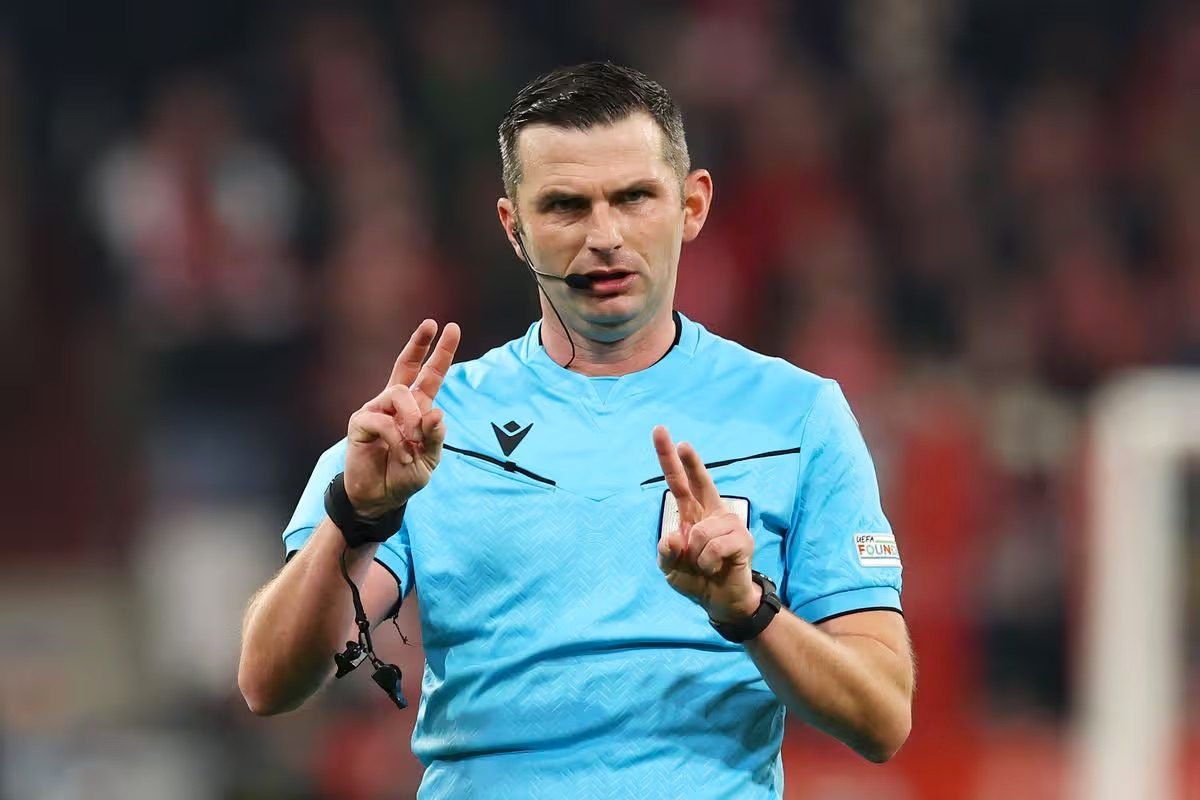
The final decision as to which referees get to officiate specific matches falls to FIFA head of referees, Pierluigi Collina, with a mixture of performances, neutral politics, and geopolitics considered. But one-time Premier League official Graham Scott has hit back at the policy.
“The game is moving forward, and referees should be chosen for their skill, their ability, and on their performances,” the ex-official told BBC Sport.
“FIFA must move beyond historical political differences and ensure world-class referees don’t miss out on World Cup finals because of something completely unconnected to football.”