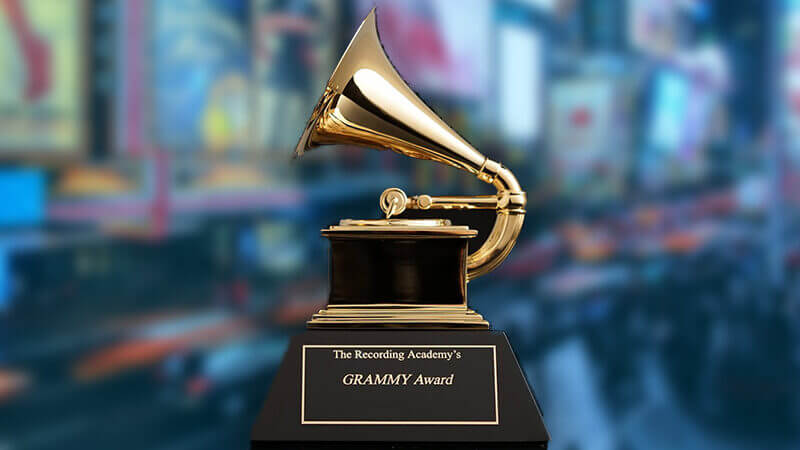

Former First Lady Michelle Obama lands third Grammy nomination after earning a spot in the Best Audio Book, Narration, and Storytelling Recording category for the audio edition of her 2025 book, The Look. Announced during Monday’s livestreamed nomination reveal for the 69th Annual Grammy Awards, the nod puts Obama in contention for a third career Grammy win, which would break her longstanding two-to-two trophy tie with former President Barack Obama. The ceremony is scheduled to take place in Los Angeles on February 7, 2027.
A Competitive Spoken-Word Field and Past Grammy Wins
In the Best Audio Book, Narration, and Storytelling Recording race, Obama faces a star-studded lineup of fellow storytellers, musicians, and performers. Her fellow nominees include actor Michael J. Fox for Future Boy, the late country music icon Dolly Parton for Star of the Show: My Life on Stage, Beatles legend Paul McCartney alongside Morgan Neville for The Man on the Run, rapper Lil Jon for Remix Meditation, and actor Tim Curry for Vagabond: A Memoir.

Obama has a strong track record in the spoken-word category, having won Grammys for the audiobooks of her memoir Becoming in 2020 and The Light We Carry in 2024. Barack Obama previously earned two Grammy wins in the Best Spoken Word Album category in 2006 and 2008. Her connection to the music awards goes beyond her own recordings; she also made a surprise appearance on the Grammy stage in 2019 to celebrate the power of music and storytelling across every voice.
What a Win Would Mean for the Obamas
While The Look centers on style, fashion, and personal expression rather than traditional political memoir, its inclusion among the 2027 nominees underscores how audiobook narration has become a reliable awards lane for high-profile figures. If Michelle Obama lands third Grammy nomination success at the February ceremony, she will edge ahead of her husband in Grammy hardware and claim a third trophy across three nominations.
My View
It is always impressive when public figures turn books and personal stories into cultural moments, yet awards shows often lean heavily on famous names while lesser-known narrators and independent creators fight for attention.
Michelle Obama has clearly connected with millions of listeners through her calm, relatable delivery on past audiobooks, and her track record shows that audience demand is real. Still, when major cultural prizes routinely spotlight politicians, celebrities, and media veterans alongside working artists, it can make the playing field feel tilted toward built-in fame rather than pure craft.
Whether she takes home another golden gramophone in February or not, the real measure of any spoken-word recording is whether it speaks honestly to listeners and whether major awards leave enough room for fresh voices who do not already command global headlines.